Energy Conservation and Safety: Essential Workplace Practices
 by
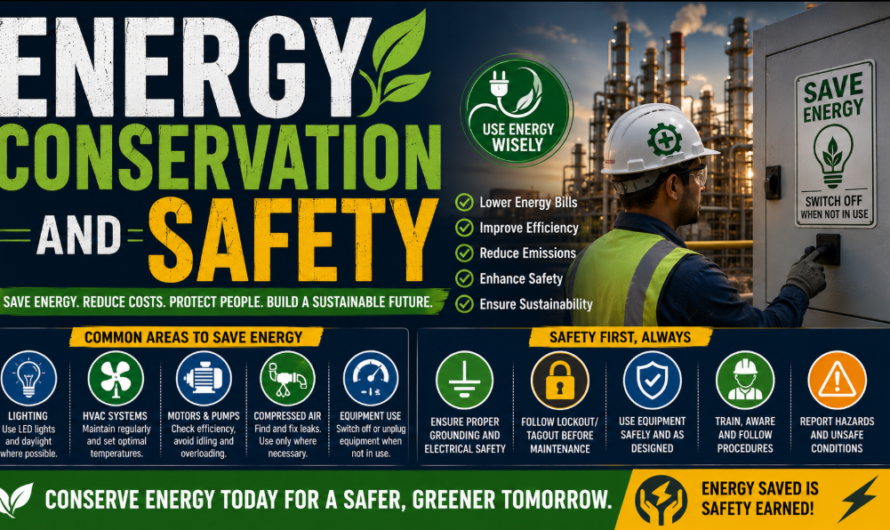
Learn how energy conservation and workplace safety go hand in hand. Discover practical ways to reduce energy consumption, prevent hazards, improve efficiency, and build a safer workplace.
EHS content HUB
Learn how energy conservation and workplace safety go hand in hand. Discover practical ways to reduce energy consumption, prevent hazards, improve efficiency, and build a safer workplace.
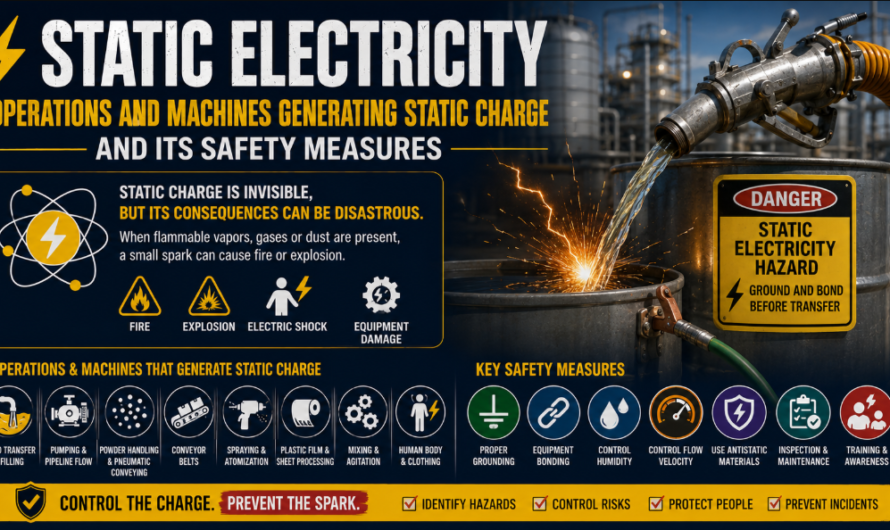
Learn how static electricity is generated by industrial operations and machines, its fire and explosion hazards, and practical safety measures including grounding, bonding and humidity control.
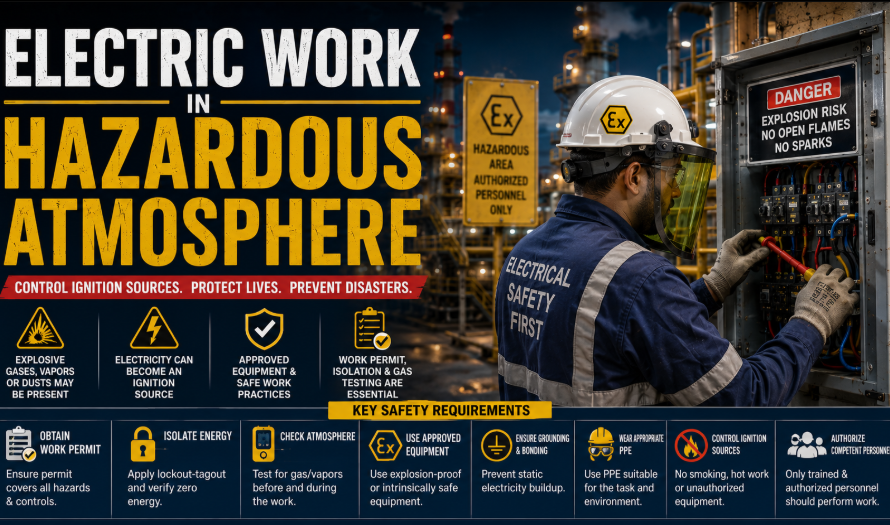
Learn essential safety precautions for electrical work in hazardous atmospheres, including explosive gases, vapors, dust, hazardous-area equipment, permits, isolation, PPE, and EHS controls.
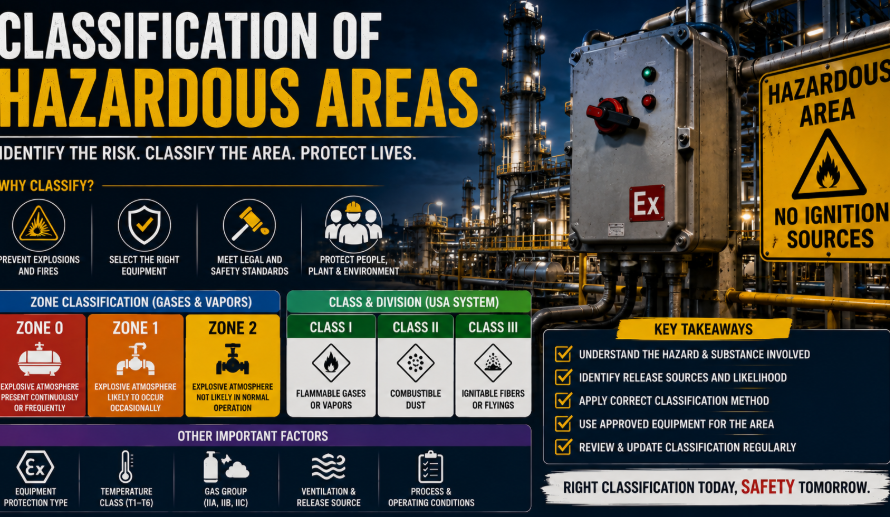
Understand hazardous area classification, including Zone 0, 1, 2, Class I, II and III, gas groups, temperature classes, and electrical safety requirements for hazardous locations.
Learn the key differences between smoke tubes and gas detection tubes, their working principles, applications, advantages, limitations, and how to choose the right tool for industrial safety inspections.