 by
by Physiological Effects of Heat on Factory Workers
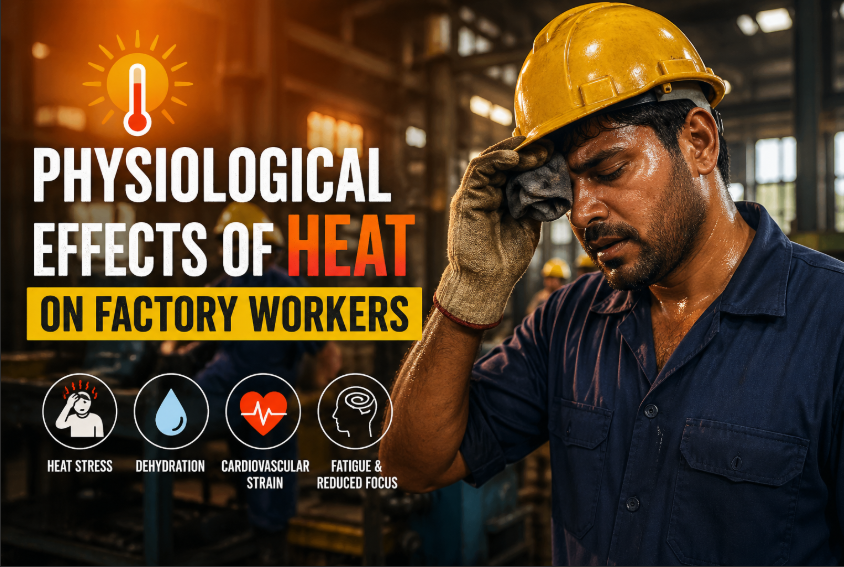
When the temperature rises, most of us reach for a glass of cold water or switch on the air conditioner. But for factory workers, especially those working in high-temperature environments like foundries, textile mills, or manufacturing plants, escaping the heat isn’t always an option. For them, heat is not just uncomfortable—it’s a serious occupational hazard that silently affects their body, productivity, and long-term health.
As climate patterns shift and heatwaves become more frequent, the issue is no longer seasonal—it’s structural. Understanding how heat affects the human body, particularly in industrial settings, is critical for employers, policymakers, and workers themselves.
Let’s take a deeper look at what really happens inside the body when factory workers are exposed to excessive heat—and why it matters more than ever.
Why Factory Workers Are at Higher Risk
Factory environments often combine multiple heat sources: machinery, enclosed spaces, poor ventilation, and sometimes direct exposure to outdoor heat. Unlike office settings, workers may also be required to wear protective gear, which can trap heat and restrict airflow.
The result? A perfect storm for heat stress.
Workers in industries like metal processing, glass manufacturing, construction material production, and even food processing frequently operate in temperatures that push the body beyond its comfort zone. Add long working hours and physically demanding tasks, and the body’s natural cooling mechanisms can quickly become overwhelmed.
How the Human Body Regulates Heat
To understand the physiological effects, it helps to first know how the body handles heat.
The human body maintains an internal temperature of around 37°C (98.6°F). When exposed to heat, it activates cooling mechanisms such as:
- Sweating
- Increased blood flow to the skin
- Faster breathing
These processes help dissipate heat. However, in extreme conditions—especially when humidity is high—these mechanisms can fail. Sweat may not evaporate effectively, and the body begins to retain heat.
This is where the real danger begins.
Immediate Physiological Effects of Heat Exposure
1. Dehydration
One of the earliest and most common effects is dehydration. Workers lose large amounts of fluid through sweating, often without realizing how much they’ve lost.
What happens in the body:
- Reduced blood volume
- Increased heart rate
- Thickened blood, making circulation harder
Even mild dehydration can lead to fatigue, headaches, and reduced concentration—raising the risk of workplace accidents.
2. Heat Exhaustion
If dehydration continues, the body enters a more serious state known as heat exhaustion.
Symptoms include:
- Heavy sweating
- Weakness or dizziness
- Nausea or vomiting
- Muscle cramps
At this stage, the body is struggling to maintain its temperature. Without intervention, this condition can escalate quickly.
3. Heat Stroke (A Medical Emergency)
Heat stroke is the most severe form of heat-related illness and can be life-threatening.
Physiological breakdown:
- Body temperature rises above 40°C (104°F)
- Sweating may stop completely
- Brain function becomes impaired
This can lead to confusion, seizures, organ failure, and even death if not treated immediately.
4. Electrolyte Imbalance
Sweating doesn’t just remove water—it also depletes essential minerals like sodium and potassium.
Impact on the body:
- Muscle cramps
- Irregular heartbeat
- Nervous system disruption
Over time, repeated electrolyte imbalances can weaken overall physical resilience.
Long-Term Health Effects of Heat Exposure
While immediate symptoms are concerning, the long-term effects are equally serious and often overlooked.
1. Chronic Kidney Issues
Repeated dehydration forces the kidneys to work harder. Over time, this can lead to:
- Kidney stones
- Reduced kidney function
- Chronic kidney disease
This has been increasingly observed in workers exposed to prolonged heat conditions.
2. Cardiovascular Strain
The heart works overtime in hot environments to pump blood to the skin for cooling.
Long-term impact:
- Increased risk of heart disease
- Elevated blood pressure
- Higher chances of heat-triggered cardiac events
3. Reduced Cognitive Function
Heat doesn’t just affect the body—it affects the brain too.
Workers exposed to high temperatures may experience:
- Slower reaction times
- Poor decision-making
- Reduced attention span
This not only affects productivity but also significantly increases the risk of accidents.
4. Decline in Physical Performance
Continuous exposure to heat leads to fatigue and muscle weakness. Over time, workers may find it harder to maintain the same level of physical output.
This creates a cycle where:
- Productivity drops
- Errors increase
- Injury risks rise
Psychological Effects of Heat Stress
Heat doesn’t stop at physical discomfort—it also impacts mental well-being.
Workers often report:
- Irritability
- Mood swings
- Increased stress levels
In high-pressure factory environments, this can lead to conflicts, reduced morale, and burnout.
Impact on Workplace Productivity
From an organizational perspective, heat exposure directly affects output.
Common consequences include:
- Slower work pace
- Increased absenteeism
- Higher error rates
- More workplace accidents
Studies have shown that productivity can drop significantly when temperatures rise beyond comfortable thresholds. For industries operating on tight margins, this becomes both a human and economic concern.
Who Is Most Vulnerable?
Not all workers are affected equally. Some groups are at higher risk:
- New workers not yet acclimatized
- Older employees
- Individuals with pre-existing health conditions
- Workers performing heavy physical labor
- Those wearing non-breathable protective gear
Recognizing these vulnerabilities is key to implementing effective safety measures.
Practical Prevention Strategies
The good news? Most heat-related risks are preventable with the right approach.
1. Hydration Is Non-Negotiable
Workers should have easy access to clean drinking water at all times.
Best practices:
- Drink water every 15–20 minutes
- Avoid waiting until you feel thirsty
- Include electrolyte solutions when necessary
2. Work-Rest Cycles
Employers should structure shifts to include regular breaks, especially during peak heat hours.
Short, frequent breaks in cooler areas can significantly reduce heat stress.
3. Improved Ventilation and Cooling
Factories should invest in:
- Proper ventilation systems
- Exhaust fans
- Cooling stations or shaded rest areas
Even small improvements in airflow can make a big difference.
4. Heat Acclimatization Programs
New workers should gradually build up their tolerance to heat over time rather than being exposed to full workloads immediately.
5. Appropriate Clothing and Gear
Lightweight, breathable fabrics can help reduce heat retention. Where protective gear is necessary, cooling alternatives should be explored.
6. Training and Awareness
Workers and supervisors should be trained to recognize early signs of heat-related illnesses.
Awareness can save lives.
The Role of Employers and Policy Makers
Ensuring worker safety isn’t just a recommendation—it’s a responsibility.
Employers must:
- Conduct regular heat risk assessments
- Provide protective infrastructure
- Enforce safety protocols
At the policy level, governments need to:
- Set enforceable heat exposure limits
- Mandate workplace safety standards
- Promote climate-resilient labor practices
The Growing Challenge of Climate Change
With global temperatures on the rise, heat exposure is becoming a year-round issue rather than a seasonal one.
For factory workers, this means:
- Longer exposure periods
- Increased frequency of extreme heat days
- Greater cumulative health risks
Addressing this challenge requires long-term thinking, investment, and systemic change.
Final Thoughts
Heat exposure in factory settings is more than just an inconvenience—it’s a serious health risk with both immediate and long-term consequences. From dehydration and heat stroke to chronic illnesses and reduced productivity, the physiological effects are wide-ranging and deeply impactful.
But this is not an unsolvable problem.
With awareness, proper planning, and commitment from both employers and policymakers, safer working environments are entirely achievable. Protecting workers from heat isn’t just about compliance—it’s about dignity, health, and sustainability in a warming world.
As temperatures continue to climb, the question is no longer whether we should act—but how quickly we can make meaningful changes.
If you found this article helpful, consider sharing it to spread awareness about workplace heat safety. Small steps can lead to big changes.
🔁 Readers also enjoyed these blog posts:
- Safety Management’s Role: The Unsung Hero Behind Every Successful Organization
- Safety Management and Its Responsibilities: Protecting People, Preventing Hazards, and Promoting a Culture of Care
- Benchmarking for Safety Performance: A Key to Continuous Improvement
“Start Your Website Journey Today – Exclusive Hostinger Discounts!”

Turn Any Idea into Viral,
Jaw-Dropping AI Videos in Seconds!