 by
by Is Heat Stress Affected Only by Climatic Factors? The Truth Behind the Statement
Heat stress has become one of the most discussed public health concerns in recent years. Rising global temperatures, frequent heatwaves, and changing weather patterns have made extreme heat a common challenge across many regions of the world. During these discussions, a statement often appears:
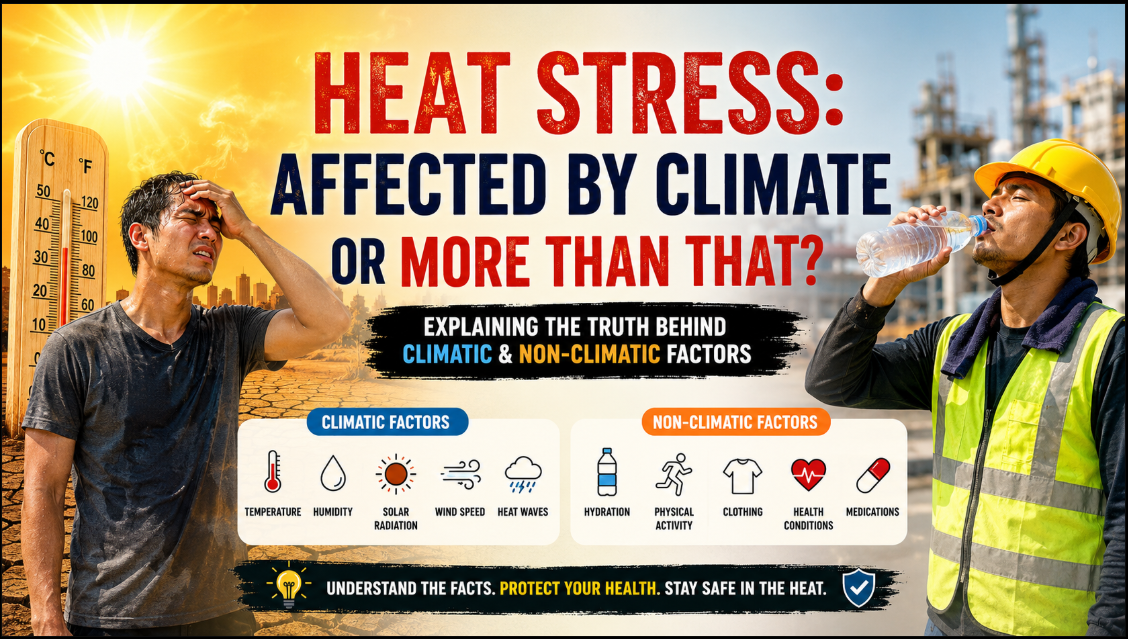
“Heat stress is affected by climatic factors but not affected by non-climatic factors.”
At first glance, this statement may seem logical. After all, heat stress is closely associated with high temperatures and hot weather. But is this statement actually true?
The short answer is no.
Heat stress is influenced by both climatic and non-climatic factors. Ignoring the role of non-climatic factors presents an incomplete understanding of how heat affects the human body and why some individuals experience severe heat-related illnesses while others remain relatively unaffected under the same weather conditions.
In this article, we’ll explore the science behind heat stress, examine the role of climatic and non-climatic factors, debunk common myths, and discuss practical ways to reduce the risk of heat-related illnesses.
What Is Heat Stress?
Heat stress occurs when the human body absorbs or generates more heat than it can release. Under normal circumstances, our bodies regulate temperature through sweating and increased blood flow to the skin.
However, when environmental conditions or personal factors prevent efficient cooling, body temperature rises. This can lead to a range of health issues, including:
- Heat cramps
- Heat rash
- Heat exhaustion
- Heat syncope (fainting)
- Heat stroke (a life-threatening emergency)
Heat stress is especially dangerous because it can affect anyone—not just outdoor workers or athletes.
Understanding Climatic Factors
Climatic factors refer to weather and environmental conditions that directly influence heat exposure.
These include:
1. Air Temperature
Higher temperatures increase the body’s heat load.
For example, a day with temperatures above 40°C places significantly more stress on the body’s cooling mechanisms than a day at 28°C.
2. Humidity
Humidity is one of the most important contributors to heat stress.
Sweat cools the body by evaporating.
When humidity is high:
- Sweat evaporates more slowly.
- The body retains more heat.
- Cooling becomes less effective.
This is why 35°C with 80% humidity often feels much hotter than 40°C with dry air.
3. Solar Radiation
Direct sunlight increases the amount of heat absorbed by the body.
People working outdoors under direct sun experience much greater heat stress compared to those working in the shade.
4. Wind Speed
Wind enhances evaporation and removes warm air from around the skin.
Low wind speeds reduce cooling efficiency, increasing heat stress.
5. Heat Waves
Extended periods of unusually high temperatures significantly increase health risks.
Heat waves are associated with:
- Increased hospital admissions
- Higher mortality rates
- Dehydration
- Cardiovascular complications
6. Climate Change
Climate change has increased:
- Frequency of heat waves
- Duration of extreme heat events
- Night-time temperatures
- Heat-related illnesses worldwide
This makes climatic factors an increasingly important contributor to heat stress.
What Are Non-Climatic Factors?
Non-climatic factors are personal, occupational, environmental, and social conditions that influence how the body responds to heat.
These factors often determine whether someone experiences mild discomfort or a medical emergency under the same weather conditions.
Let’s examine them in detail.
1. Age
Age has a major influence on heat tolerance.
Older Adults
Older adults often have:
- Reduced sweating ability
- Slower circulation
- Chronic illnesses
- Certain medications affecting body temperature
As a result, they are much more vulnerable to heat stress.
Children
Young children:
- Produce more metabolic heat during activity.
- Sweat less efficiently.
- Depend on adults for hydration.
This makes them particularly susceptible during hot weather.
2. Physical Activity
The harder the body works, the more internal heat it generates.
Examples include:
- Construction work
- Farming
- Mining
- Sports
- Military training
Even on moderately warm days, intense physical activity can trigger heat stress.
3. Clothing
Clothing significantly affects heat exchange.
Heavy protective clothing:
- Traps body heat
- Prevents sweat evaporation
- Reduces airflow
Examples include:
- Firefighter suits
- Industrial PPE
- Chemical protection suits
Workers wearing protective equipment are at higher risk even in moderate temperatures.
4. Hydration Status
Water is essential for sweating.
Dehydration:
- Reduces sweat production
- Thickens blood
- Increases heart strain
- Raises body temperature
Even mild dehydration can impair heat tolerance.
5. Medical Conditions
Many diseases reduce the body’s ability to regulate heat.
Examples include:
- Diabetes
- Heart disease
- Kidney disease
- Obesity
- Respiratory illness
Individuals with chronic illnesses require additional precautions during hot weather.
6. Medications
Certain medicines interfere with heat regulation.
These include:
- Diuretics
- Antihistamines
- Beta blockers
- Antidepressants
- Antipsychotics
Some medications reduce sweating, while others impair circulation or fluid balance.
7. Fitness Level
Physically fit individuals generally tolerate heat better.
Regular exercise improves:
- Sweating efficiency
- Cardiovascular function
- Heat adaptation
However, even elite athletes can develop heat stroke under extreme conditions.
8. Acclimatization
People gradually adapt to hot environments over one to two weeks.
Heat acclimatization improves:
- Sweat production
- Cooling efficiency
- Heart function
Workers or travelers entering hot climates suddenly face a much higher risk of heat stress.
9. Workplace Conditions
Indoor environments can become extremely hot due to:
- Furnaces
- Boilers
- Manufacturing equipment
- Poor ventilation
Many indoor workers experience severe heat stress despite being protected from outdoor weather.
10. Urban Heat Island Effect
Cities often remain much hotter than surrounding rural areas because of:
- Concrete
- Asphalt
- Buildings
- Limited vegetation
This phenomenon increases heat exposure for millions of people.
Why the Statement Is Incorrect
Let’s revisit the original statement:
“Heat stress is affected by climatic factors but not affected by non-climatic factors.”
This statement is false.
Scientific research consistently demonstrates that heat stress depends on the interaction between environmental conditions and individual characteristics.
Consider this example:
Two workers perform the same task outdoors.
Worker A:
- 25 years old
- Well hydrated
- Heat acclimatized
- Physically fit
Worker B:
- 60 years old
- Diabetic
- Slightly dehydrated
- Wearing heavy protective clothing
Although both experience identical weather conditions, Worker B faces a much higher risk of heat stress.
The difference is caused by non-climatic factors.
Real-Life Examples
Construction Workers
Construction workers often experience heat stress because they:
- Perform heavy physical labor.
- Wear protective equipment.
- Work in direct sunlight.
- May have limited access to cooling breaks.
Both climate and work conditions contribute.
Office Workers
An office employee working in an air-conditioned building may remain comfortable despite extremely high outdoor temperatures.
Here, the non-climatic environment reduces heat stress.
Elderly People Living Alone
Older adults without fans or air conditioning may experience dangerous heat stress indoors, even when outdoor temperatures are lower than during major heat waves.
Housing conditions become an important non-climatic factor.
Athletes
Athletes frequently develop heat illness during competitions because intense exercise produces enormous internal heat.
Again, physical activity—not just weather—is responsible.
Health Effects of Heat Stress
Heat stress can affect nearly every organ system.
Common symptoms include:
- Heavy sweating
- Fatigue
- Muscle cramps
- Headache
- Dizziness
- Nausea
- Rapid heartbeat
- Confusion
If untreated, heat stress may progress to heat stroke.
Heat stroke is a medical emergency characterized by:
- Body temperature above 40°C
- Altered mental status
- Loss of consciousness
- Organ failure
Immediate medical attention is essential.
Who Is Most at Risk?
Some populations are naturally more vulnerable.
High-risk groups include:
- Older adults
- Infants
- Pregnant women
- Outdoor workers
- Athletes
- Individuals with chronic illnesses
- People taking certain medications
- People without access to cooling
Recognizing these vulnerable groups is essential for preventing heat-related deaths.
How to Prevent Heat Stress
Fortunately, most heat-related illnesses are preventable.
Stay Hydrated
Drink water regularly, even if you don’t feel thirsty.
Avoid excessive alcohol and sugary beverages during hot weather.
Dress Appropriately
Wear:
- Lightweight clothing
- Loose-fitting fabrics
- Light-colored garments
These improve airflow and reduce heat absorption.
Schedule Outdoor Activities Wisely
Whenever possible:
- Work during early morning.
- Avoid peak afternoon temperatures.
- Take frequent breaks.
Use Shade and Cooling
Whenever possible:
- Stay indoors during extreme heat.
- Use fans or air conditioning.
- Rest in shaded areas.
Acclimatize Gradually
Workers beginning jobs in hot environments should gradually increase workload over several days.
This allows the body to adapt safely.
Watch for Warning Signs
Never ignore:
- Severe dizziness
- Confusion
- Persistent vomiting
- Loss of consciousness
Seek emergency medical help immediately.
The Role of Employers and Governments
Preventing heat stress is not solely an individual’s responsibility.
Employers should provide:
- Drinking water
- Rest breaks
- Shade
- Heat safety training
- Work-rest schedules
Governments can help through:
- Heatwave warning systems
- Public awareness campaigns
- Urban greening
- Better workplace regulations
- Cooling centers during extreme weather
Collective action saves lives.
Common Myths About Heat Stress
Myth 1: Only Hot Weather Causes Heat Stress
False.
Heavy physical work, poor ventilation, protective clothing, and dehydration can also trigger heat stress.
Myth 2: Young Healthy People Cannot Develop Heat Stroke
False.
Athletes and military personnel frequently experience severe heat illness.
Myth 3: Sweating Means You’re Safe
False.
Heavy sweating may indicate the body is struggling to cool itself.
Myth 4: Heat Stress Only Happens Outdoors
False.
Factories, kitchens, warehouses, and poorly ventilated buildings can become dangerously hot.
Final Verdict: Is the Statement True?
The statement:
“Heat stress is affected by climatic factors but not affected by non-climatic factors.”
is false.
Heat stress is the result of a complex interaction between environmental conditions and individual characteristics.
Climatic factors such as temperature, humidity, wind speed, solar radiation, and climate change certainly play a major role. However, non-climatic factors—including age, hydration, health conditions, medications, physical activity, clothing, workplace environment, fitness level, and acclimatization—are equally important in determining how the body responds to heat.
Understanding both categories of factors allows individuals, employers, healthcare professionals, and policymakers to develop better strategies for preventing heat-related illnesses and protecting vulnerable populations.
As global temperatures continue to rise, recognizing the full range of influences on heat stress is more important than ever. Knowledge, preparation, and preventive action remain our best defenses against the growing risks posed by extreme heat.
Frequently Asked Questions (FAQs)
Is heat stress caused only by high temperature?
No. While high temperature is a major factor, humidity, physical activity, hydration, clothing, medical conditions, and workplace environment also influence heat stress.
Can heat stress occur indoors?
Yes. Poorly ventilated factories, kitchens, warehouses, and homes without cooling can become hot enough to cause heat stress.
Who is most vulnerable to heat stress?
Older adults, young children, pregnant women, outdoor workers, athletes, people with chronic illnesses, and those taking certain medications face a higher risk.
How can I reduce my risk of heat stress?
Stay hydrated, wear lightweight clothing, avoid strenuous activity during peak heat, take breaks in shaded or cool areas, and watch for symptoms such as dizziness, confusion, or excessive fatigue.
Is climate change increasing heat stress?
Yes. Climate change has contributed to more frequent, longer, and more intense heatwaves, increasing the likelihood of heat-related illnesses worldwide.
🔁 Readers also enjoyed these blog posts:
- Safety Management’s Role: The Unsung Hero Behind Every Successful Organization
- Safety Management and Its Responsibilities: Protecting People, Preventing Hazards, and Promoting a Culture of Care
- Benchmarking for Safety Performance: A Key to Continuous Improvement
“Start Your Website Journey Today – Exclusive Hostinger Discounts!”

Turn Any Idea into Viral,
Jaw-Dropping AI Videos in Seconds!