 by
by Introduction: When Heat Becomes a Hazard
Working in high-temperature environments isn’t just uncomfortable—it can be downright dangerous. Whether you’re dealing with furnaces, welding operations, foundries, or hot oil systems, the risks go far beyond a little sweat. Heat exposure can lead to burns, dehydration, fatigue, and even life-threatening conditions like heat stroke.
That’s where Personal Protective Equipment (PPE) comes in—not just as a requirement, but as a lifeline.
In this guide, we’ll break down everything you need to know about PPE for hot processes. From choosing the right gear to understanding how to use it effectively, you’ll walk away with practical knowledge that could make all the difference on the job.
Understanding Hot Work Environments
Before diving into PPE, it’s important to understand what qualifies as a “hot process.” These typically include:
- Welding and cutting operations
- Furnace and kiln work
- Metal casting and forging
- Glass manufacturing
- Boiler operations
- Chemical processing involving high temperatures
These environments expose workers to:
- Radiant heat
- Direct flames or sparks
- Molten materials
- Hot surfaces
- Heated gases and vapors
Without proper protection, even brief exposure can cause serious injuries.
Why PPE Is Non-Negotiable in Hot Processes
Let’s be clear—PPE isn’t optional in these environments. It acts as your last line of defense when engineering controls and administrative measures aren’t enough.
Here’s what PPE helps prevent:
- Severe burns and skin damage
- Eye injuries from sparks or infrared radiation
- Respiratory issues from hot fumes
- Heat stress and exhaustion
- Long-term health complications
But not all PPE is created equal. Using the wrong type can be just as dangerous as using none at all.
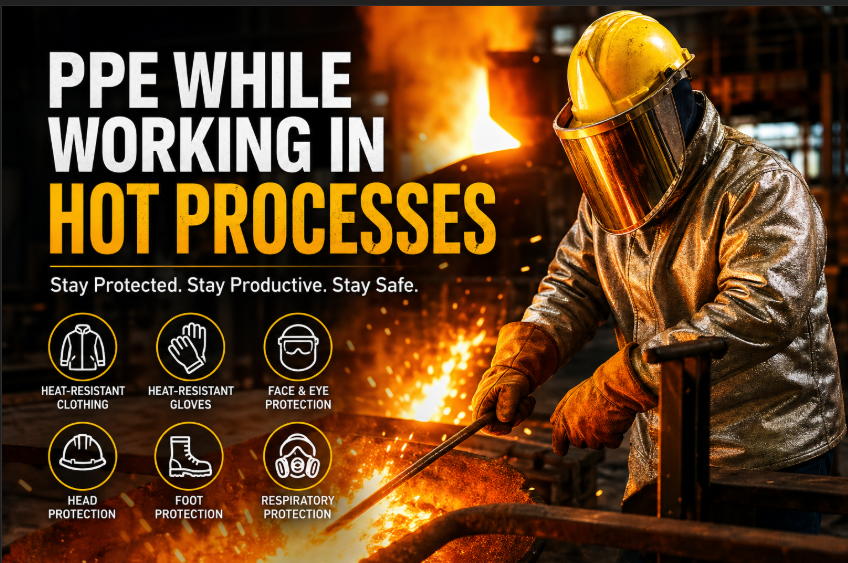
Key Types of PPE for Hot Work Environments
1. Heat-Resistant Clothing
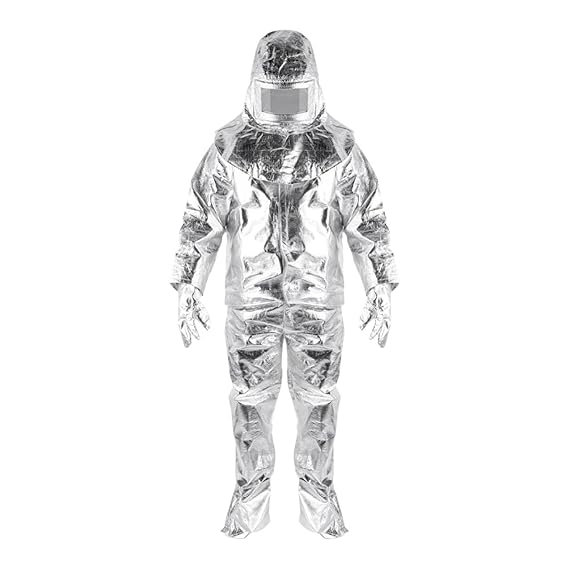
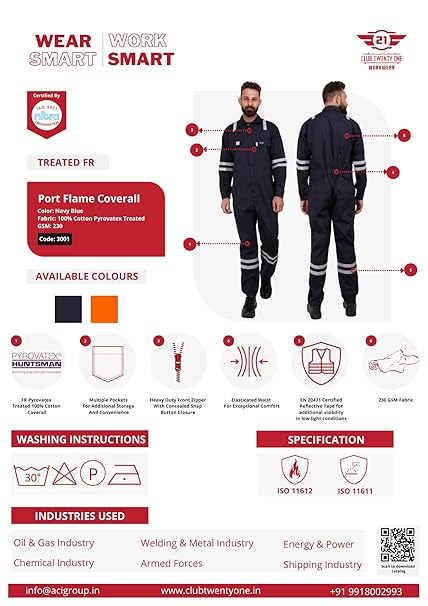
This is your first layer of protection. Heat-resistant or flame-retardant (FR) clothing is designed to withstand high temperatures and prevent ignition.
Common materials include:
- Aluminized fabrics (reflect radiant heat)
- Aramid fibers (like Nomex and Kevlar)
- Treated cotton for moderate heat exposure
Pro Tip: Avoid synthetic materials like polyester—they can melt and stick to the skin.
2. Hand Protection: Heat-Resistant Gloves
Your hands are often closest to the heat source, making gloves essential.
Types of gloves:
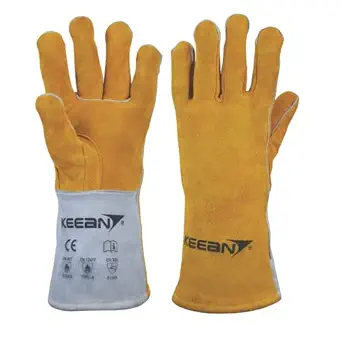
- Leather gloves for welding
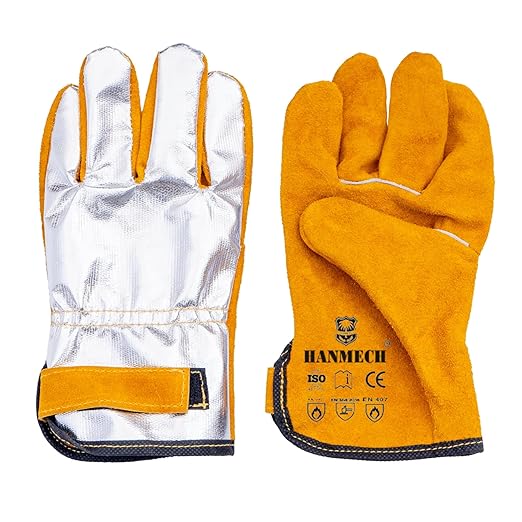
- Aluminized gloves for extreme heat
- Insulated gloves for handling hot objects
Make sure they offer both heat resistance and dexterity—you don’t want to sacrifice control for protection.
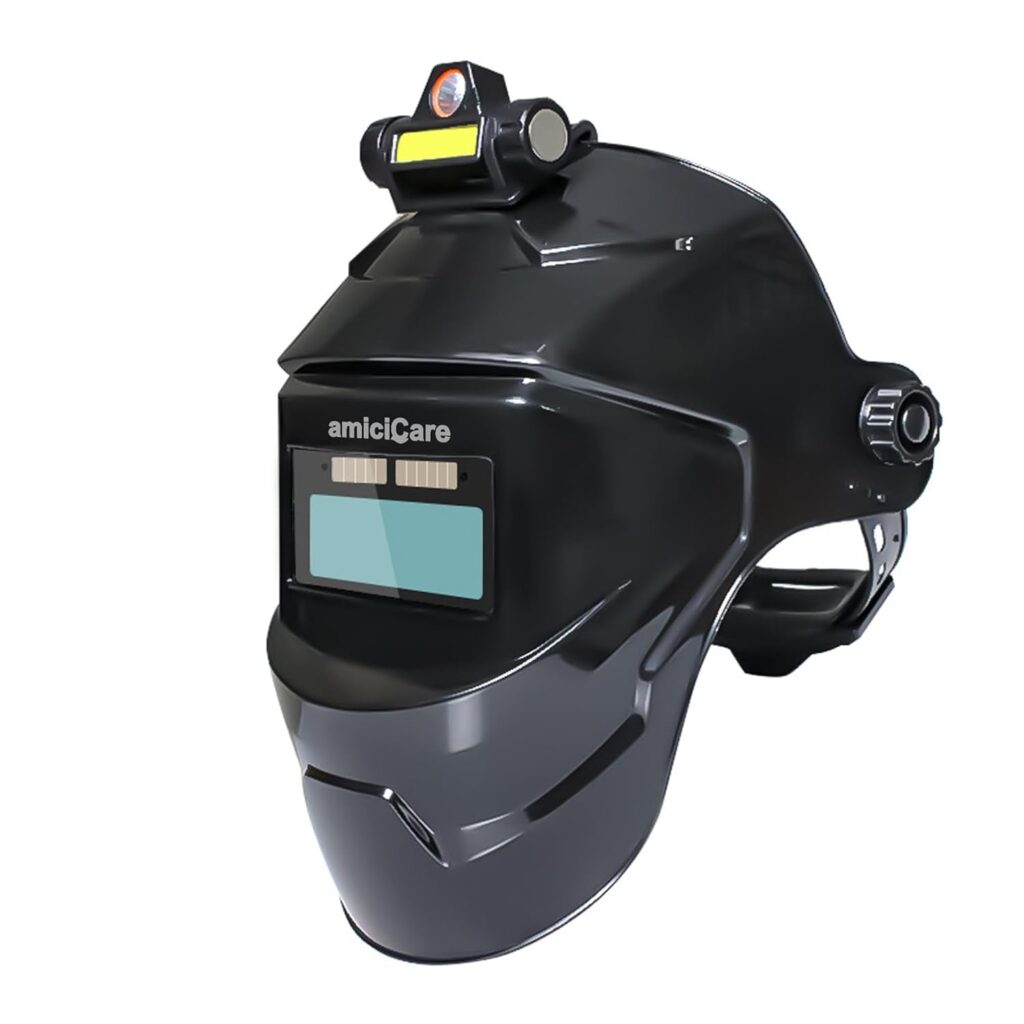
3. Eye and Face Protection
Hot processes often involve sparks, molten splashes, and intense light.
Essential gear includes:
- Face shields with heat-reflective coatings
- Safety goggles with IR/UV protection
- Welding helmets with auto-darkening lenses
Eye injuries can happen in seconds—never skip this step.


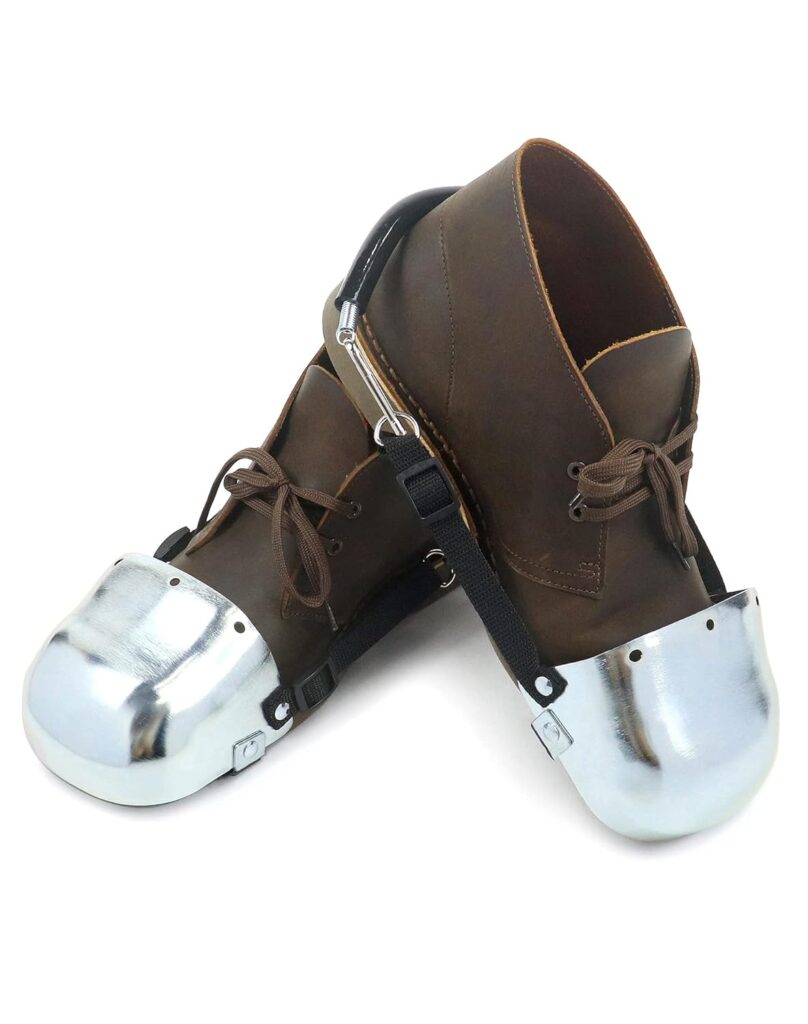
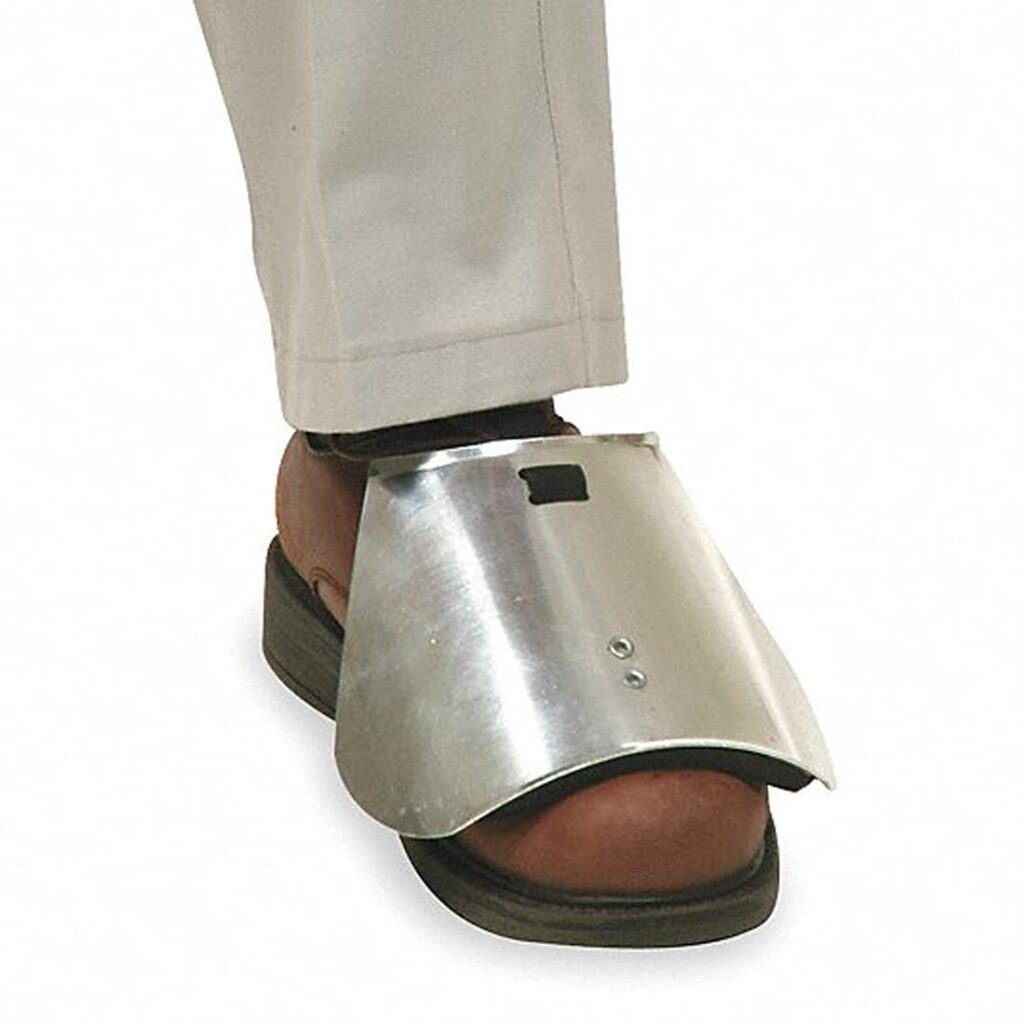
4. Foot Protection
Standard safety shoes won’t cut it in high-temperature environments.
Look for:
- Heat-resistant soles
- Metatarsal guards
- Steel toe caps
- Molten metal splash protection
Your feet need protection from both heat and falling hazards.
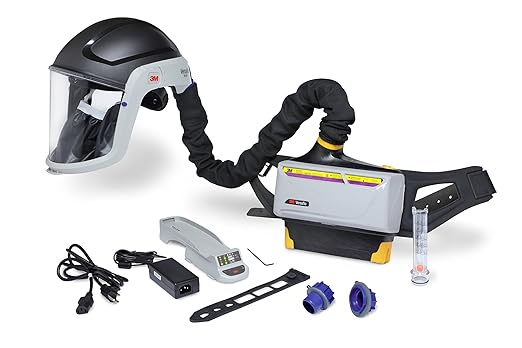
5. Respiratory Protection
Hot environments often release harmful fumes and gases.
Options include:
- Heat-resistant respirators
- Supplied air systems for confined spaces
- Filters designed for high-temperature particulates
Breathing clean air is just as important as avoiding burns.
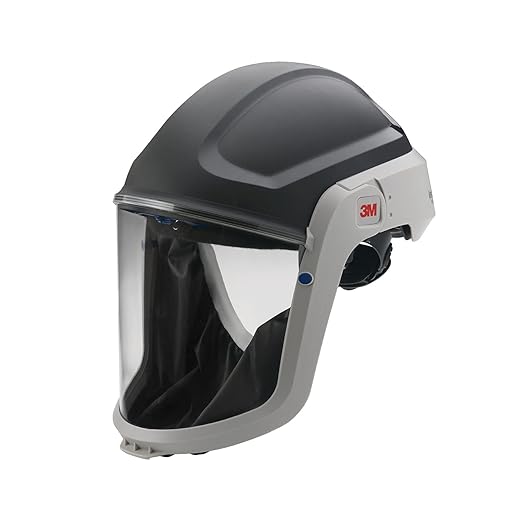

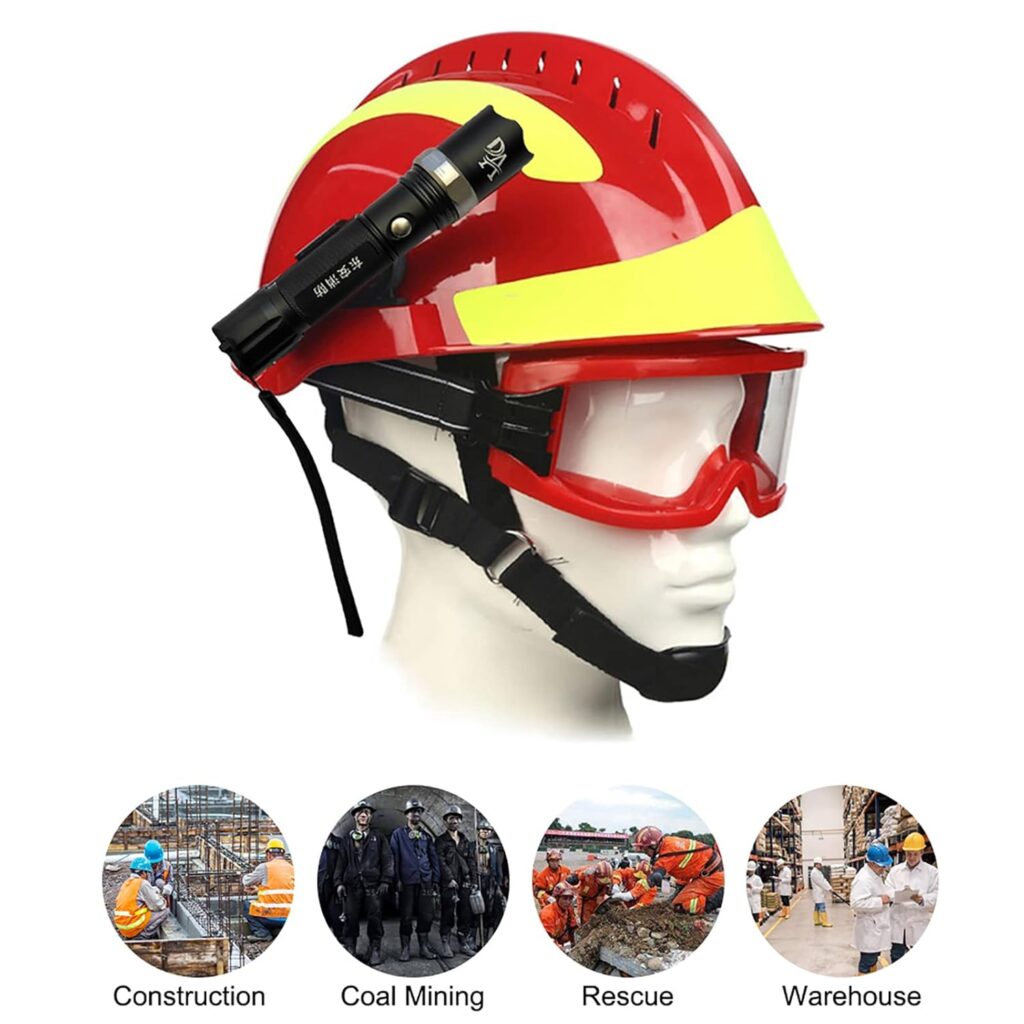
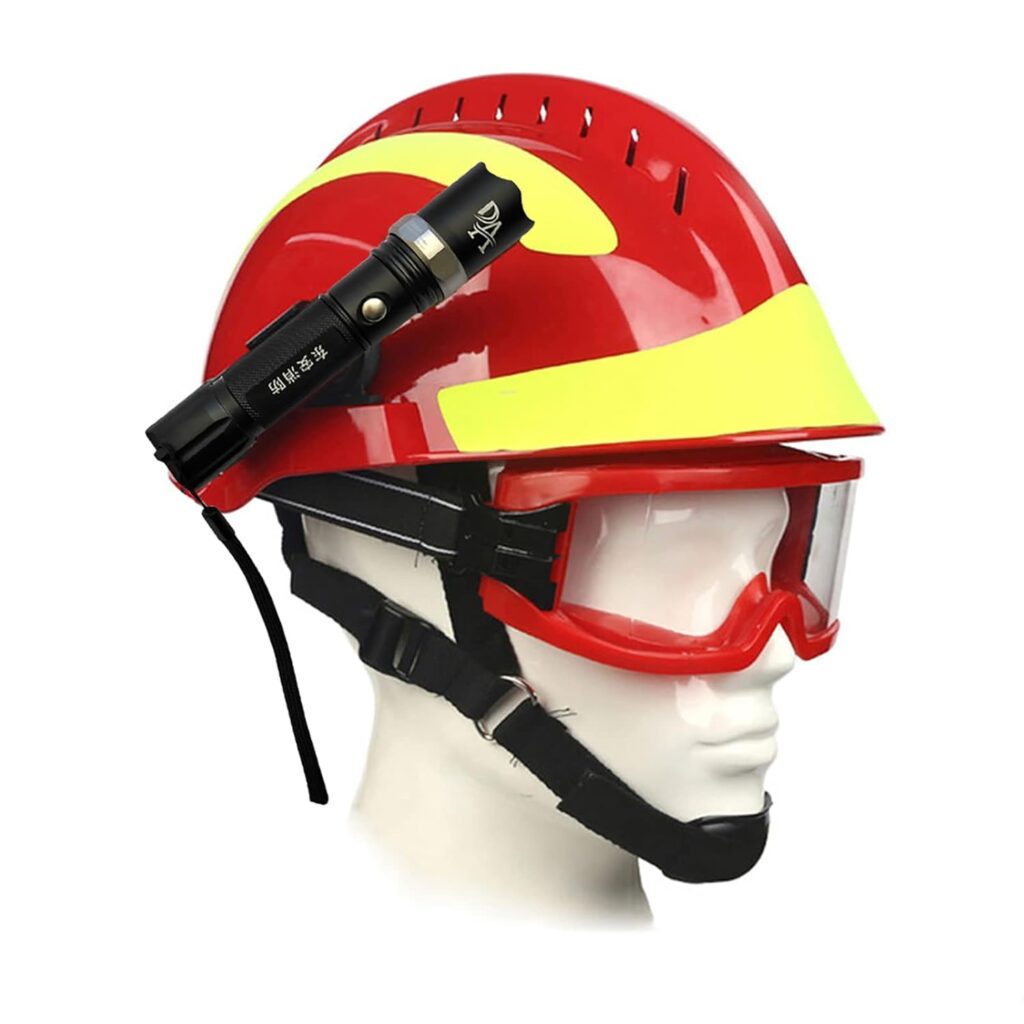
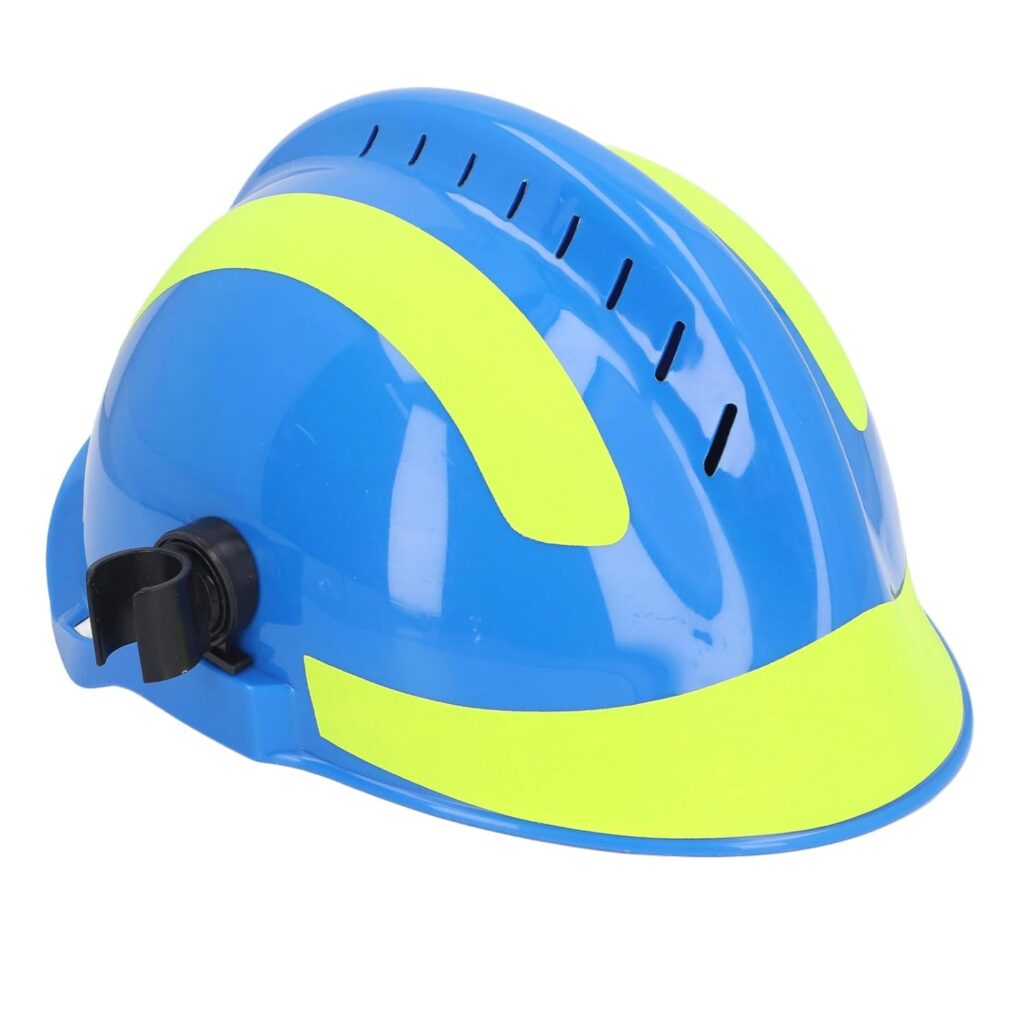
6. Head Protection
Helmets or hard hats should be heat-resistant and compatible with face shields.
Features to consider:
- Reflective surfaces
- Sweatbands for comfort
- Compatibility with other PPE
Heat Stress: The Hidden Danger
While burns are obvious risks, heat stress is often overlooked—and it can be deadly.
Warning Signs:
- Dizziness or confusion
- Excessive sweating or lack of sweating
- Rapid heartbeat
- Nausea
- Muscle cramps
Prevention Tips:
- Stay hydrated (don’t wait until you’re thirsty)
- Take regular breaks in cool areas
- Wear breathable PPE when possible
- Monitor coworkers for symptoms
Remember: PPE protects you from external heat, but your body still needs to manage internal temperature.
Choosing the Right PPE: What to Consider
Not all hot work environments are the same, so your PPE shouldn’t be one-size-fits-all.
Key Factors:
1. Temperature Levels
Is it moderate heat or extreme exposure? This determines material choice.
2. Type of Hazard
Are you dealing with flames, molten metal, or hot surfaces?
3. Duration of Exposure
Longer exposure requires more advanced protection and cooling strategies.
4. Mobility Needs
Bulky PPE can restrict movement—balance protection with usability.
5. Comfort and Fit
Uncomfortable PPE is more likely to be worn incorrectly—or not at all.
Common Mistakes Workers Make with PPE
Even the best gear won’t help if it’s used incorrectly. Here are some common pitfalls:
- Wearing damaged or worn-out PPE
- Choosing comfort over safety
- Not securing PPE properly
- Mixing incompatible gear
- Ignoring manufacturer instructions
Safety isn’t just about having PPE—it’s about using it the right way every time.
Maintenance Matters: Taking Care of Your PPE
Think of PPE as an investment in your safety. Proper maintenance ensures it performs when you need it most.
Best Practices:
- Inspect before every use
- Clean according to manufacturer guidelines
- Store in a dry, cool place
- Replace damaged or expired items
- Keep a maintenance log if required
Neglecting PPE maintenance can turn reliable gear into a hidden hazard.
The Role of Employers in PPE Safety
Safety isn’t just the worker’s responsibility. Employers play a critical role in ensuring proper PPE use.
Employer Responsibilities:
- Conduct hazard assessments
- Provide appropriate PPE
- Train workers on correct usage
- Enforce safety policies
- Regularly review and update PPE standards
A strong safety culture starts at the top.
Innovations in PPE for Hot Work
Technology is changing the game when it comes to safety gear.
Emerging Trends:
- Cooling vests with phase-change materials
- Smart PPE with temperature sensors
- Lightweight, high-performance fabrics
- Enhanced visibility with reflective coatings
These innovations not only improve safety but also increase comfort and productivity.
Real-World Scenario: Why PPE Saves Lives
Imagine a worker in a metal casting plant handling molten metal without proper gloves. One small splash can cause severe burns in seconds.
Now imagine the same scenario with aluminized gloves and full protective gear. That same splash? Deflected and harmless.
That’s the difference PPE makes—not theoretical, but real and immediate.
Building a Safety-First Mindset
PPE is just one part of the equation. The real goal is creating a culture where safety is second nature.
How to Build It:
- Encourage open communication about hazards
- Reward safe behavior
- Conduct regular safety drills
- Lead by example
When safety becomes a habit, accidents become rare.
Final Thoughts: Protect Yourself, Perform Better
Working in hot processes doesn’t have to mean constant risk. With the right PPE, proper training, and a proactive mindset, you can stay safe without sacrificing performance.
Remember—heat is predictable, but accidents aren’t. The more prepared you are, the better your chances of going home safe every day.
So gear up, stay alert, and never underestimate the power of proper protection.
FAQs
Q1: What is the best material for heat-resistant clothing?
Aluminized fabrics and aramid fibers like Nomex are among the best for high-heat environments.
Q2: How often should PPE be replaced?
It depends on usage and wear, but always replace immediately if damaged or compromised.
Q3: Can PPE prevent heat stress?
PPE helps reduce external heat exposure, but hydration and breaks are essential for preventing heat stress.
Q4: Is training necessary for PPE use?
Absolutely. Improper use can reduce effectiveness and increase risk.
If you found this guide helpful, consider sharing it with your team. Safety is everyone’s responsibility—and the right knowledge can save lives.
🔁 Readers also enjoyed these blog posts:
- Safety Management’s Role: The Unsung Hero Behind Every Successful Organization
- Safety Management and Its Responsibilities: Protecting People, Preventing Hazards, and Promoting a Culture of Care
- Benchmarking for Safety Performance: A Key to Continuous Improvement
“Start Your Website Journey Today – Exclusive Hostinger Discounts!”

Turn Any Idea into Viral,
Jaw-Dropping AI Videos in Seconds!