by
by Handling of Flammable Liquids
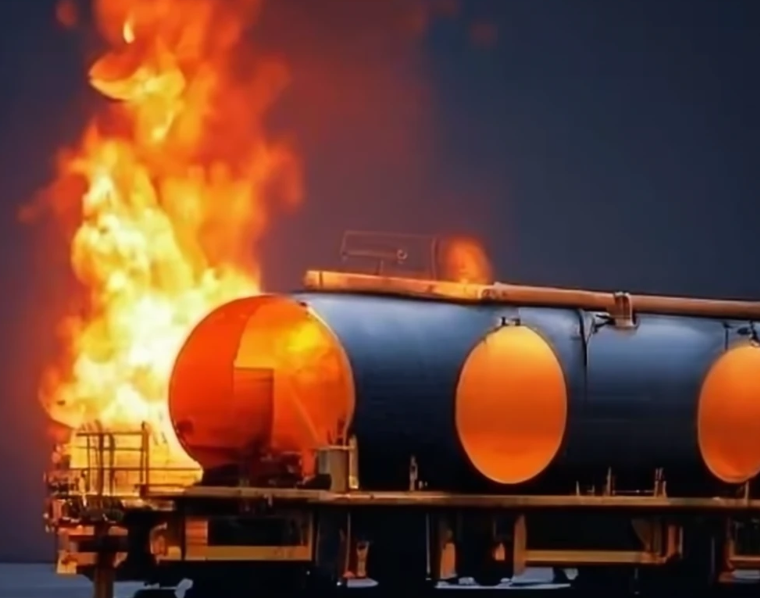
• While loading/unloading
• Take care of adverse weather condition.
• Safe access to the top of trailer tank car.
• Suitable fire extinguisher
• Proper supervision is to be done.
• Adequate PPEs to be provided.
• Emergency shower and eye washer should be provided.
• Training of personnel.
• Avoid mixing of chemicals.
• Routine thorough check up procedure.
• Proper identification on discharge lines.
• Earthing for transferring flammable liquids.
• Muffler on exhaust pipe.
• Trucks/tankers should be fixed by brakes or wheel blocks and engine stopped while loading or unloading.
• Good housekeeping around loading/unloading areas.
• Loading/unloading should be done at isolated places if possible.
Handling of Flammable Gases
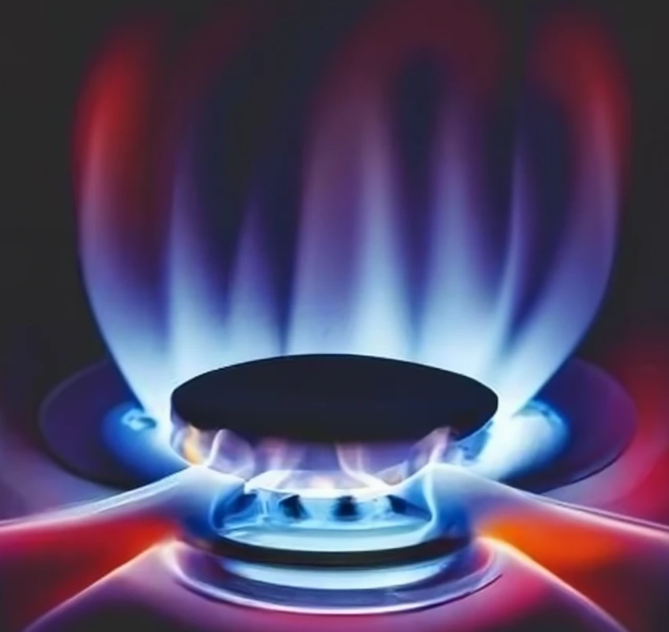
• Gases are generally contained in cylinders
• Flammable gases pose fire hazard when they leak or escape from their container.
• Cylinders must be protected from heat and deterioration.
• Cylinders should not dragged, dropped, rolled on surface.
• Proper cap on cylinder is to be provided.
• Storage should dry, cool and well ventilated.
• Highly flammable solvents, combustion waste material etc. not to store near flammable gases.
• It is safer to use suitable trucks to move them even through short distance.
• They must not be lifted with cap or with the aid of rope or chain slings.
• A safe cradle on platform with guard rails should be used for the purpose.
• Storage room for cylinder should be dry, cool and well ventilated.
Handling of Flammable Solids
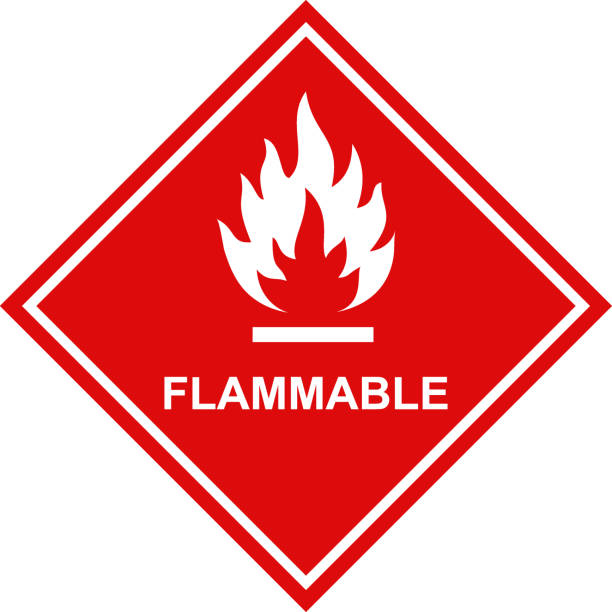
• A large variety of solid materials used in industries and at other places present fire risk.
• Flammable solid materials become particularly hazardous under certain conditions.
• Some possess the ability of being easily ignited by external sources such as sparks and flame.
• Certain materials have the property of releasing flammable gases when in contact with water.
• Bales of Cotton and Jute hemp represent some of the solid materials which are easily ignited.
• With an ignition source, the fire initially flashes over fibers on the surface and then travels at a slower rate between bales and into individual bales.
• Bituminous coal represents flammable solids liable to spontaneous combustion.
• It absorbs oxygen from air and the absorption is more rapid when the coal if freshly mined or contained much fine dust.
• Calcium Carbide and Alkali metals are some of the solids which when in contact with water liberate flammable gases.
• In some cases the gases released may be ignited from the heat of reaction.
• These materials are to be packed in air tight containers and stored in dry, cool and well ventilated builidng