 by
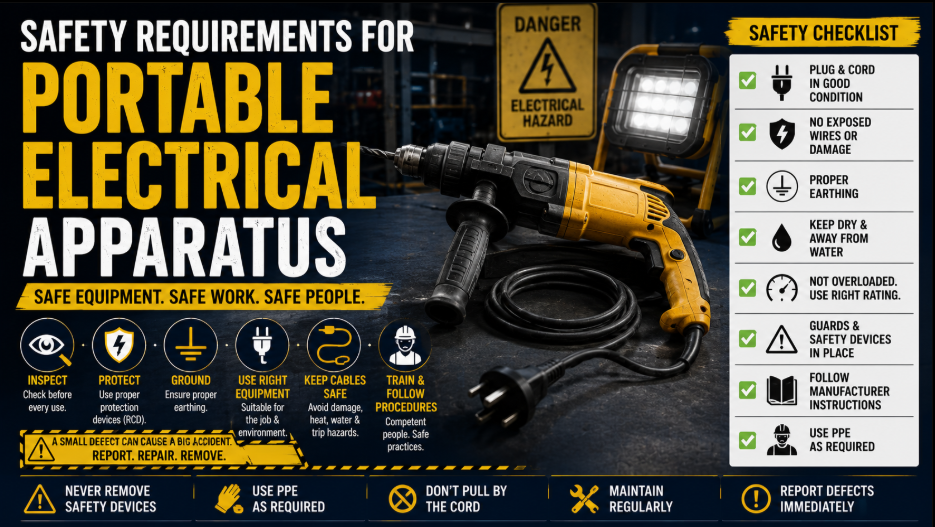
by Safety Requirements for Portable Electrical Apparatus
Portable electrical apparatus makes everyday work faster and easier.
Drills, grinders, heat guns, soldering irons, portable lamps, extension boards, vacuum cleaners, welding equipment, testing instruments, portable pumps, and other electrically powered tools are found in almost every workplace.
But there is a problem.
Because these devices are familiar and easy to carry, workers can sometimes treat them as low-risk equipment.
A damaged power cord may be ignored.
A loose plug may continue to be used.
An extension cable may be placed across a wet floor.
A worker may use a portable electrical tool without checking its condition.
These small shortcuts can create serious consequences.
Portable electrical apparatus can expose workers to electric shock, burns, arc flash, fire, equipment damage, and secondary injuries such as falls.
The good news is that most of these risks can be significantly reduced through proper selection, inspection, maintenance, grounding, protective devices, and safe operating practices.
This guide explains the essential safety requirements for portable electrical apparatus and provides a practical checklist that EHS professionals, supervisors, technicians, electricians, and workers can use in the workplace.
What Is Portable Electrical Apparatus?
Portable electrical apparatus refers broadly to electrical equipment or appliances that can be moved from one location to another and are connected to an electrical supply during use.
Common examples include:
- Electric drills
- Angle grinders
- Portable cutting machines
- Heat guns
- Soldering irons
- Portable lamps
- Extension boards
- Portable vacuum cleaners
- Electric pumps
- Portable fans
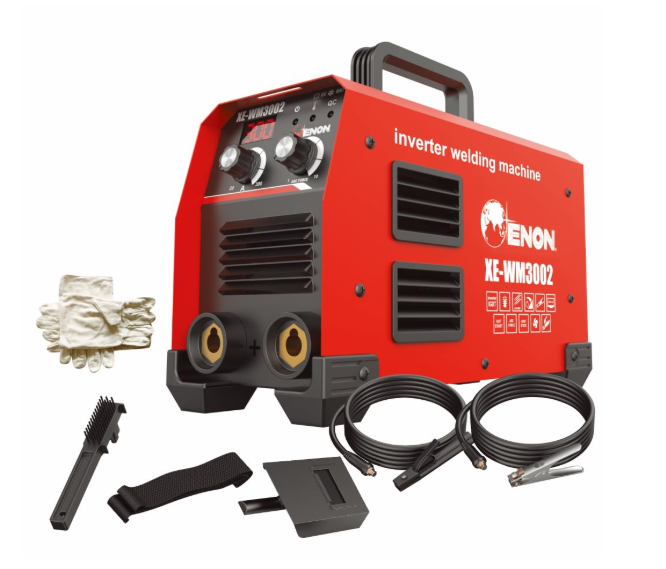
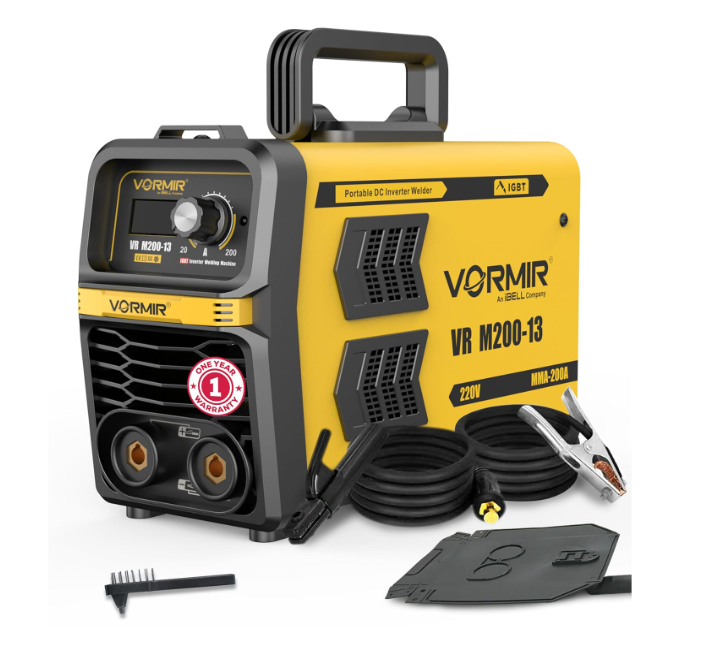
- Welding equipment
- Electrical testing instruments
- Portable power tools
- Chargers and adapters
- Temporary electrical equipment
The exact requirements can vary depending on the equipment, voltage, environment, workplace, and applicable electrical regulations or standards.
However, the fundamental safety principle remains the same:
Portable electrical equipment must be suitable for the job, maintained in safe condition, inspected appropriately, and used in a way that prevents people from coming into contact with hazardous electrical energy.
Why Is Portable Electrical Equipment Dangerous?
Portable equipment creates some unique hazards because it is frequently moved, connected, disconnected, dropped, transported, and used in changing environments.
Every movement creates another opportunity for damage.
For example, a cable can be:
- Pulled across a floor
- Crushed by equipment
- Cut by a sharp edge
- Exposed to heat
- Run through water
- Damaged by chemicals
- Bent repeatedly
- Used as a carrying handle
Similarly, plugs can become loose, housings can crack, protective guards can become damaged, and internal components can deteriorate.
The danger is not always obvious.
A tool may appear to work perfectly while its insulation or protective system has already been compromised.
That is why visual inspection and preventive maintenance are critical parts of electrical safety.
1. Select the Right Equipment for the Job
Electrical safety starts before the equipment is switched on.
The apparatus should be suitable for:
- The intended task
- The electrical supply
- The environment
- The expected load
- The operating conditions
- The required protection level
Do not use equipment simply because it is available.
For example, equipment designed for a dry indoor environment may not be appropriate for use in a wet or outdoor location.
Similarly, an ordinary portable electrical tool may not be suitable for a location where flammable atmospheres could exist.
Before selecting equipment, consider the environment as carefully as the task itself.
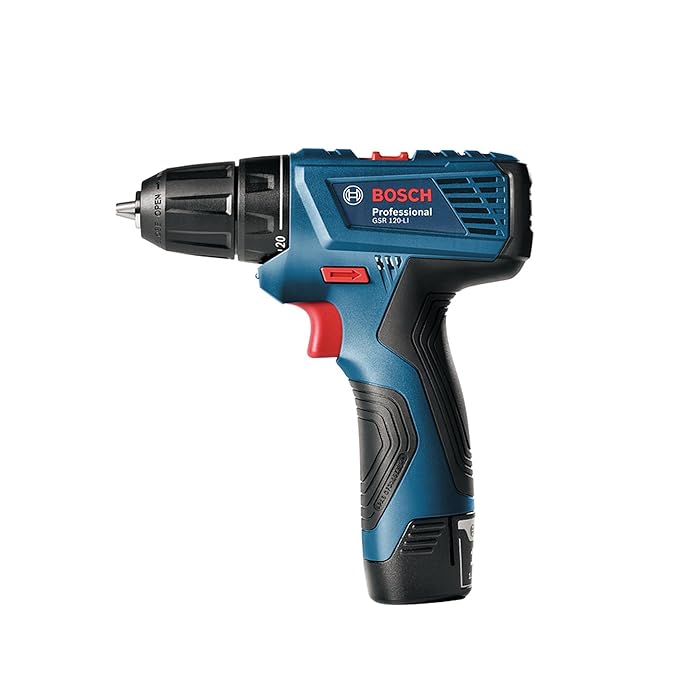


2. Inspect Portable Electrical Apparatus Before Use
One of the simplest and most effective safety measures is a pre-use inspection.
Before plugging in a portable electrical device, check its overall condition.
Look for:
- Damaged insulation
- Exposed wires
- Cracked plugs
- Loose connections
- Broken switches
- Damaged housings
- Missing guards
- Burn marks
- Signs of overheating
- Loose components
- Damaged extension cables
- Bent or broken pins
- Evidence of water or chemical damage
If something looks wrong, do not use the equipment.
Remove it from service and report the defect.
A five-minute inspection can prevent an electrical incident that could otherwise happen in seconds.
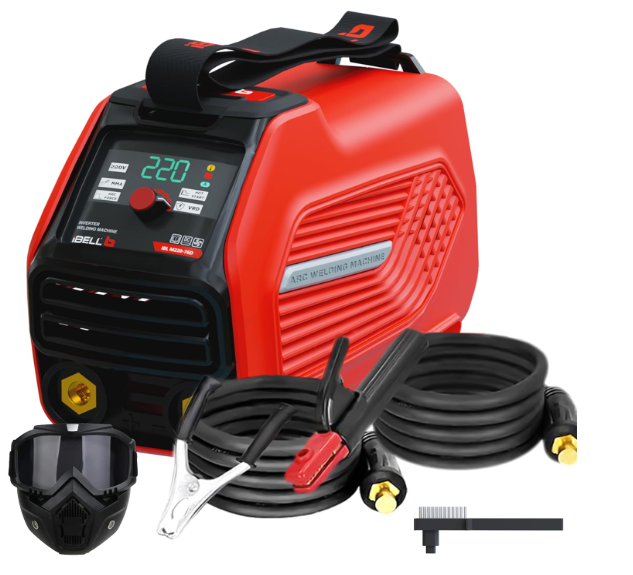
3. Check the Power Cord Carefully
The power cord is one of the most vulnerable parts of portable electrical equipment.
It is constantly exposed to:
- Bending
- Pulling
- Twisting
- Abrasion
- Crushing
- Heat
- Oil
- Chemicals
- Moisture
Before use, inspect the entire length of the cable.
Never use equipment if the cable has:
- Exposed conductors
- Severe cuts
- Burn marks
- Cracked insulation
- Missing insulation
- Improper joints
- Loose connections
- Signs of overheating
Never attempt to create an unsafe temporary repair with ordinary tape.
Damaged cables should be repaired or replaced by appropriately qualified personnel according to the organization’s procedure.
4. Never Pull a Tool by Its Electrical Cord
This is a surprisingly common bad practice.
Workers sometimes pull a portable tool across the floor using its power cord.
This places mechanical stress on the cable and its connections.
Over time, repeated pulling can damage:
- Cable insulation
- Plug connections
- Internal wiring
- Strain relief components
The correct practice is simple:
Carry the equipment by its handle or designated carrying point—not by the cable.
The cable should also be protected from sharp edges, hot surfaces, moving machinery, and vehicle traffic.
5. Check Plugs and Sockets
The plug is another important inspection point.
Before use, check whether:
- Pins are damaged
- The plug body is cracked
- Connections are loose
- There are burn marks
- The plug is excessively hot
- The socket is damaged
- The socket connection is loose
Never force a plug into a socket.
Never use makeshift arrangements to overcome an incompatible connection.
A loose electrical connection can generate heat and potentially result in arcing or fire.
If a socket repeatedly becomes hot or shows signs of damage, it should be investigated by an appropriately qualified person.
6. Ensure Proper Earthing/Grounding
For equipment designed to use protective earthing, the grounding/earthing arrangement is an important safety measure.
If an insulation fault causes an exposed conductive part to become energized, an effective protective conductor can provide a low-impedance fault path and help protective devices operate.
Workers should never:
- Remove an earth pin
- Cut an earth wire
- Bypass protective grounding
- Modify a plug to avoid grounding
- Use damaged grounding conductors
A tool may continue functioning after its protective earth has been compromised.
That does not mean it is safe.
7. Use Residual Current Protection Where Appropriate
Residual Current Devices (RCDs), also referred to as ground-fault protection devices in some systems, can provide an important additional layer of protection against certain leakage-current conditions.
They are particularly valuable in situations where portable electrical equipment is used in environments with increased electric-shock risk.
Depending on the workplace and applicable requirements, additional protection may be appropriate for:
- Construction activities
- Outdoor work
- Damp locations
- Temporary electrical installations
- Portable tools
- Maintenance activities
An RCD is not a substitute for safe work practices, proper earthing, inspection, or equipment maintenance.
It is another layer in the safety system.
And like other protective devices, it needs to be correctly selected, installed, tested, and maintained.
8. Keep Portable Electrical Equipment Dry
Water significantly increases electrical risk.
Portable electrical apparatus should therefore be protected from:
- Rain
- Water splashes
- Wet floors
- Flooding
- Condensation
- Damp storage conditions
Never handle electrical equipment with wet hands when doing so could create an electrical hazard.
Do not place electrical equipment in puddles or areas where water can enter the housing.
If equipment becomes wet, do not simply switch it on to “see if it still works.”
Remove it from service and have it assessed appropriately.
9. Use Equipment Suitable for the Environment
Not every electrical device is designed for every environment.
Before using portable apparatus, consider whether the workplace contains:
- Dust
- Water
- High temperatures
- Corrosive chemicals
- Flammable materials
- Explosive atmospheres
- Excessive vibration
- Outdoor exposure
Equipment used in hazardous areas may require specific certification and protection suitable for that environment.
For example, ordinary portable electrical equipment should not automatically be taken into an area where a flammable or explosive atmosphere may exist.
Equipment selection must match environmental risk.
10. Avoid Overloading Electrical Circuits
Portable equipment can create significant electrical loads.
Problems can occur when workers connect too many devices to:
- One socket
- One extension board
- One extension cable
- One temporary distribution point
Overloading can cause:
- Cable overheating
- Plug heating
- Protective-device operation
- Equipment damage
- Fire
Know the electrical capacity of the supply and equipment being used.
Do not assume that because an extension board has multiple sockets, every socket can automatically be loaded to the maximum simultaneously.
11. Use Extension Cords Correctly
Extension cords are useful but frequently misused.
They should be:
- Suitable for the intended load
- In good condition
- Appropriate for the environment
- Properly connected
- Protected from physical damage
Avoid running extension cords:
- Through standing water
- Under carpets where heat can accumulate
- Through doorways where they can be crushed
- Across sharp edges
- Through vehicle routes without suitable protection
- Near hot surfaces
- Where they create uncontrolled trip hazards
Never connect multiple extension cords together as a routine method of creating a longer supply.
Where work requires a permanent electrical supply, a properly designed installation is generally a better solution.
12. Protect Cables From Mechanical Damage
A portable cable can become a trip hazard as well as an electrical hazard.
Where cables must cross walkways, appropriate measures should be used to prevent:
- Crushing
- Tripping
- Abrasion
- Vehicle damage
- Unauthorized disconnection
Cable ramps or suitable protective systems may be used where appropriate.
Do not place heavy equipment on electrical cables.
Never route a cable underneath sharp metal edges without suitable protection.
A damaged cable can turn a simple maintenance task into an electrical emergency.
13. Do Not Use Damaged Portable Tools
A damaged tool should not be “used carefully.”
It should be removed from service.
This is particularly important for:
- Drills
- Grinders
- Cutters
- Sanders
- Heat guns
- Welding equipment
- Portable pumps
- Portable lights
The tool should be clearly identified as defective and sent for inspection, repair, or replacement according to workplace procedures.
This prevents another worker from unknowingly picking up the same defective equipment.
14. Never Remove Safety Guards
Some portable electrical tools contain mechanical guards designed to protect the operator.
For example, portable grinders may have protective guards intended to reduce exposure to fragments and other hazards.
Never remove or bypass a guard simply because it makes the work easier.
A guard that has been removed cannot protect the worker.
If the guard is damaged or incorrectly positioned, stop using the equipment and have it corrected.
15. Use the Correct PPE
PPE should be selected based on the hazards associated with the task.
Depending on the equipment and work activity, this may include:
- Safety glasses
- Face protection
- Safety footwear
- Hearing protection
- Protective gloves appropriate to the task
- Arc-rated PPE where electrical hazards warrant it
- Protective clothing
However, PPE should not be considered a replacement for engineering and administrative controls.
The preferred approach is to eliminate or reduce the hazard first, then use PPE as an additional layer of protection.
16. Be Careful With Portable Grinders and Cutting Tools
Portable electrical grinders deserve particular attention.
They combine:
Electrical energy + rotating machinery + abrasive energy
Before use, check:
- Power cable
- Plug
- Guard
- Handle
- Switch
- Disc or wheel
- Mounting arrangement
- Rated speed
- Signs of damage
The abrasive wheel or disc should be appropriate for the tool and task.
Never use a damaged or unsuitable disc.
Do not remove the guard to gain better access to the workpiece.
Also consider sparks, flying particles, noise, and fire hazards.
Electrical safety is only one part of the risk assessment.
17. Switch Off Before Adjusting or Changing Accessories
If a portable tool requires an accessory to be changed, the equipment should be disconnected or otherwise made safe according to the manufacturer’s instructions and workplace procedure.
Examples include:
- Changing a drill bit
- Replacing a grinding disc
- Changing a cutting blade
- Cleaning a tool
- Removing a jam
- Performing maintenance
Do not rely solely on the trigger switch.
A tool that can accidentally start while you are holding the working end can cause serious injury.
For maintenance or servicing that exposes a worker to hazardous energy, the applicable energy-isolation/LOTO procedure should be followed.
18. Store Electrical Equipment Properly
Safety doesn’t stop when the tool is switched off.
Portable electrical equipment should be stored in a way that prevents:
- Cable damage
- Water exposure
- Chemical contamination
- Impact damage
- Unauthorized use
- Loss of protective components
Do not wrap cables excessively tightly around equipment if doing so can damage the cable.
Where possible, use designated storage areas.
Keep electrical equipment away from direct sunlight, moisture, heat sources, and corrosive materials when those conditions could damage the equipment.
19. Perform Periodic Inspection and Testing
Pre-use inspection is important, but it is not always enough.
Organizations should establish appropriate periodic inspection, maintenance, and testing arrangements based on:
- Equipment type
- Frequency of use
- Work environment
- Manufacturer recommendations
- Risk assessment
- Applicable regulations and standards
- Previous defect history
Some workplaces use inspection labels or color-coding systems to help identify equipment that has passed the organization’s required inspection program.
However, a valid inspection label should never override a visible defect.
If equipment becomes damaged after inspection, it must still be removed from service.
20. Only Qualified Personnel Should Repair Electrical Equipment
Electrical repairs should be performed by appropriately qualified and authorized personnel.
Workers should not open electrical equipment or attempt repairs simply because:
“It is only a loose wire.”
Improper repairs can introduce:
- Shock hazards
- Fire hazards
- Incorrect grounding
- Insulation failure
- Short circuits
- Unexpected equipment behavior
Repairs should follow the manufacturer’s instructions and the organization’s electrical maintenance procedures.
After repair, appropriate inspection or testing should be completed before returning equipment to service.
21. Never Bypass a Circuit Breaker or Protective Device
A circuit breaker that trips is giving you information.
It may indicate:
- Overload
- Short circuit
- Equipment fault
- Leakage
- Damaged insulation
- Other electrical problems
Repeatedly resetting the breaker without investigating the cause is unsafe.
Never replace a protective device with one of an inappropriate rating simply to prevent nuisance tripping.
Never bypass protective devices.
A protective device that operates repeatedly should be treated as a warning—not an inconvenience.
22. Keep Combustible Materials Away From Electrical Equipment
Electrical equipment can generate heat, sparks, or arcs under fault conditions.
Therefore, portable electrical apparatus should be kept away from unnecessary combustible materials.
Pay particular attention to:
- Paper
- Cardboard
- Solvents
- Flammable liquids
- Gas cylinders
- Combustible dust
- Packaging materials
When equipment such as grinders produces sparks, the surrounding area should be assessed for fire hazards before work begins.
23. Train Workers Before They Use Portable Electrical Equipment
Even simple electrical equipment requires basic training.
Workers should understand:
- How to operate the equipment
- Electrical hazards
- Inspection requirements
- Safe connection methods
- Correct use of cables
- Emergency procedures
- PPE requirements
- Defect reporting
- When to stop work
Training should be appropriate to the equipment and the person’s role.
A worker who knows how to operate a drill is not automatically qualified to repair the drill or troubleshoot an electrical circuit.
Operating competence and electrical competence are not necessarily the same thing.
24. Report Defective Equipment Immediately
Workers should have a simple way to report defective electrical equipment.
A useful reporting process is:
STOP → ISOLATE FROM USE → LABEL → REPORT → REPAIR/REPLACE
Do not leave defective equipment lying around without identification.
Otherwise, another worker may pick it up without knowing there is a problem.
A simple “DO NOT USE – DEFECTIVE” tag can prevent an incident while the equipment is awaiting repair.
25. Never Modify Electrical Equipment Without Authorization
Unauthorized modifications can compromise the original safety design.
Examples include:
- Cutting off earth pins
- Changing plugs
- Adding homemade connections
- Removing guards
- Extending internal wiring
- Bypassing switches
- Changing protective devices
- Using non-approved adapters
Even if the modification appears to work, it may create an electrical hazard.
Any modification should be performed through an approved engineering or maintenance process.
Portable Electrical Apparatus: Practical EHS Checklist
Before using portable electrical equipment, ask:
Equipment Condition
- Is the equipment suitable for the task?
- Is the equipment in good physical condition?
- Is the housing undamaged?
- Is the power cord free from damage?
- Is the plug in good condition?
- Are guards correctly installed?
- Are switches operating correctly?
Electrical Protection
- Is the equipment correctly grounded/earthed where required?
- Is appropriate residual-current protection provided where required?
- Is the supply suitable for the equipment?
- Is the circuit adequately protected?
- Are extension cables suitable for the load?
Environment
- Is the area dry?
- Is the equipment suitable for the environment?
- Are combustible materials controlled?
- Are cables protected from physical damage?
- Are trip hazards controlled?
Worker Safety
- Is the worker trained?
- Is the correct PPE available?
- Is the manufacturer’s operating guidance understood?
- Are defective tools removed from service?
- Are emergency procedures known?
If the answer to a critical safety question is No, stop and address the issue before starting work.
Common Mistakes With Portable Electrical Equipment
Some unsafe practices are so common that they can easily become normalized.
❌ Using a tool with damaged insulation
Why it’s dangerous: The worker may come into contact with exposed energized parts.
❌ Pulling equipment by the cable
Why it’s dangerous: Repeated pulling can damage the cable and connections.
❌ Using electrical equipment with wet hands
Why it’s dangerous: Moisture can reduce the body’s resistance and increase shock risk.
❌ Removing the earth pin
Why it’s dangerous: It can defeat an important protective measure.
❌ Connecting multiple extension boards
Why it’s dangerous: It can create overload and heating hazards.
❌ Ignoring repeated breaker trips
Why it’s dangerous: A recurring trip may indicate an electrical fault.
❌ Repairing a cable with an improvised joint
Why it’s dangerous: The repair may not provide adequate insulation or mechanical protection.
❌ Continuing to use equipment after it has been dropped
Why it’s dangerous: Internal damage may not be visible.
❌ Using indoor equipment outdoors
Why it’s dangerous: The equipment may not be designed for the environmental conditions.
❌ Allowing untrained workers to repair electrical equipment
Why it’s dangerous: Incorrect repairs can introduce hidden electrical hazards.
The 5 Golden Rules for Portable Electrical Safety
For worker training, the entire topic can be simplified into five rules:
1. Inspect Before Use
Look at the cable, plug, body, switch, guard, and overall condition.
2. Use the Right Equipment
Make sure the tool and electrical supply are suitable for the task and environment.
3. Keep Electricity and Water Apart
Prevent equipment, cables, plugs, and connections from exposure to unsafe moisture.
4. Never Bypass Protection
Do not remove grounding, guards, breakers, RCD protection, or other safety systems.
5. Stop When Something Looks Wrong
A damaged tool is not worth the risk. Remove it from service and report it.
What Should EHS Professionals Focus On?
For an effective portable electrical equipment program, EHS teams should consider more than simply putting inspection stickers on tools.
A good program should include:
- Equipment inventory
- Risk-based inspection schedules
- Pre-use inspection requirements
- Periodic inspection/testing where applicable
- Defect identification and quarantine
- Competency requirements
- Electrical safety training
- Approved equipment standards
- Maintenance arrangements
- RCD/protective-device requirements where applicable
- Contractor controls
- Emergency response
- Incident reporting
- Periodic program review
The goal is to create a system where unsafe equipment is identified before it reaches the worker.
What To Do During an Electrical Emergency
If someone receives an electric shock, do not immediately touch the person if they may still be in contact with an energized source.
The rescuer could become part of the same electrical circuit.
Where it can be done safely, isolate the electrical supply using the appropriate emergency procedure.
Call for emergency assistance.
Once the electrical hazard has been safely controlled, trained responders should provide appropriate first aid/CPR and use an AED when indicated and available.
The specific emergency procedure should be established by the workplace based on its hazards, equipment, and applicable requirements.
After an incident, the organization should investigate not only what happened but why the person was exposed to the hazard in the first place.
Final Thoughts: A Small Tool Can Create a Big Hazard
Portable electrical apparatus may be small, lightweight, and familiar.
That does not make it harmless.
A portable drill with a damaged cable, an extension board overloaded with equipment, a grinder with a missing guard, or a portable lamp used in an unsuitable environment can quickly turn an ordinary task into a serious incident.
The most effective electrical safety strategy is not complicated:
Choose the right equipment.
Inspect it before use.
Maintain it properly.
Protect cables and connections.
Use appropriate grounding and residual-current protection where required.
Keep equipment away from unsafe moisture.
Never bypass protective devices.
Train workers.
Remove defective equipment from service.
And most importantly:
Never allow production pressure or convenience to override electrical safety.
A portable electrical tool should make the job easier—not make the worker part of the electrical circuit.
When every worker develops the habit of STOP → CHECK → CONNECT → USE SAFELY → REPORT DEFECTS, electrical safety becomes part of normal work rather than an afterthought.
Frequently Asked Questions
What should be checked before using portable electrical equipment?
Inspect the equipment, cable, plug, switch, housing, guards, and protective features. Check that it is suitable for the task and environment and that no visible defects are present.
Can damaged electrical equipment be used temporarily?
No. Damaged equipment should be removed from service, identified, and repaired or replaced through the appropriate process.
Why is earthing important for portable electrical equipment?
For equipment designed to use protective earthing, the earth connection can provide a fault-current path and help protective devices operate when an insulation fault makes an exposed conductive part hazardous.
Is an RCD enough to make portable electrical equipment safe?
No. An RCD is an additional protective measure. It does not replace proper equipment selection, inspection, grounding, maintenance, safe work practices, or appropriate training.
Can extension boards be connected to other extension boards?
This should not be used as a routine practice. It can create overload, voltage-drop, heating, and connection hazards. Electrical supplies should be designed appropriately for the expected load.
What should I do if a portable electrical tool gets wet?
Do not simply switch it on to test it. Remove it from service and have it appropriately assessed before it is returned to use.
Who should repair portable electrical equipment?
Electrical repairs should be performed by appropriately qualified and authorized personnel following the manufacturer’s requirements and the organization’s electrical safety procedures.
How often should portable electrical equipment be inspected?
The appropriate frequency depends on the equipment, environment, frequency of use, risk level, applicable requirements, and organizational procedures. Pre-use checks should be performed where required, with periodic inspection/testing based on a suitable risk-based program.
Safety Note
This article is intended for general EHS and electrical-safety awareness. Specific requirements for portable electrical apparatus vary according to the equipment, workplace, voltage system, environmental conditions, and applicable laws, codes, and standards. For workplaces in India, organizations should establish their requirements with reference to applicable Indian electrical-safety regulations, relevant BIS/Indian Standards, manufacturer instructions, and competent electrical-safety professionals.
When in doubt, stop the work, isolate the hazard where appropriate, and seek competent technical advice.
🔁 Readers also enjoyed these blog posts:
- Safety Management’s Role: The Unsung Hero Behind Every Successful Organization
- Safety Management and Its Responsibilities: Protecting People, Preventing Hazards, and Promoting a Culture of Care
- Benchmarking for Safety Performance: A Key to Continuous Improvement
“Start Your Website Journey Today – Exclusive Hostinger Discounts!”