 by
by Understanding the Two Essential Instruments Used in Heat Stress Assessment
Temperature measurement plays a crucial role in maintaining workplace safety, especially in industries where employees are exposed to high temperatures for prolonged periods. Construction sites, manufacturing plants, foundries, mining operations, and outdoor workplaces all face challenges related to heat exposure.
When discussing heat stress monitoring, two instruments are frequently mentioned: the Dry Bulb Thermometer and the Globe Thermometer. While both measure temperature-related conditions, they serve different purposes and provide different types of information.
Understanding the difference between these instruments is essential for safety professionals, supervisors, occupational health specialists, and workers responsible for maintaining a safe working environment.
In this article, we will explore the working principles, applications, advantages, limitations, and key differences between Dry Bulb Thermometers and Globe Thermometers.
What Is a Dry Bulb Thermometer?
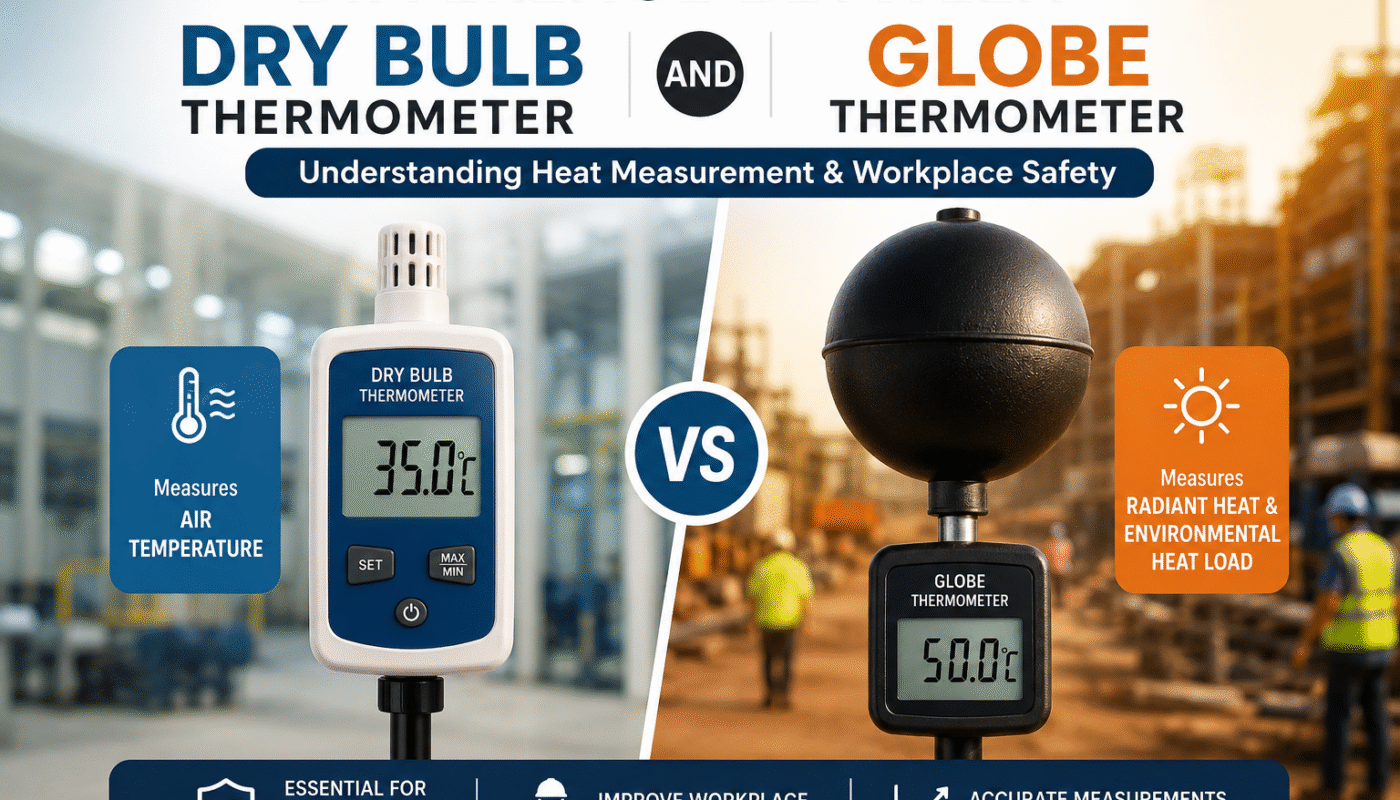
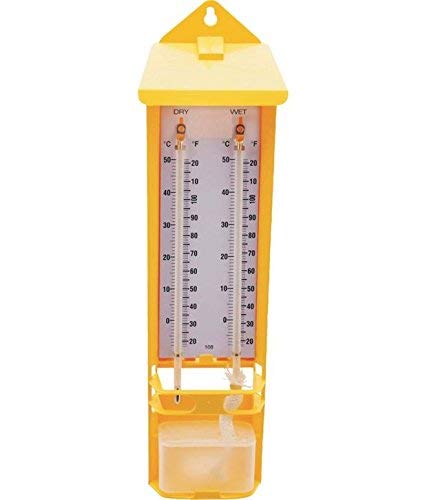
A Dry Bulb Thermometer is the most common type of thermometer used to measure ambient air temperature. It consists of a temperature-sensing bulb that remains exposed to the surrounding air and is not covered by a wet cloth or any other material.
The reading obtained from a dry bulb thermometer represents the actual temperature of the air in the environment.
How It Works
The thermometer absorbs heat from the surrounding air until it reaches thermal equilibrium. The temperature displayed indicates the ambient air temperature.
What It Measures
- Air temperature
- Ambient environmental temperature
- Indoor and outdoor atmospheric conditions
Common Applications
- Weather stations
- HVAC systems
- Offices and buildings
- Industrial facilities
- General environmental monitoring
Example
If the air temperature inside a workshop is 35°C, the dry bulb thermometer will display approximately 35°C.
What Is a Globe Thermometer?
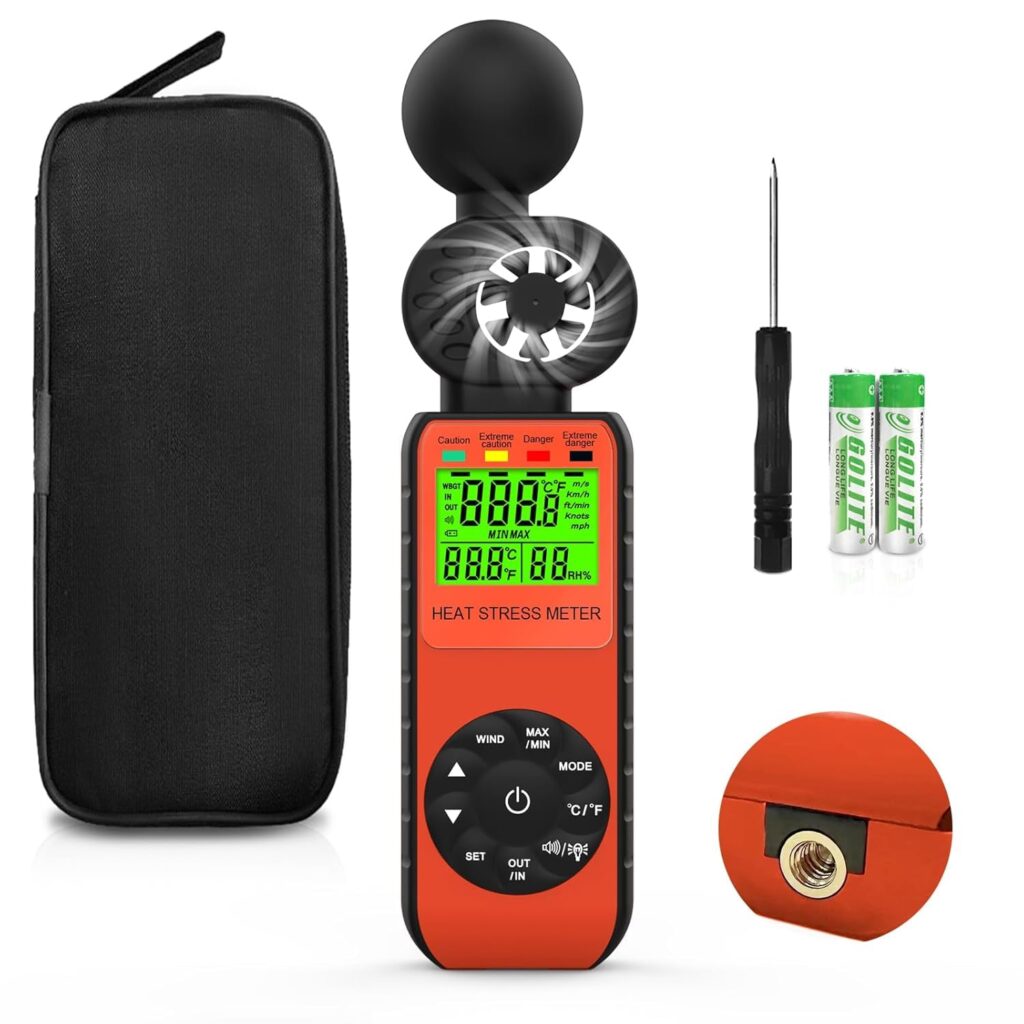
A Globe Thermometer is a specialized instrument used to measure radiant heat in an environment. It consists of a temperature sensor placed at the center of a hollow black globe, typically made of copper and painted matte black.
The black globe absorbs heat from surrounding surfaces, sunlight, machinery, and other radiant heat sources.
How It Works
The black globe absorbs:
- Solar radiation
- Heat emitted from machinery
- Heat reflected from surfaces
- Environmental radiant energy
The sensor inside the globe measures the combined effect of:
- Air temperature
- Radiant heat
What It Measures
- Mean radiant temperature
- Radiant heat load
- Combined effect of air temperature and radiation
Common Applications
- Heat stress assessments
- Construction sites
- Steel plants
- Foundries
- Outdoor work environments
- Occupational health monitoring
Example
Even if the air temperature is only 35°C, workers standing near a furnace may experience significantly higher heat exposure. The globe thermometer may record a temperature of 50°C or higher due to radiant heat from the furnace.
Why Is Radiant Heat Important?
Many people assume that air temperature alone determines how hot an environment feels. However, radiant heat can dramatically increase heat stress.
Consider these situations:
Situation 1
A worker is standing outdoors under direct sunlight.
Air Temperature: 35°C
Situation 2
A worker is standing indoors near a furnace.
Air Temperature: 35°C
Although both locations have the same air temperature, the worker near the furnace experiences much greater heat stress due to radiant heat.
The globe thermometer captures this additional thermal load, whereas the dry bulb thermometer does not.
Key Differences Between Dry Bulb Thermometer and Globe Thermometer
| Feature | Dry Bulb Thermometer | Globe Thermometer |
|---|---|---|
| Purpose | Measures air temperature | Measures radiant heat and environmental heat load |
| Sensor Exposure | Directly exposed to air | Enclosed inside black globe |
| Heat Sources Measured | Air temperature only | Air temperature plus radiant heat |
| Accuracy for Heat Stress | Limited | High |
| Used in WBGT Calculation | Yes | Yes |
| Indoor Use | Common | Specialized |
| Outdoor Use | Common | Common |
| Radiation Detection | No | Yes |
| Cost | Lower | Higher |
| Safety Applications | General monitoring | Heat stress assessment |
Components of a Dry Bulb Thermometer
A typical dry bulb thermometer contains:
Temperature Sensor
Measures ambient air temperature.
Protective Casing
Protects the sensing element.
Scale or Digital Display
Displays temperature readings.
Ventilation Exposure
Allows free air movement around the sensor.
Components of a Globe Thermometer
A globe thermometer contains:
Black Globe
Usually 150 mm in diameter and painted matte black.
Temperature Sensor
Placed at the center of the globe.
Support Structure
Holds the globe in position.
Data Display Unit
Shows measured globe temperature.
Role in Workplace Heat Stress Monitoring
Heat stress is one of the leading environmental hazards affecting workers worldwide.
Symptoms may include:
- Fatigue
- Dizziness
- Headache
- Heat cramps
- Heat exhaustion
- Heat stroke
To assess heat stress accurately, safety professionals use the Wet Bulb Globe Temperature (WBGT) index.
WBGT combines data from:
- Dry Bulb Temperature
- Natural Wet Bulb Temperature
- Globe Temperature
Without globe temperature measurements, heat stress calculations may underestimate actual worker exposure.
Dry Bulb Thermometer Advantages
1. Simple to Use
The instrument is straightforward and requires minimal training.
2. Affordable
Dry bulb thermometers are relatively inexpensive.
3. Widely Available
Available in digital and analog versions.
4. Reliable for Ambient Temperature
Provides accurate air temperature measurements.
Dry Bulb Thermometer Limitations
Does Not Measure Radiant Heat
It cannot detect heat emitted from machinery, sunlight, or hot surfaces.
Limited Heat Stress Assessment
Using air temperature alone can result in inaccurate risk evaluations.
Cannot Reflect Human Thermal Comfort Fully
Human comfort depends on several factors beyond air temperature.
Globe Thermometer Advantages
Measures Radiant Heat
Captures heat coming from all directions.
Better Heat Stress Evaluation
Provides realistic workplace heat exposure information.
Essential for WBGT Monitoring
A critical component of heat stress assessments.
Useful in Industrial Settings
Ideal for foundries, construction sites, and manufacturing facilities.
Globe Thermometer Limitations
Higher Cost
More expensive than dry bulb thermometers.
Slower Response Time
Requires time for the globe to reach thermal equilibrium.
Requires Proper Positioning
Incorrect placement can affect readings.
Industries That Commonly Use Globe Thermometers
Several industries rely heavily on globe thermometers for worker safety.
Construction Industry
Workers are often exposed to direct sunlight and reflected heat.
Steel Manufacturing
Radiant heat from molten metal significantly impacts workers.
Glass Manufacturing
Furnaces generate intense heat loads.
Mining Operations
Underground and surface mining environments can create heat stress conditions.
Power Plants
Boilers and turbines emit considerable radiant heat.
Oil and Gas Facilities
Workers may encounter extreme environmental temperatures.
Practical Example
Imagine two workers.
Worker A
Working inside an office.
- Air Temperature: 25°C
- Globe Temperature: 26°C
Heat stress risk is minimal.
Worker B
Working beside an industrial furnace.
- Air Temperature: 35°C
- Globe Temperature: 55°C
Despite a moderate air temperature, the worker faces significant heat stress because of radiant heat.
A dry bulb thermometer alone would fail to reveal this risk.
Best Practices for Temperature Monitoring
Organizations should follow these guidelines:
Use Multiple Measurements
Combine dry bulb, wet bulb, and globe temperature readings.
Monitor During Peak Heat Hours
Measure conditions during the hottest parts of the day.
Conduct Regular Assessments
Environmental conditions can change rapidly.
Train Employees
Workers should understand heat stress risks and symptoms.
Implement Control Measures
These may include:
- Hydration programs
- Rest breaks
- Shade structures
- Ventilation systems
- Heat stress awareness training
Choosing the Right Instrument
The choice depends on the objective.
Use a Dry Bulb Thermometer When:
- Measuring ambient temperature
- Monitoring indoor climate
- Conducting general environmental assessments
- Supporting HVAC operations
Use a Globe Thermometer When:
- Evaluating heat stress
- Assessing radiant heat exposure
- Conducting WBGT measurements
- Protecting workers in hot environments
In many cases, both instruments should be used together to obtain a complete picture of workplace conditions.
Conclusion
Although both the Dry Bulb Thermometer and Globe Thermometer measure temperature-related conditions, they are designed for different purposes. A Dry Bulb Thermometer measures only the surrounding air temperature, making it suitable for general environmental monitoring. A Globe Thermometer, on the other hand, measures the combined effect of air temperature and radiant heat, making it indispensable for heat stress assessments.
For industries where workers are exposed to high temperatures, relying solely on air temperature measurements can lead to an underestimation of heat-related risks. By incorporating globe temperature measurements into workplace monitoring programs, organizations can make more informed decisions, improve worker safety, and reduce the likelihood of heat-related illnesses.
As workplace temperatures continue to rise due to industrial processes and changing climate conditions, understanding the difference between these two instruments becomes increasingly important for every safety professional.
🔁 Readers also enjoyed these blog posts:
- Safety Management’s Role: The Unsung Hero Behind Every Successful Organization
- Safety Management and Its Responsibilities: Protecting People, Preventing Hazards, and Promoting a Culture of Care
- Benchmarking for Safety Performance: A Key to Continuous Improvement
“Start Your Website Journey Today – Exclusive Hostinger Discounts!”

Turn Any Idea into Viral,
Jaw-Dropping AI Videos in Seconds!