 by
by Why Ventilation Is More Than Just Fresh Air
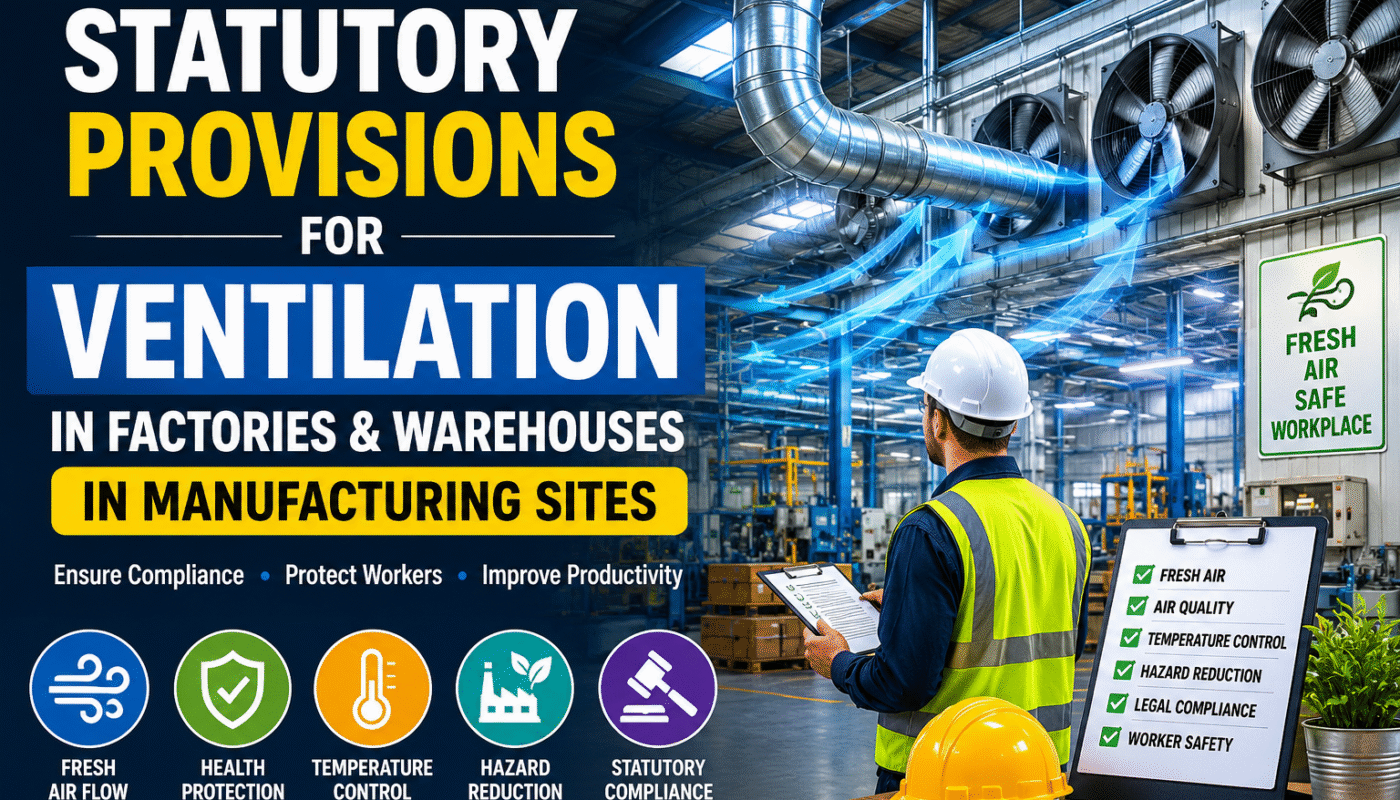
Walk into any busy manufacturing facility, warehouse, or industrial plant, and one of the first things you notice is the atmosphere. Sometimes it feels fresh and comfortable. Other times, the air may feel hot, stuffy, dusty, or even carry chemical odors. What many employers fail to realize is that ventilation is not merely a comfort factor—it is a statutory requirement and a critical workplace safety measure.
Proper ventilation protects workers from excessive heat, airborne contaminants, toxic fumes, dust particles, humidity, and oxygen deficiency. In modern industrial environments, where machinery, chemicals, and production processes generate heat and pollutants, ventilation becomes a cornerstone of occupational health and safety.
Governments and regulatory authorities across the world have established statutory provisions to ensure that factories and warehouses maintain adequate ventilation standards. Failure to comply can lead to worker illnesses, reduced productivity, legal penalties, and even catastrophic incidents.
This article explores the statutory provisions governing ventilation in factories and warehouses, the importance of compliance, key legal requirements, and practical strategies for manufacturing facilities.
Understanding Workplace Ventilation
Ventilation refers to the process of supplying fresh air and removing stale, contaminated, or hazardous air from an enclosed workplace.
The primary objectives of ventilation are:
- Maintaining adequate oxygen levels
- Removing dust, fumes, smoke, and vapors
- Controlling temperature and humidity
- Reducing airborne contaminants
- Preventing accumulation of hazardous gases
- Improving employee comfort and productivity
Ventilation systems can be broadly categorized into:
Natural Ventilation
Natural ventilation relies on openings such as:
- Windows
- Roof ventilators
- Louvers
- Vents
- Open doors
Air movement occurs naturally through wind pressure and temperature differences.
Mechanical Ventilation
Mechanical systems use equipment such as:
- Exhaust fans
- Supply fans
- Air handling units
- HVAC systems
- Industrial blowers
- Local exhaust ventilation (LEV) systems
Mechanical ventilation is commonly required where hazardous substances are generated.
Legal Framework Governing Ventilation in Manufacturing Sites
Many countries have workplace safety laws that specifically address ventilation requirements.
In India, ventilation provisions are primarily covered under:
The Factories Act, 1948
Section 13 of the Factories Act specifically addresses ventilation and temperature control.
The Act mandates that:
Effective and suitable provisions shall be made for securing and maintaining adequate ventilation by the circulation of fresh air.
The objective is to ensure workers are protected from excessive heat and unhealthy air conditions.
Occupational Safety, Health and Working Conditions (OSHWC) Code, 2020
The OSHWC Code consolidates various labor laws and continues the emphasis on:
- Adequate ventilation
- Thermal comfort
- Air quality management
- Occupational health protection
Employers are required to provide safe and healthy working conditions.
Section 13 of the Factories Act: Ventilation and Temperature
Section 13 lays down specific requirements for factory occupiers.
The law requires that:
1. Adequate Fresh Air Circulation
Factories must ensure a continuous supply of fresh air throughout workrooms.
The objective is to:
- Remove stale air
- Dilute contaminants
- Maintain oxygen concentration
2. Comfortable Working Temperature
The law requires employers to maintain a reasonable temperature suitable for workers.
This includes:
- Reducing excessive heat
- Controlling humidity
- Preventing heat stress
3. Prevention of Excessive Heat
Where processes generate significant heat, employers must take measures such as:
- Insulation of hot surfaces
- Installation of exhaust systems
- Heat shields
- Mechanical ventilation
4. Government-Prescribed Standards
State governments may prescribe standards relating to:
- Ventilation rates
- Temperature limits
- Humidity levels
- Air circulation requirements
Factories must comply with these specific rules.
Statutory Requirements for Warehouse Ventilation
Warehouses often store:
- Raw materials
- Chemicals
- Finished goods
- Packaging materials
- Flammable substances
Ventilation requirements become particularly important when handling:
- Volatile chemicals
- Combustible dust
- Solvents
- Agricultural products
- Refrigerated goods
Typical statutory expectations include:
Adequate Air Exchange
Air should be regularly replaced to prevent pollutant accumulation.
Moisture Control
Poor ventilation can lead to:
- Mold growth
- Corrosion
- Product damage
Hazardous Gas Removal
Warehouses storing chemicals may require:
- Mechanical exhaust systems
- Gas detection systems
- Emergency ventilation arrangements
Fire and Explosion Prevention
Ventilation helps reduce accumulation of flammable vapors that could trigger fires or explosions.
Importance of Local Exhaust Ventilation (LEV)
General ventilation is often insufficient in manufacturing environments.
Local Exhaust Ventilation (LEV) systems are required when contaminants are generated at a specific source.
Examples include:
- Welding stations
- Grinding operations
- Painting booths
- Chemical mixing areas
- Battery charging rooms
An LEV system typically consists of:
Hood
Captures contaminants at source.
Ductwork
Transports contaminated air.
Air Cleaner
Filters or cleans the air.
Fan
Provides airflow.
Exhaust Outlet
Discharges cleaned air safely.
LEV systems significantly reduce worker exposure to hazardous substances.
Common Industrial Hazards Controlled Through Ventilation
Dust
Generated from:
- Cement manufacturing
- Woodworking
- Mining operations
- Food processing
Excessive dust can cause respiratory diseases.
Chemical Vapors
Produced during:
- Painting
- Solvent use
- Chemical processing
Exposure may cause:
- Headaches
- Dizziness
- Long-term health issues
Fumes
Generated by:
- Welding
- Metal cutting
- Soldering
Proper ventilation prevents inhalation of toxic metals.
Heat Stress
Common in:
- Foundries
- Glass manufacturing
- Steel plants
Ventilation helps reduce worker fatigue and heat-related illnesses.
Ventilation Standards and Air Changes Per Hour (ACH)
Many industrial guidelines specify Air Changes Per Hour (ACH).
ACH refers to the number of times air within a space is replaced in one hour.
Typical recommendations include:
| Area Type | Recommended ACH |
|---|---|
| General Warehouse | 4-8 ACH |
| Manufacturing Area | 6-12 ACH |
| Chemical Storage | 8-15 ACH |
| Welding Shop | 10-20 ACH |
| Paint Booth | 20+ ACH |
Actual requirements vary depending on local regulations and process hazards.
Employer Responsibilities Under Statutory Provisions
Employers have a legal duty to ensure workplace ventilation systems are:
Properly Designed
Ventilation must match operational requirements.
Regularly Maintained
Maintenance should include:
- Filter replacement
- Fan inspection
- Duct cleaning
- Airflow verification
Periodically Monitored
Monitoring may involve:
- Temperature measurements
- Humidity monitoring
- Air quality testing
- Dust concentration assessments
Documented
Records should be maintained for:
- Inspection reports
- Maintenance logs
- Air quality measurements
- Compliance audits
Consequences of Non-Compliance
Ignoring ventilation requirements can result in serious consequences.
Health Impacts
Workers may experience:
- Respiratory diseases
- Heat exhaustion
- Eye irritation
- Allergic reactions
- Reduced productivity
Legal Penalties
Regulatory authorities may impose:
- Fines
- Compliance notices
- Factory closure orders
- Prosecution of occupiers
Business Losses
Poor ventilation often leads to:
- Higher absenteeism
- Lower productivity
- Equipment damage
- Increased insurance costs
Best Practices for Manufacturing Facilities
Organizations should go beyond minimum compliance requirements.
Conduct Ventilation Risk Assessments
Evaluate:
- Process hazards
- Airflow patterns
- Worker exposure levels
Install Air Quality Monitoring Systems
Real-time monitoring provides early warning of unsafe conditions.
Use Energy-Efficient Ventilation
Modern systems improve air quality while reducing energy costs.
Train Employees
Workers should understand:
- Ventilation system purpose
- Warning signs of poor air quality
- Emergency procedures
Perform Regular Audits
Periodic audits help identify deficiencies before they become regulatory violations.
Emerging Trends in Industrial Ventilation
Modern manufacturing facilities are adopting advanced technologies such as:
Smart Ventilation Systems
These automatically adjust airflow based on:
- Occupancy
- Temperature
- Air quality levels
IoT-Based Monitoring
Sensors continuously monitor:
- Carbon dioxide
- Particulate matter
- Humidity
- Temperature
Energy Recovery Ventilation
ERV systems improve efficiency by recovering energy from exhausted air.
AI-Powered Predictive Maintenance
Artificial intelligence helps predict equipment failures before breakdowns occur.
Frequently Asked Questions (FAQs)
Is ventilation mandatory in factories?
Yes. Statutory provisions under workplace safety laws require adequate ventilation to protect worker health and maintain safe working conditions.
Which section of the Factories Act deals with ventilation?
Section 13 of the Factories Act, 1948 specifically addresses ventilation and temperature requirements.
What is Local Exhaust Ventilation?
Local Exhaust Ventilation (LEV) captures contaminants directly at the source before they enter the workplace atmosphere.
Why is ventilation important in warehouses?
Ventilation prevents accumulation of dust, moisture, hazardous gases, and flammable vapors while protecting products and employees.
Can poor ventilation result in legal action?
Yes. Regulatory authorities can impose fines, issue notices, suspend operations, or prosecute responsible persons for non-compliance.
Conclusion
Ventilation is one of the most fundamental yet often overlooked aspects of workplace safety in manufacturing facilities and warehouses. Statutory provisions are not merely regulatory obligations; they are essential safeguards that protect workers from harmful contaminants, excessive heat, and unhealthy working conditions.
Compliance with ventilation requirements under the Factories Act, the OSHWC Code, and related industrial safety regulations helps organizations create healthier, safer, and more productive workplaces. By investing in proper ventilation systems, regular maintenance, and continuous monitoring, businesses not only meet legal requirements but also improve operational efficiency and employee well-being.
As manufacturing processes become more sophisticated and environmental standards continue to evolve, proactive ventilation management will remain a critical component of sustainable industrial operations.
🔁 Readers also enjoyed these blog posts:
- Safety Management’s Role: The Unsung Hero Behind Every Successful Organization
- Safety Management and Its Responsibilities: Protecting People, Preventing Hazards, and Promoting a Culture of Care
- Benchmarking for Safety Performance: A Key to Continuous Improvement
“Start Your Website Journey Today – Exclusive Hostinger Discounts!”

Turn Any Idea into Viral,
Jaw-Dropping AI Videos in Seconds!