 by
by INTRODUCTION
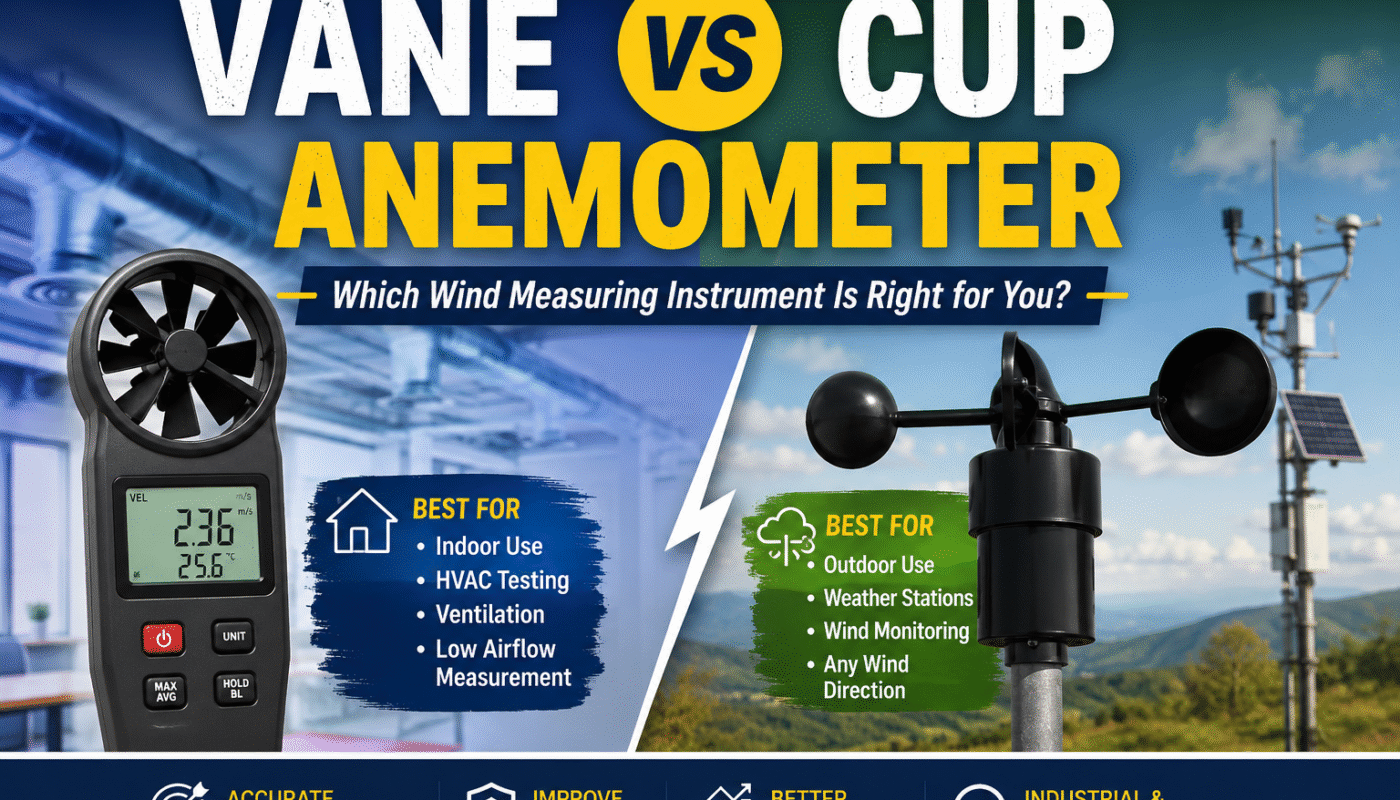
Wind is invisible, yet it plays a critical role in everything from weather forecasting and environmental studies to industrial safety and ventilation assessments. To measure wind speed accurately, professionals rely on specialized instruments known as anemometers.
Among the most commonly used types are the vane anemometer and the cup anemometer. While both are designed to measure air velocity, they differ significantly in design, working principle, accuracy, applications, and suitability for different environments.
If you’ve ever wondered which instrument is better for your specific needs, this comprehensive guide will help you understand the differences between vane and cup anemometers and make an informed choice.
What Is an Anemometer?
An anemometer is a device used to measure the speed and sometimes the direction of airflow or wind. The instrument is widely used in:
- Weather monitoring stations
- Industrial workplaces
- HVAC systems
- Mining operations
- Construction sites
- Environmental studies
- Heat stress assessments
- Renewable energy projects
Accurate wind speed measurements help organizations maintain safety, improve efficiency, and comply with regulatory standards.
What Is a Vane Anemometer?
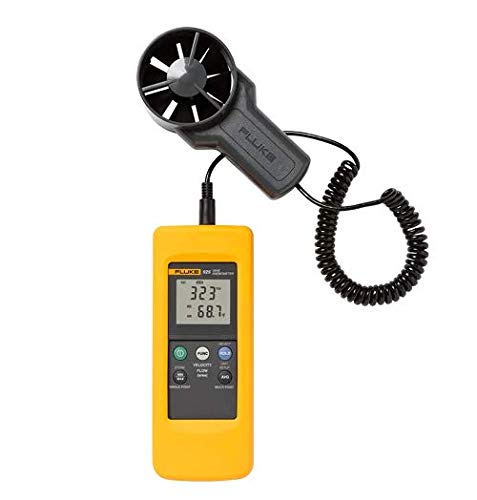
A vane anemometer, often called a propeller anemometer, uses a rotating fan or propeller to measure airflow velocity.
When air passes through the vane, it causes the blades to rotate. The rotational speed is then converted into a wind speed reading displayed on the instrument.
Main Components of a Vane Anemometer
- Rotating vane or propeller
- Digital display
- Air velocity sensor
- Electronic processing unit
- Data logging capability (in advanced models)
How It Works
The airflow strikes the vane blades, causing them to rotate. The faster the airflow, the faster the vane rotates. Internal sensors calculate the rotational speed and convert it into a measurable airflow value.
Common Applications
- HVAC system testing
- Indoor air quality assessments
- Ventilation studies
- Laboratory airflow measurements
- Occupational hygiene monitoring
What Is a Cup Anemometer?
A cup anemometer is one of the oldest and most widely recognized wind-measuring instruments.
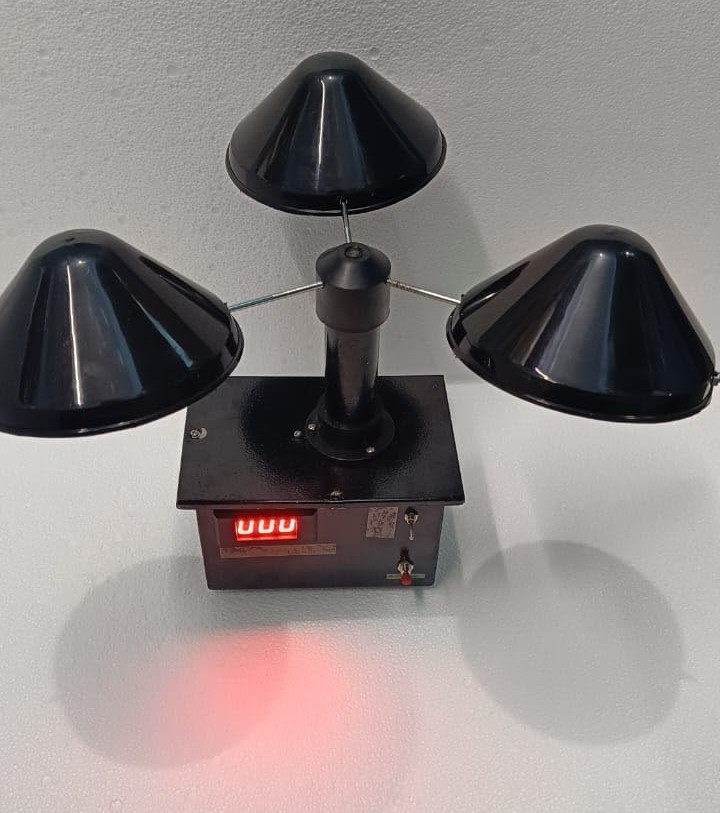
It consists of three or four hemispherical cups mounted on horizontal arms attached to a vertical shaft. As wind pushes against the cups, the assembly rotates.
The speed of rotation is proportional to the wind speed.
Main Components of a Cup Anemometer
- Three or four cups
- Rotating shaft
- Bearing assembly
- Wind speed sensor
- Data recording system
How It Works
Wind exerts force on the cups, causing them to rotate around the vertical axis. Sensors monitor the rotational speed and calculate the corresponding wind velocity.
Common Applications
- Meteorological stations
- Wind energy assessments
- Environmental monitoring
- Airport weather systems
- Outdoor wind surveys
Key Differences Between Vane Anemometer and Cup Anemometer
1. Design and Construction
Vane Anemometer
- Uses a propeller-like fan
- Compact and portable
- Often handheld
- Designed for directional airflow measurement
Cup Anemometer
- Uses three or four cups mounted on arms
- Generally fixed in position
- Larger structure
- Designed for outdoor wind measurement
Winner
For portability and convenience, the vane anemometer takes the lead.
2. Measurement Principle
Vane Anemometer
Measures airflow directly through the rotation of a propeller aligned with the airflow direction.
Cup Anemometer
Measures wind speed based on the rotation of cups caused by wind pressure differences.
Winner
Both are effective, but each is optimized for different airflow conditions.
3. Direction Sensitivity
Vane Anemometer
The instrument must generally face the airflow direction for accurate readings.
Cup Anemometer
Can measure wind speed regardless of wind direction due to its symmetrical design.
Winner
Cup anemometer.
This feature makes it ideal for outdoor meteorological applications where wind direction changes frequently.
4. Accuracy in Low Airflow
Vane Anemometer
Performs exceptionally well in low-speed airflow environments.
Cup Anemometer
May be less sensitive to very low wind speeds depending on the design.
Winner
Vane anemometer.
5. Indoor vs Outdoor Use
Vane Anemometer
Perfect for:
- HVAC inspections
- Ventilation measurements
- Clean rooms
- Indoor safety assessments
Cup Anemometer
Best suited for:
- Weather stations
- Wind farms
- Outdoor environmental studies
- Open-field measurements
Winner
Depends on the application.
Indoor: Vane Anemometer
Outdoor: Cup Anemometer
6. Portability
Vane Anemometer
- Lightweight
- Handheld
- Battery operated
- Easy to carry
Cup Anemometer
- Usually installed permanently
- Requires mounting equipment
- Less portable
Winner
Vane anemometer.
7. Durability
Vane Anemometer
Suitable for routine industrial use but may be vulnerable to dust accumulation and blade damage.
Cup Anemometer
Designed to withstand harsh outdoor conditions including:
- Rain
- Dust
- Heat
- Wind exposure
Winner
Cup anemometer.
8. Maintenance Requirements
Vane Anemometer
Requires periodic cleaning of blades and sensors.
Cup Anemometer
Requires inspection of bearings and moving parts, especially after prolonged outdoor exposure.
Winner
Tie.
Both require regular maintenance to ensure measurement accuracy.
Comparison Table: Vane vs Cup Anemometer
| Feature | Vane Anemometer | Cup Anemometer |
|---|---|---|
| Design | Propeller/Vane | Rotating Cups |
| Portability | High | Low |
| Indoor Use | Excellent | Limited |
| Outdoor Use | Moderate | Excellent |
| Direction Sensitivity | Yes | No |
| Low Airflow Measurement | Excellent | Good |
| Durability | Good | Excellent |
| Weather Monitoring | Limited | Excellent |
| HVAC Testing | Excellent | Poor |
| Wind Farm Applications | Limited | Excellent |
Advantages of a Vane Anemometer
Highly Portable
Safety professionals can easily carry it during inspections and surveys.
Excellent for Ventilation Assessments
Provides reliable airflow measurements in ducts and ventilation systems.
User-Friendly
Modern models feature:
- Digital displays
- Data logging
- Bluetooth connectivity
- Mobile app integration
Accurate at Low Air Speeds
Ideal for indoor environments where airflow is relatively slow.
Advantages of a Cup Anemometer
Handles Variable Wind Directions
No need to manually align the instrument with the wind.
Durable Outdoor Performance
Can operate continuously in challenging weather conditions.
Reliable Long-Term Monitoring
Widely used in permanent weather monitoring installations.
Industry Standard
Meteorological organizations worldwide trust cup anemometers for wind speed data collection.
Limitations of Vane Anemometers
While highly versatile, vane anemometers have certain limitations:
- Must be aligned with airflow
- Less suitable for continuous outdoor monitoring
- Sensitive to blade contamination
- May be affected by turbulent airflow
Limitations of Cup Anemometers
Cup anemometers also have drawbacks:
- Not ideal for indoor airflow testing
- Less portable
- Requires installation infrastructure
- Can experience bearing wear over time
Choosing the Right Anemometer
Selecting the right instrument depends entirely on your intended application.
Choose a Vane Anemometer If:
✔ You perform HVAC inspections.
✔ You conduct indoor airflow studies.
✔ You need a portable device.
✔ You measure ventilation effectiveness.
✔ You conduct workplace heat stress assessments indoors.
Choose a Cup Anemometer If:
✔ You monitor outdoor weather conditions.
✔ You operate a weather station.
✔ You assess wind resources for renewable energy projects.
✔ You require long-term environmental monitoring.
✔ You need measurements regardless of wind direction.
Role of Anemometers in Workplace Safety
Many industries use anemometers as part of their occupational health and safety programs.
Examples include:
Heat Stress Management
Air velocity directly affects worker comfort and heat stress risk. Measuring airflow helps safety professionals determine whether cooling measures are effective.
Ventilation Verification
Proper ventilation reduces exposure to:
- Dust
- Fumes
- Gases
- Airborne contaminants
Confined Space Monitoring
Airflow measurements help ensure safe atmospheric conditions in confined spaces.
Construction Safety
Wind speed monitoring helps determine safe conditions for:
- Crane operations
- Elevated work platforms
- Scaffolding work
Future Trends in Wind Measurement Technology
Modern anemometers are becoming smarter and more connected.
Emerging features include:
- Wireless data transmission
- Cloud-based monitoring
- Real-time dashboards
- AI-powered analytics
- Remote calibration alerts
- Internet of Things (IoT) integration
These innovations are improving the accuracy, accessibility, and usefulness of wind measurement data across industries.
Final Thoughts
Although both vane anemometers and cup anemometers are designed to measure wind speed, they serve different purposes.
A vane anemometer excels in indoor airflow assessments, HVAC testing, and workplace ventilation studies. Its portability and sensitivity make it a favorite among safety professionals and technicians.
A cup anemometer, on the other hand, shines in outdoor environments. Its ability to measure wind speed regardless of direction and withstand harsh weather conditions makes it the preferred choice for meteorological and environmental applications.
Understanding the strengths and limitations of each instrument ensures that you select the right tool for the job, resulting in more accurate measurements, improved safety, and better operational decisions.
Whether you’re monitoring workplace ventilation or tracking weather patterns, choosing the correct anemometer can make all the difference.
🔁 Readers also enjoyed these blog posts:
- Safety Management’s Role: The Unsung Hero Behind Every Successful Organization
- Safety Management and Its Responsibilities: Protecting People, Preventing Hazards, and Promoting a Culture of Care
- Benchmarking for Safety Performance: A Key to Continuous Improvement
“Start Your Website Journey Today – Exclusive Hostinger Discounts!”

Turn Any Idea into Viral,
Jaw-Dropping AI Videos in Seconds!