 by
by Introduction: Why Cold Stress Deserves Your Attention
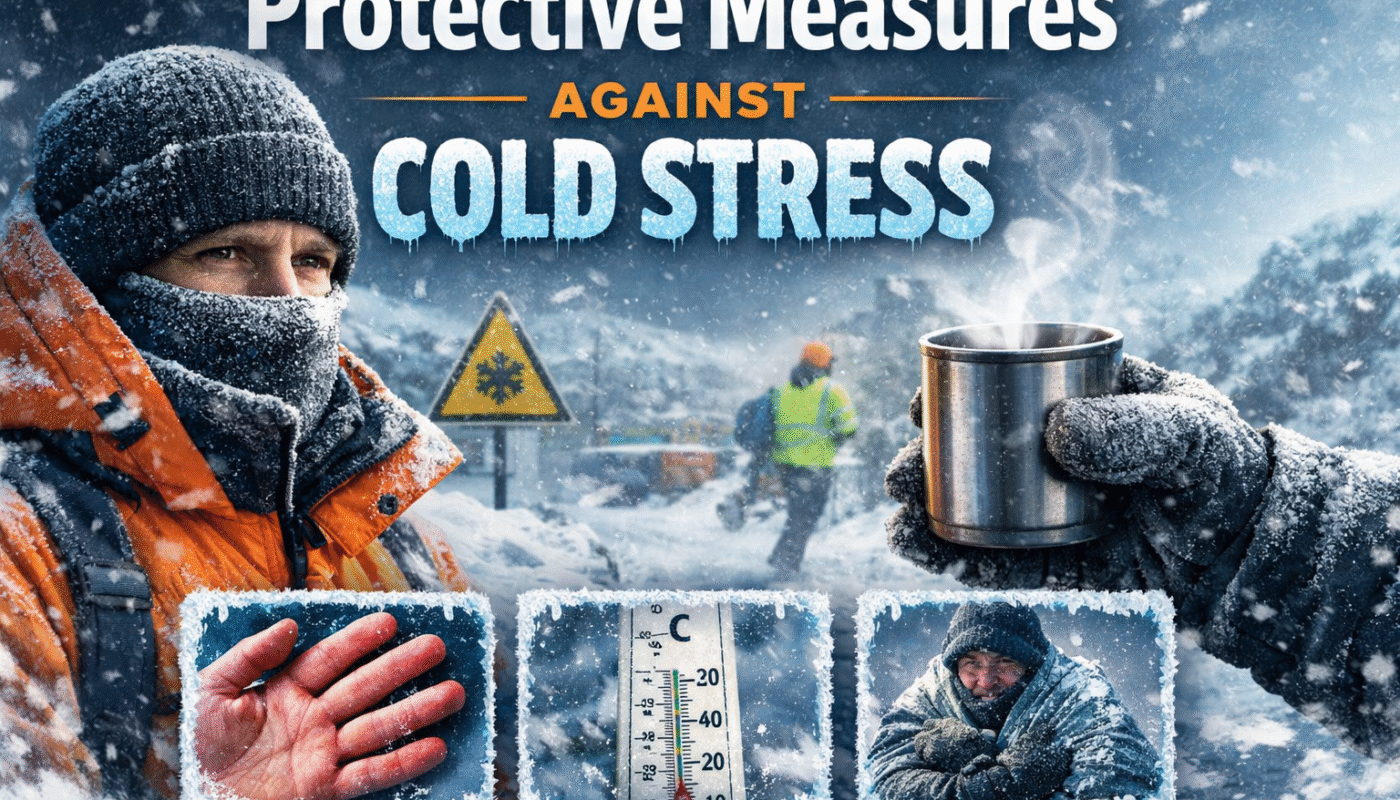
Cold weather can be refreshing, even magical—but when temperatures drop too low, it can quickly become dangerous. Whether you’re working outdoors, traveling in winter conditions, or simply caught in an unexpected cold snap, understanding how to protect yourself against cold stress is essential.
Cold stress occurs when the body loses heat faster than it can produce it. This can lead to serious health issues such as hypothermia, frostbite, trench foot, and even death in extreme cases. The good news? With the right knowledge and preparation, most cold-related risks are entirely preventable.
In this guide, we’ll explore practical, real-world strategies to help you stay safe, warm, and healthy—even in the harshest winter conditions.
What Is Cold Stress?
Cold stress isn’t just about feeling uncomfortable in chilly weather—it’s a condition where your body struggles to maintain its core temperature. This can happen in both outdoor and indoor environments, especially when there is:
- Low temperature
- High wind (wind chill effect)
- Damp or wet conditions
- Inadequate clothing
Your body naturally tries to maintain a temperature of around 37°C (98.6°F). When exposed to cold environments, it works harder to conserve heat. If it fails, your body temperature begins to drop, leading to dangerous conditions.
Common Types of Cold Stress Conditions
Understanding the different types of cold stress is key to recognizing and preventing them early.
1. Hypothermia
This occurs when your body temperature drops below 35°C (95°F). Early signs include shivering, confusion, and fatigue. Severe hypothermia can lead to unconsciousness.
2. Frostbite
Frostbite affects exposed skin, especially fingers, toes, ears, and nose. It causes tissues to freeze and can result in permanent damage.
3. Trench Foot
Also known as immersion foot, this condition happens when feet are exposed to wet and cold conditions for prolonged periods.
4. Chilblains
Painful inflammation of small blood vessels in the skin caused by repeated exposure to cold but not freezing temperatures.
Who Is at Risk?
Cold stress can affect anyone, but certain groups are more vulnerable:
- Outdoor workers (construction, agriculture, delivery personnel)
- Elderly individuals
- Children
- People with chronic illnesses
- Homeless individuals
- Mountaineers and travelers
Even healthy individuals can be at risk if they’re unprepared or exposed for long durations.
Warning Signs You Should Never Ignore
Recognizing symptoms early can save lives. Watch for:
- Intense shivering
- Slurred speech
- Loss of coordination
- Pale or waxy skin
- Numbness in extremities
- Confusion or drowsiness
If you or someone else shows these signs, immediate action is required.
Top Protective Measures Against Cold Stress
Let’s get into the most important part—how to actually protect yourself.
1. Dress Smart: Layering Is Your Best Friend
One thick jacket isn’t as effective as multiple layers. Proper layering traps heat and keeps moisture away.
The 3-layer rule:
- Base layer: Moisture-wicking (keeps sweat away)
- Middle layer: Insulation (retains body heat)
- Outer layer: Windproof and waterproof
Pro Tip: Avoid cotton—it absorbs moisture and makes you colder.
2. Keep Your Extremities Covered
Most body heat escapes through exposed skin.
Make sure to wear:
- Insulated gloves
- Wool socks
- Thermal caps or beanies
- Scarves or face covers
Your fingers, toes, ears, and nose are the most vulnerable to frostbite.
3. Stay Dry at All Costs
Wet clothing accelerates heat loss dramatically.
- Change out of wet clothes immediately
- Use waterproof outerwear
- Carry spare clothing if you’re outdoors for long periods
Even sweat can make you cold—so balance your activity level.
4. Fuel Your Body with Warm Nutrition
Your body needs energy to generate heat.
- Eat high-calorie, warm meals
- Drink warm fluids like tea or soup
- Avoid alcohol—it gives a false sense of warmth but lowers body temperature
Hydration is just as important in cold weather as in hot climates.
5. Take Frequent Breaks in Warm Areas
If you’re working or spending long hours outside:
- Take breaks in heated shelters
- Use warming stations if available
- Avoid prolonged exposure without rest
Even short warm-up breaks can make a big difference.
6. Monitor Weather Conditions
Never underestimate the weather.
- Check forecasts before heading out
- Pay attention to wind chill warnings
- Avoid outdoor activities during extreme cold alerts
Planning ahead is one of the simplest yet most effective safety measures.
7. Use Proper Equipment and Gear
If you’re working outdoors or in extreme conditions, invest in:
- Thermal wear
- Insulated boots
- Hand and foot warmers
- Heated jackets (for extreme environments)
Quality gear can be life-saving—not just comfortable.
8. Stay Active—but Don’t Overdo It
Movement helps generate body heat, but overexertion can lead to sweating, which cools your body down.
- Maintain moderate activity
- Avoid exhaustion
- Take breaks when needed
Balance is key.
9. Work in Teams or Buddy System
If you’re in a high-risk environment:
- Never work alone
- Monitor each other for symptoms
- Ensure quick help is available in emergencies
A second pair of eyes can catch warning signs you might miss.
10. Know First Aid for Cold Stress
Being prepared can save lives.
For hypothermia:
- Move to a warm place
- Remove wet clothing
- Warm the body gradually
- Seek medical help immediately
For frostbite:
- Do not rub the affected area
- Warm it gently using body heat or lukewarm water
- Avoid direct heat sources
Cold Stress in the Workplace: What Employers Should Do
Employers have a responsibility to protect workers exposed to cold environments.
Key Responsibilities:
- Provide proper protective clothing
- Schedule work/rest cycles
- Offer heated shelters
- Train workers to recognize symptoms
- Monitor weather conditions
Creating a safety-first culture reduces risks significantly.
Simple Everyday Tips to Stay Warm
Even if you’re not working outdoors, these tips can help:
- Keep your home insulated
- Use blankets and heaters safely
- Wear socks indoors
- Drink warm beverages regularly
- Avoid sudden temperature changes
Small habits go a long way in staying comfortable and safe.
Myths About Cold Weather (Debunked)
Let’s clear up some common misconceptions:
Myth 1: Alcohol keeps you warm
Reality: It lowers your core temperature.
Myth 2: You don’t need sunscreen in winter
Reality: UV rays are still harmful, especially in snow.
Myth 3: Only freezing temperatures are dangerous
Reality: Cold stress can occur even in cool, damp conditions.
Why Awareness Matters More Than Ever
With changing climate patterns, unexpected cold waves are becoming more common—even in regions that aren’t used to extreme cold.
Being prepared isn’t just for snowy countries anymore. Awareness, preparation, and smart habits can protect you and your loved ones from serious health risks.
Final Thoughts: Stay Warm, Stay Safe
Cold stress is serious—but it’s also preventable. By understanding the risks and taking simple, proactive measures, you can enjoy winter without compromising your health.
Remember:
- Dress in layers
- Stay dry
- Eat well
- Watch for warning signs
- Take breaks and stay informed
Your safety starts with awareness—and now, you’re already one step ahead.
Frequently Asked Questions (FAQs)
Q1: What temperature is considered dangerous for cold stress?
Temperatures below 10°C (50°F), especially with wind and moisture, can increase risk.
Q2: How quickly can hypothermia occur?
It can develop in minutes in extreme conditions, especially if you’re wet.
Q3: Can cold stress happen indoors?
Yes, especially in poorly heated or damp environments.
Share & Stay Safe
If you found this article helpful, share it with friends, coworkers, and family. Awareness can save lives—especially during the colder months.
Stay warm, stay prepared, and take care of yourself this winter!
🔁 Readers also enjoyed these blog posts:
- Safety Management’s Role: The Unsung Hero Behind Every Successful Organization
- Safety Management and Its Responsibilities: Protecting People, Preventing Hazards, and Promoting a Culture of Care
- Benchmarking for Safety Performance: A Key to Continuous Improvement
“Start Your Website Journey Today – Exclusive Hostinger Discounts!”

Turn Any Idea into Viral,
Jaw-Dropping AI Videos in Seconds!