 by
by Introduction
Lighting is often overlooked in workplace safety and productivity discussions. Most people focus on machinery, personal protective equipment (PPE), or emergency protocols, but lighting plays a critical role in both safety and employee efficiency. Proper illumination reduces accidents, enhances focus, and creates a pleasant work environment.
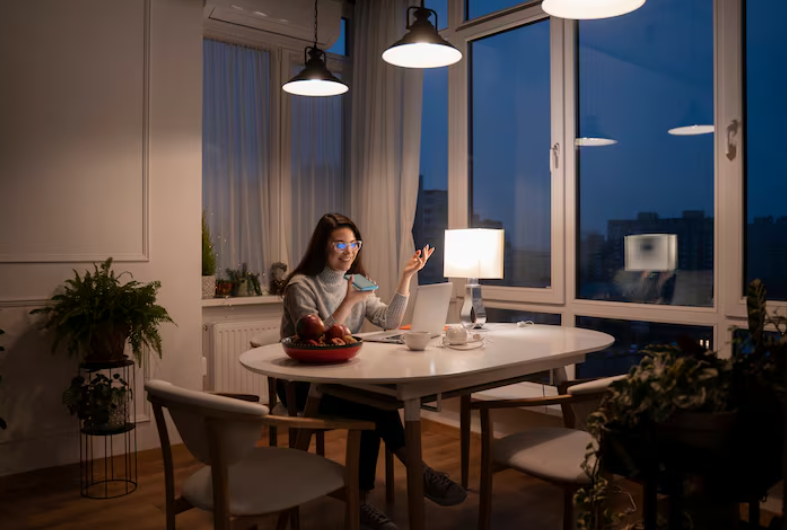
In modern workplaces, two main types of lighting coexist: day (natural) lighting and artificial lighting. Both have distinct advantages and challenges, and when designed effectively, they complement each other to create safer, healthier, and more productive workspaces.
In this article, we will explore the importance of lighting in workplaces, the benefits and challenges of natural and artificial lighting, recommended standards, and practical tips to implement effective illumination strategies.
🌞 Understanding Day (Natural) Lighting
Natural lighting comes from sunlight entering a building through windows, skylights, or other openings. Unlike artificial lighting, it is dynamic and changes throughout the day, offering both benefits and considerations for workplace design.
Benefits of Natural Lighting
- Improved Safety
- Daylight provides uniform visibility in most areas, reducing the risk of slips, trips, and falls.
- Properly positioned windows prevent dark corners or shadowed areas that could cause accidents.
- Enhanced Productivity
- Studies show that employees exposed to natural light are more alert, focused, and efficient.
- Natural light positively affects circadian rhythms, which helps regulate sleep, mood, and energy levels.
- Energy Efficiency
- Using daylight reduces dependency on artificial lighting, cutting electricity costs.
- Health and Well-being
- Sunlight is a source of Vitamin D, which promotes bone health and immunity.
- Exposure to natural light reduces eye strain and headaches caused by harsh artificial lighting.
Challenges of Daylight in Workplaces
- Glare: Direct sunlight can create glare on computer screens or shiny surfaces, causing discomfort.
- Heat Gain: Large windows can increase indoor temperatures, affecting comfort and energy use for cooling systems.
- Variability: Natural lighting fluctuates with weather, season, and time of day, requiring adaptive lighting solutions.
- Limited Penetration: Deep interior spaces may not receive sufficient daylight, requiring supplemental lighting.
Maximizing Natural Lighting in the Workplace
- Window Placement and Design
- Large windows and skylights should be positioned to allow daylight while minimizing glare.
- Use light shelves or reflective surfaces to direct sunlight deeper into the room.
- Daylight Control Systems
- Install blinds, shades, or films to control glare and heat gain.
- Automated systems can adjust artificial lighting based on available daylight.
- Reflective Interior Surfaces
- Light-colored walls, ceilings, and floors enhance daylight distribution.
- Workstation Positioning
- Place desks perpendicular to windows to minimize direct glare on screens.
💡 Artificial Lighting in the Workplace
Artificial lighting is essential for consistent illumination in areas where natural light is insufficient or unavailable. It includes incandescent, fluorescent, LED, and specialized task lighting.
Advantages of Artificial Lighting
- Consistent Visibility
- Provides uniform illumination regardless of time, weather, or season.
- Ensures high visibility in areas with limited or no access to natural light, such as basements, storage rooms, and factories.
- Task-Specific Lighting
- Allows precise lighting for high-accuracy tasks, such as quality inspections or assembly work.
- Emergency Preparedness
- Artificial lighting systems include emergency lights that ensure visibility during power outages or emergencies.
- Design Flexibility
- Lights can be positioned and controlled to meet specific workplace needs and standards.
Types of Artificial Lighting
| Type | Description | Applications |
|---|---|---|
| Incandescent | Traditional bulbs producing warm light | Low-cost, decorative areas (less energy-efficient) |
| Fluorescent | Tubular lights, energy-efficient | Offices, classrooms, general industrial areas |
| LED (Light Emitting Diode) | Long-lasting, energy-efficient, bright | All types of workplaces, task-specific lighting |
| Task Lighting | Focused lights for specific workstations | Precision work like electronics assembly, laboratory tasks |
| Emergency Lighting | Battery-operated or backup systems | Exits, corridors, hazardous areas |
Challenges of Artificial Lighting
- Glare and Flicker: Poorly designed lighting can cause visual discomfort or headaches.
- Energy Costs: Older lighting systems consume more energy.
- Maintenance: Burnt-out bulbs or dusty fixtures reduce efficiency.
- Color Rendering: Some artificial lights may distort colors, affecting quality inspections.
🔹 Combining Natural and Artificial Lighting
The best workplaces combine daylighting with artificial lighting to ensure optimal illumination at all times.
Benefits of a Hybrid Approach
- Energy Savings
- Daylight reduces artificial lighting needs during daytime hours.
- Consistency
- Artificial lighting supplements daylight in deeper areas or on cloudy days.
- Improved Safety and Comfort
- Prevents dark spots, glare, and shadows that could cause accidents.
Implementing Effective Hybrid Lighting
- Use daylight sensors that automatically dim artificial lights when sufficient daylight is available.
- Employ zoned lighting, where lights can be adjusted based on specific areas’ requirements.
- Combine diffused natural light with soft artificial lighting to create comfortable workspaces.
- Conduct regular illumination audits to ensure lighting meets recommended standards.
📊 Recommended Standards of Illumination
Proper lighting is not just about comfort—it’s a safety requirement. Recommended illumination levels vary depending on the type of work:
General Areas
| Area | Illumination (Lux) |
|---|---|
| Corridors, stairways | 100 – 150 lux |
| Storage areas | 100 lux |
| Entrances & exits | 200 lux |
Industrial Workplaces
| Task | Illumination (Lux) |
|---|---|
| Rough assembly | 150 – 200 lux |
| Machine shops | 300 – 500 lux |
| Quality inspections | 500 – 1000 lux |
| Fine assembly | 1000 – 2000 lux |
Offices and Classrooms
| Task | Illumination (Lux) |
|---|---|
| General office work | 300 – 500 lux |
| Computer workstations | 300 lux (with glare control) |
| Classrooms & labs | 500 – 1000 lux |
Healthcare Facilities
| Area | Illumination (Lux) |
|---|---|
| Patient rooms | 150 – 300 lux |
| Nurses’ stations | 300 – 500 lux |
| Operating rooms | 1000 – 2000 lux |
| Laboratories | 500 – 1000 lux |
⚙️ Factors Affecting Workplace Lighting
Several factors influence how well lighting performs:
- Type of Task – Higher precision tasks need stronger and focused lighting.
- Worker Age – Older workers require more light to see clearly.
- Surface Reflectivity – Dark floors and walls absorb light; lighter colors improve distribution.
- Glare and Shadows – Poor design can create shadows or direct glare, increasing fatigue and accidents.
- Maintenance – Dust or aging fixtures reduce light output significantly.
🏢 Designing Safe and Efficient Lighting Systems
- Conduct a Lighting Audit
- Measure existing lux levels in all work areas.
- Identify areas with insufficient illumination.
- Choose Appropriate Fixtures
- Use LED lights for energy efficiency and longevity.
- Install task-specific lighting for precision work.
- Control Glare and Shadows
- Use diffusers, shades, or indirect lighting.
- Position workstations perpendicular to windows.
- Integrate Daylight with Artificial Lighting
- Employ sensors and dimmers for energy-efficient hybrid systems.
- Ensure emergency lighting covers all critical areas.
- Regular Maintenance
- Clean fixtures and replace burnt-out bulbs.
- Inspect lighting systems for compliance with recommended standards.
🌟 The Human Side of Lighting
Good lighting improves morale, health, and job satisfaction. Employees are happier and more productive in well-lit environments. Natural light contributes to better sleep, mood, and concentration, while artificial lighting ensures safety and consistency throughout the day.
🔑 Key Takeaways
- Both day (natural) lighting and artificial lighting are essential for safe, productive workplaces.
- Natural light promotes health, mood, and energy efficiency.
- Artificial lighting ensures consistent illumination, especially for precision tasks and deep interiors.
- Recommended illumination levels vary based on task, age of workers, and workspace type.
- Hybrid systems combining natural and artificial light provide optimal results.
- Regular audits, proper fixture selection, and maintenance are critical for compliance and safety.
✍️ Final Thoughts
Lighting is more than just a workplace amenity—it is a critical factor for safety, productivity, and employee well-being. Whether you rely on sunlight streaming through windows or carefully designed artificial lighting, the goal remains the same: create a safe, efficient, and comfortable work environment.
Take the time to evaluate your workplace lighting today. Make adjustments where necessary and align with recommended standards of illumination. The result? Reduced accidents, enhanced productivity, and happier employees.
✅ Pro Tip for Safety Professionals: Conduct periodic lighting audits and involve employees in feedback about visual comfort. Modern workplaces that invest in smart, energy-efficient hybrid lighting solutions enjoy long-term gains in both safety and performance.
🔁 Readers also enjoyed these blog posts:
- Safety Management’s Role: The Unsung Hero Behind Every Successful Organization
- Safety Management and Its Responsibilities: Protecting People, Preventing Hazards, and Promoting a Culture of Care
- Benchmarking for Safety Performance: A Key to Continuous Improvement
“Start Your Website Journey Today – Exclusive Hostinger Discounts!”

Turn Any Idea into Viral,
Jaw-Dropping AI Videos in Seconds!