March 13, 2026

30 – Safety Talk – Confined Space

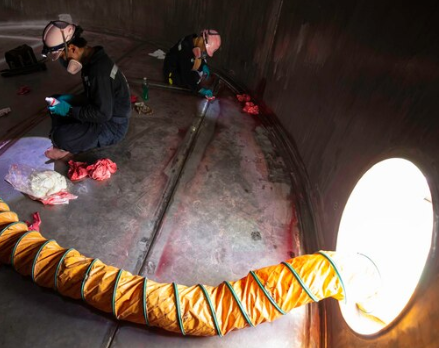
Confined spaces are work areas that are not designed for continuous occupancy and pose specific risks to workers due to their configuration, limited access, or environmental conditions. Understanding the definition and characteristics of confined spaces is essential for workplace safety and compliance with regulatory standards such as OSHA (Occupational Safety and Health Administration) in the U.S., or similar bodies worldwide.
30 – Safety Talk – Trenching – Inspection30 – Safety Talk –

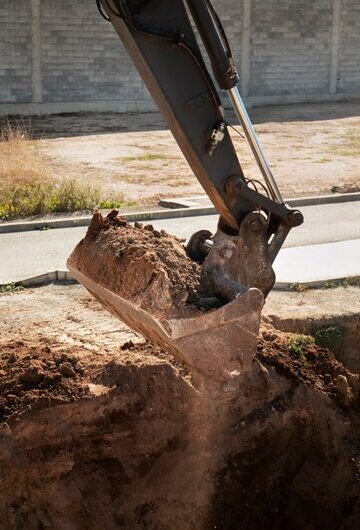
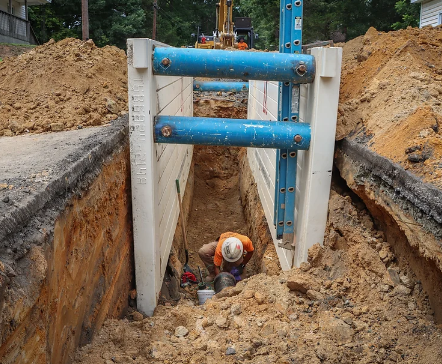
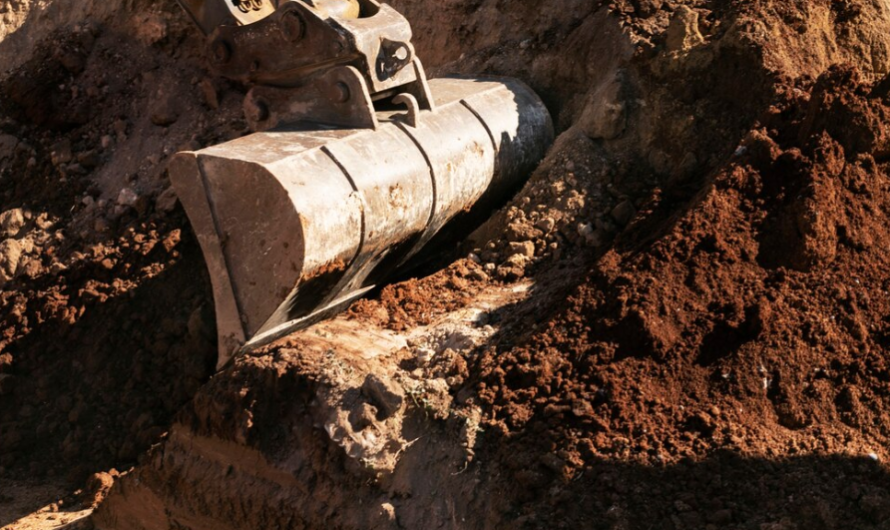
Trenching work is a high-risk activity within the construction industry. It involves digging narrow, deep, and elongated holes in the ground, often for utilities, sewer systems, or foundations. Although this task may seem routine, it is one of the most hazardous types of excavation work, with potential dangers like cave-ins, hazardous atmospheres, falls, and equipment-related injuries. To ensure worker safety and project success, thorough trench inspections are crucial.

29 – Safety Talk – Trenching – Protection                        

In construction and utility work, trenching is often unavoidable. It’s necessary to create foundations, lay pipes, and install cables. However, trenching is also one of the most hazardous tasks, with risks of cave-ins, falls, and hazardous atmospheres that can result in serious injuries or fatalities if not managed properly. Today, let’s talk about some key protective measures to ensure a safe trenching environment.

28 – Safety Talk – Trenching – Soil Types

The “Trenching – Soil Types” blog on Saety provides an overview of different soil classifications and their impact on trenching operations. It explains the various soil types, such as cohesive, granular, and stable rock, and discusses how each type affects trench stability and excavation safety. The blog emphasizes the importance of identifying soil types accurately to prevent trench collapses and ensure worker safety. It also covers best practices for assessing soil conditions and selecting appropriate protective systems during trenching.

26 – Safety Talk – Hoisting Signals – Ground Rules

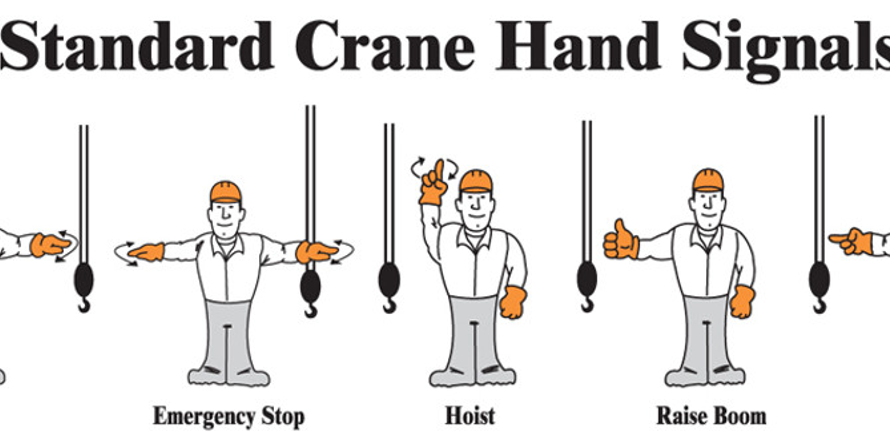
In any hoisting operation, a qualified and authorized signal person is responsible for conveying instructions to the crane operator through standardized hand signals. This ensures that the operator is aware of when to lift, lower, stop, or move the load in specific directions. Properly established ground rules, such as using only one designated signal person at a time, maintaining a clear line of sight, and ensuring the use of standard signals, help prevent accidents and misunderstandings.

25 – Safety Talk – Wire Rope – Inspection

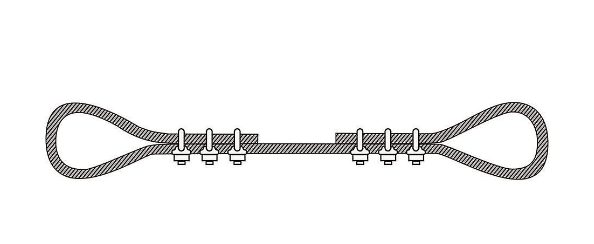
A safety talk on wire rope inspection emphasizes the importance of regularly examining wire ropes to ensure their safe use in lifting and rigging operations. It covers key aspects such as checking for signs of wear, corrosion, broken wires, kinks, or deformation that could compromise the rope’s strength. The talk also highlights the need to follow manufacturer guidelines on acceptable levels of wear, proper lubrication to prevent rust, and the importance of discarding ropes that do not meet safety standards. Regular inspections help prevent accidents by ensuring that only ropes in good condition are used in lifting tasks.

23 – Safety Talk – Rigging Hardware

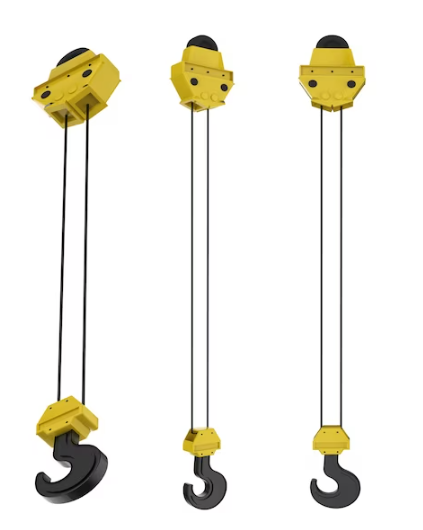
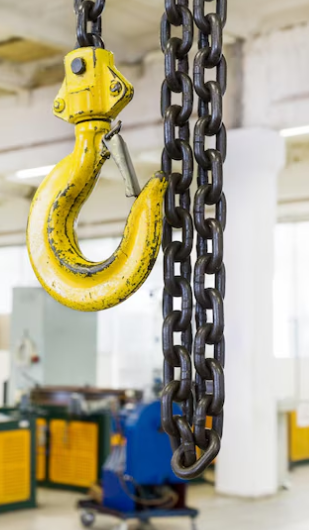
A safety talk on rigging hardware focuses on the safe use, inspection, and handling of equipment used for lifting and moving heavy loads, such as shackles, hooks, slings, and wire ropes. It covers key practices like regular inspections, understanding load limits, using certified and appropriate equipment, and avoiding improper techniques like side loading or shock loading. The discussion also emphasizes the importance of balancing loads, protecting against sharp edges, using tag lines, and following manufacturer guidelines. The goal is to ensure that all personnel involved in rigging operations are trained and aware of potential hazards to prevent accidents and equipment failure.

22 – Safety Talk – Rigging Hardware Safety

As a safety officer, ensuring proper rigging hardware practices is critical for preventing accidents and maintaining a safe work environment. Rigging hardware, including hooks, shackles, slings, and chains, plays an essential role in lifting and moving heavy loads. However, improper use, inspection, or maintenance of this equipment can lead to catastrophic failures, endangering workers and property. In this blog, we’ll cover key safety tips and best practices for rigging hardware to help you avoid potential hazards and ensure that your lifting operations are carried out safely and efficiently.

21 – Safety Talk – Scaffolds – Structural Components

As a safety officer, ensuring the integrity of scaffolding structures is critical to preventing workplace accidents. Scaffolds, when properly assembled and maintained, provide a secure platform for workers at elevated heights. However, the structural components—such as frames, braces, couplers, and supports—must meet safety standards to ensure stability and load-bearing capacity. In this blog, we’ll discuss the importance of understanding and inspecting these key structural components, as well as the essential practices for maintaining a safe working environment. Prioritizing scaffold safety can make the difference between a secure workday and a hazardous situation.