 by
by Acclimatisation: The Silent Superpower Your Body Already Has
What Is Acclimatisation—and Why Should You Care?
Have you ever stepped off a plane into a completely different climate and felt your body go, “Wait… what is happening?” Maybe it was the thin air in the mountains, the heavy humidity of a tropical city, or the dry chill of a winter destination. That moment of discomfort is your body realizing it needs to adjust—and that process is called acclimatisation.
Acclimatisation is your body’s natural ability to adapt to changes in its environment. It’s not instant. It’s not always comfortable. But it’s incredibly powerful. Whether you’re a traveler, athlete, trekker, or just someone dealing with seasonal changes, understanding acclimatisation can transform how you experience the world.
Let’s dive deeper into this fascinating biological process and uncover how you can work with your body instead of against it.
The Science Behind Acclimatisation
At its core, acclimatisation is all about survival. The human body is designed to maintain balance—also known as homeostasis. When external conditions change, your body makes internal adjustments to keep things stable.
These changes can include:
- Altering breathing rate
- Adjusting heart function
- Regulating body temperature
- Modifying fluid balance
- Increasing red blood cell production
Unlike long-term evolutionary adaptation, acclimatisation happens within an individual over a short period—ranging from hours to weeks.
Types of Acclimatisation
Not all acclimatisation is the same. Depending on the environment, your body adapts in different ways.
1. Heat Acclimatisation
If you’ve ever struggled during the first few days of summer, you’ve experienced the need for heat acclimatisation.
What happens in your body:
- Increased sweat production
- More efficient cooling
- Lower heart rate during physical activity
- Better hydration management
Why it matters:
Without proper acclimatisation, you’re more prone to heat exhaustion or heatstroke.
2. Cold Acclimatisation
Cold environments challenge your body in the opposite way.
Your body responds by:
- Constricting blood vessels to conserve heat
- Increasing metabolic rate
- Developing tolerance to lower temperatures
Interesting fact: People living in colder regions often feel comfortable in temperatures that others find unbearable.
3. Altitude Acclimatisation
Perhaps the most well-known type, especially among trekkers and mountaineers.
At high altitudes, oxygen levels drop significantly. Your body needs time to adjust.
Adaptations include:
- Faster breathing
- Increased heart rate
- More red blood cells to carry oxygen
Without proper acclimatisation, you risk altitude sickness, which can be dangerous if ignored.
Why Acclimatisation Feels Uncomfortable
Let’s be honest—acclimatisation doesn’t always feel great.
You might experience:
- Fatigue
- Headaches
- Dizziness
- Sleep disturbances
- Reduced appetite
This discomfort is your body working overtime to adjust. Think of it like upgrading your internal system—it takes energy and time.
Real-Life Scenarios Where Acclimatisation Matters
Traveling to a New Climate
Moving from a dry region to a humid one (or vice versa) can feel overwhelming. Your skin, breathing, and even digestion may react.
Trekking or Hiking
If you’re heading to high-altitude destinations like mountains, acclimatisation isn’t optional—it’s essential.
Seasonal Changes
Even shifting from winter to summer in your own city requires your body to adapt.
Starting a New Fitness Routine
Yes, even exercise involves acclimatisation. Your body adapts to increased physical stress over time.
How Long Does Acclimatisation Take?
There’s no one-size-fits-all answer, but here’s a general idea:
- Heat: 5–10 days
- Cold: A few days to weeks
- Altitude: 1–3 days for mild adjustment, longer for higher elevations
The key factor? Gradual exposure.
Tips to Help Your Body Acclimatise Faster
While your body does most of the work naturally, you can support the process.
1. Take It Slow
Rushing into a new environment—especially high altitude—is one of the biggest mistakes people make.
Give your body time to adjust.
2. Stay Hydrated
Environmental changes can affect how your body retains and loses fluids. Drink plenty of water, even if you don’t feel thirsty.
3. Eat Smart
Focus on:
- Light, nutritious meals
- Carbohydrates for energy
- Foods rich in vitamins and minerals
Your body needs fuel to adapt.
4. Listen to Your Body
This might sound obvious, but it’s often ignored.
If you feel unwell, don’t push through. Rest is part of acclimatisation.
5. Avoid Alcohol and Smoking
These can interfere with your body’s ability to adjust—especially at high altitudes.
6. Get Enough Sleep
Sleep is when your body repairs and recalibrates. Skipping it slows down the acclimatisation process.
Common Myths About Acclimatisation
Let’s clear up some misconceptions.
Myth 1: “I’m fit, so I don’t need to acclimatise.”
Reality: Even elite athletes need acclimatisation, especially at high altitudes.
Myth 2: “Acclimatisation happens instantly.”
Reality: It takes time—sometimes days or weeks.
Myth 3: “If I felt fine once, I’ll always feel fine.”
Reality: Your body’s response can vary each time depending on health, hydration, and conditions.
The Role of Acclimatisation in Fitness and Performance
Athletes often use acclimatisation strategically.
Altitude Training
Training at high altitudes can:
- Improve endurance
- Increase red blood cell count
- Enhance oxygen efficiency
That’s why many professional athletes train in mountainous regions before competitions.
Heat Training
Athletes preparing for events in hot climates often train in similar conditions to improve performance.
When Acclimatisation Isn’t Enough
Sometimes, your body needs more than time.
Watch out for warning signs:
- Severe headache
- Vomiting
- Confusion
- Difficulty breathing
These could indicate serious conditions like altitude sickness or heatstroke.
If symptoms worsen, seek medical help immediately.
The Psychological Side of Acclimatisation
It’s not just physical—your mind plays a role too.
New environments can trigger:
- Stress
- Anxiety
- Discomfort
But as your body adjusts, your mind follows. Familiarity builds comfort.
Acclimatisation vs Adaptation: What’s the Difference?
These terms are often confused.
- Acclimatisation: Short-term adjustments within an individual
- Adaptation: Long-term genetic changes over generations
Think of acclimatisation as your body’s quick response system.
Why Acclimatisation Is a Hidden Superpower
Here’s the fascinating part—your body is constantly adapting, often without you even noticing.
From handling daily temperature changes to adjusting to new diets, acclimatisation is always at work.
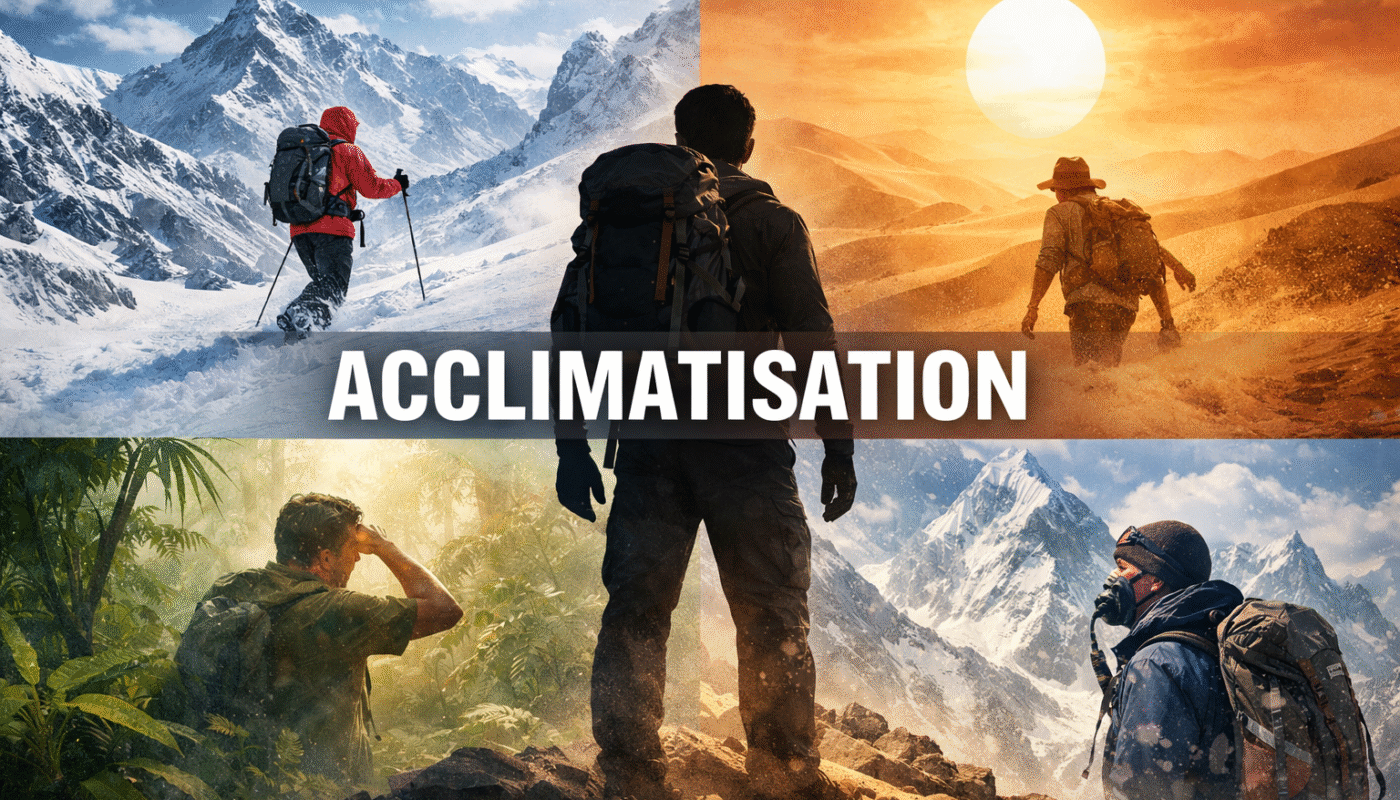
It’s one of the reasons humans can live in:
- Freezing polar regions
- Scorching deserts
- High-altitude mountains
- Humid tropical forests
That’s not just survival—it’s resilience.
Final Thoughts
Acclimatisation might not be something you think about every day, but it plays a crucial role in how you experience the world.
The next time you travel, start a new workout, or face a sudden climate shift, remember:
Your body isn’t struggling—it’s adapting.
Give it time. Support it. Trust it.
Because within you lies an incredible system designed to adjust, survive, and thrive—no matter where life takes you.
Ready to explore more travel, fitness, and wellness insights? Stay tuned—your next adventure starts with understanding your body better.
🔁 Readers also enjoyed these blog posts:
- Safety Management’s Role: The Unsung Hero Behind Every Successful Organization
- Safety Management and Its Responsibilities: Protecting People, Preventing Hazards, and Promoting a Culture of Care
- Benchmarking for Safety Performance: A Key to Continuous Improvement
“Start Your Website Journey Today – Exclusive Hostinger Discounts!”

Turn Any Idea into Viral,
Jaw-Dropping AI Videos in Seconds!