 by
by Introduction
When people talk about workplace safety, they usually think of helmets, gloves, warning signs, or emergency procedures. Lighting? That rarely makes the list. And yet, lighting quietly influences safety every single second of the day. You may not notice it when it’s good—but the moment it’s bad, accidents start to happen.
Good lighting doesn’t just help people see better. It improves alertness, reduces fatigue, prevents errors, and creates an environment where hazards are visible before they become disasters. On the other hand, poor lighting hides dangers, strains eyes, slows reaction time, and increases the risk of slips, trips, falls, and serious injuries.
In this article, we’ll break down why good lighting increases safety, how bad lighting silently increases risk, and what organizations can do to fix lighting problems before accidents occur. Whether you manage a factory, office, warehouse, construction site, hospital, or even a home workspace, lighting is not optional—it’s fundamental.
Why Lighting Is a Critical Safety Factor
Lighting is the foundation of vision. If people cannot see clearly, they cannot work safely—no matter how skilled or experienced they are.
Every task depends on visual input:
- Reading instructions
- Operating machinery
- Identifying hazards
- Moving safely through walkways
- Recognizing warning signals
When lighting is inadequate, the brain works harder to process incomplete visual information. This increases mental fatigue, slows decision-making, and raises the chance of mistakes.
Simply put:
You cannot avoid what you cannot see.
How Good Lighting Increases Safety
Let’s start with the positive side. Proper lighting delivers safety benefits that are immediate and measurable.
1. Better Visibility Reduces Accidents
Good lighting ensures that:
- Floors are clearly visible
- Steps, edges, and slopes are easy to identify
- Tools and machinery controls can be seen clearly
- Moving vehicles or people are noticed in time
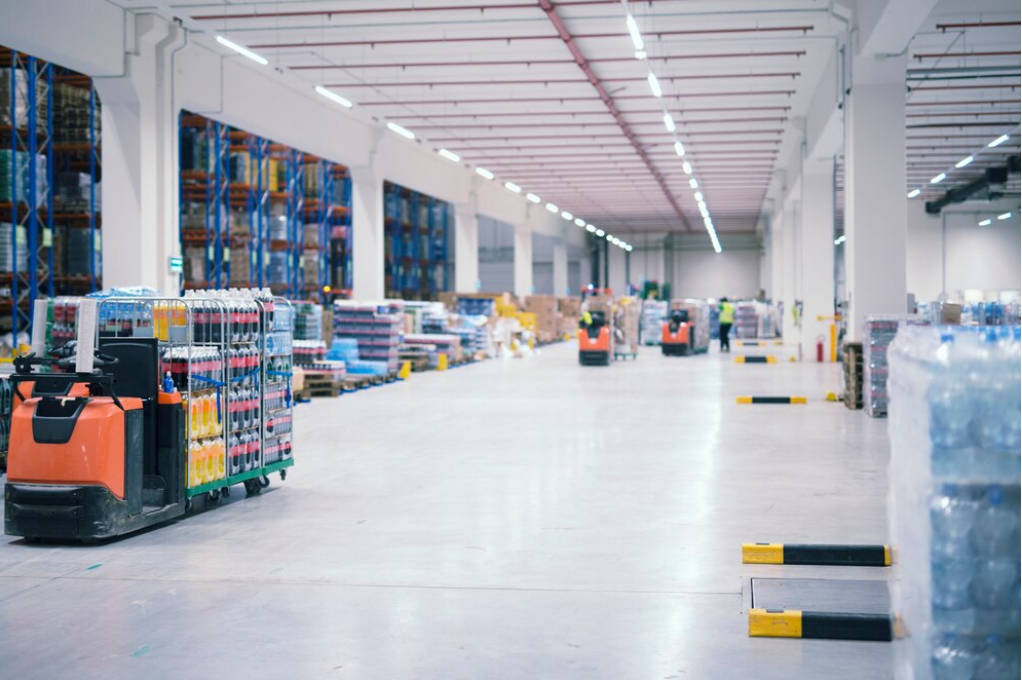
In environments like factories and warehouses, clear visibility can mean the difference between a near miss and a serious injury.
When lighting is adequate, workers can spot oil spills, loose cables, uneven flooring, and other hazards before stepping into danger.
2. Reduced Slips, Trips, and Falls
Slips, trips, and falls remain one of the leading causes of workplace injuries worldwide. Poor lighting plays a major role in these incidents.
Good lighting:
- Illuminates walkways and staircases evenly
- Eliminates dark corners and shadows
- Makes floor-level hazards visible
- Helps workers judge depth and distance correctly
Well-lit stairs, ramps, and corridors dramatically reduce fall-related injuries, especially in high-traffic areas.
3. Improved Focus and Alertness
Lighting affects the human brain more than most people realize. Bright, well-designed lighting keeps people alert and mentally engaged.
Proper lighting:
- Reduces eye strain
- Prevents headaches
- Minimizes mental fatigue
- Improves concentration
When workers are alert, they react faster to hazards and make fewer mistakes. This is especially important in jobs that involve machinery operation, driving, or precision work.
4. Faster Hazard Recognition
Safety signs, warning labels, color-coded indicators, and emergency markings only work if they are visible.
Good lighting:
- Enhances color recognition
- Makes safety signs stand out
- Ensures warning lights and alarms are noticed
- Helps identify abnormal machine behavior
In emergency situations, clear lighting can guide workers quickly toward exits and emergency equipment.
5. Better Psychological Comfort and Confidence
People feel safer in well-lit environments. Bright, uniform lighting reduces fear, anxiety, and hesitation—especially in large or unfamiliar spaces.
Workers who feel safe:
- Move with confidence
- Follow procedures more effectively
- Are less stressed
- Communicate better with others
This psychological sense of safety indirectly improves physical safety by encouraging calm and controlled behavior.
How Bad Lighting Decreases Safety
Now let’s talk about the real problem: bad lighting. Poor lighting is often overlooked because it doesn’t cause accidents directly—it creates conditions where accidents become likely.
1. Hidden Hazards and Blind Spots
Poor lighting creates shadows, glare, and dark zones where hazards hide.
Common problems include:
- Objects blending into the background
- Uneven floors becoming invisible
- Tools being misplaced
- Sharp edges going unnoticed
In such conditions, workers rely on guesswork instead of clear vision—and that’s a recipe for injuries.
2. Increased Eye Strain and Fatigue
Dim lighting forces eyes to work harder. Glare causes squinting. Flickering lights create constant visual stress.
The result:
- Eye fatigue
- Headaches
- Reduced concentration
- Slower reaction time
Fatigued workers are more likely to make mistakes, miss warning signs, or misjudge distances.
3. Higher Error Rates in Task Performance
In industries like manufacturing, healthcare, and electrical work, precision matters. Poor lighting increases:
- Measurement errors
- Incorrect tool usage
- Improper assembly
- Misreading instructions or displays
A small visual mistake can lead to equipment damage, product defects, or serious injuries.
4. Increased Risk During Night Shifts and Low-Light Conditions
Night shifts already come with challenges like reduced alertness and disrupted sleep cycles. Poor lighting makes these risks worse.
Inadequate illumination during night work can lead to:
- Reduced depth perception
- Delayed hazard recognition
- Increased vehicle collisions
- Higher accident rates
This is why night-shift environments require carefully planned lighting—not just brighter bulbs, but smarter placement.
5. Unsafe Emergency Situations
During power failures, fires, or evacuations, lighting becomes a lifeline.
Bad lighting conditions during emergencies can:
- Cause panic
- Lead to wrong exits
- Delay evacuation
- Increase injuries
Without proper emergency lighting, even trained workers can become disoriented.
Common Lighting Problems That Reduce Safety
Many workplaces unknowingly suffer from lighting-related safety issues. Some of the most common include:
- Burnt-out bulbs not replaced on time
- Uneven lighting distribution
- Excessive glare from reflective surfaces
- Flickering or buzzing lights
- Shadows caused by poor fixture placement
- Inadequate lighting for task-specific work
These issues don’t just affect comfort—they directly impact safety performance.
The Role of Lighting Design in Safety
Safety is not just about brightness. It’s about proper lighting design.
Effective safety-focused lighting considers:
- Type of task being performed
- Age and vision needs of workers
- Color rendering accuracy
- Uniform illumination
- Glare control
- Natural light integration
For example:
- Offices need balanced, glare-free lighting
- Warehouses need high-intensity vertical lighting
- Workshops need focused task lighting
- Stairways need consistent, shadow-free illumination
One-size-fits-all lighting simply doesn’t work.
Lighting and Compliance with Safety Standards
Many safety regulations and standards recognize lighting as a key safety factor.
Poor lighting can lead to:
- Regulatory non-compliance
- Increased accident investigations
- Legal liability
- Insurance issues
Regular lighting audits help organizations identify weak areas and correct them before incidents occur.
Practical Steps to Improve Lighting Safety
Improving lighting doesn’t always require massive investment. Often, simple changes can make a big difference.
1. Conduct a Lighting Assessment
Walk through the workplace and identify:
- Dark areas
- Shadow zones
- Glare sources
- Flickering fixtures
Talk to workers—they often know exactly where lighting causes problems.
2. Match Lighting to the Task
Different tasks need different light levels. Precision work needs brighter, focused lighting, while general areas need uniform illumination.
Avoid under-lighting or over-lighting.
3. Maintain Lighting Systems Regularly
A maintenance schedule should include:
- Replacing burnt-out bulbs
- Cleaning fixtures
- Checking wiring
- Testing emergency lighting
Poor maintenance can turn good lighting into a hazard.
4. Reduce Glare and Flicker
Use proper diffusers, anti-glare fixtures, and high-quality LED lighting to reduce visual discomfort.
Avoid placing lights directly in the line of sight.
5. Ensure Emergency and Backup Lighting Works
Emergency lights should:
- Activate automatically during power loss
- Clearly illuminate exits and escape routes
- Be tested regularly
In emergencies, lighting saves lives.
Lighting Safety Is an Investment, Not a Cost
Some organizations hesitate to upgrade lighting because of perceived costs. But poor lighting is far more expensive in the long run.
Bad lighting leads to:
- Workplace injuries
- Lost productivity
- Higher absenteeism
- Increased compensation claims
- Lower employee morale
Good lighting, on the other hand:
- Improves safety
- Boosts productivity
- Enhances quality of work
- Creates a positive work environment
It pays for itself many times over.
Conclusion: You See Safety Before You Feel It
Safety starts with vision. Before a worker reacts, steps back, or avoids a hazard, they must first see it clearly.
Good lighting increases safety by making hazards visible, keeping workers alert, reducing fatigue, and supporting confident movement. Bad lighting does the opposite—it hides risks, strains eyes, and quietly increases the likelihood of accidents.
If safety truly matters, lighting cannot be an afterthought. It must be treated as a core safety system—planned, maintained, and improved continuously.
Because in the end, what you don’t see can hurt you.
🔁 Readers also enjoyed these blog posts:
- Safety Management’s Role: The Unsung Hero Behind Every Successful Organization
- Safety Management and Its Responsibilities: Protecting People, Preventing Hazards, and Promoting a Culture of Care
- Benchmarking for Safety Performance: A Key to Continuous Improvement
“Start Your Website Journey Today – Exclusive Hostinger Discounts!”

Turn Any Idea into Viral,
Jaw-Dropping AI Videos in Seconds!