 by
by 🌬️ Introduction: When Air Becomes a Matter of Life and Death
In most factories, ventilation is treated like infrastructure — something that just “exists.” Fans spin. Louvers open. Windows provide cross-flow. And that’s usually enough.
But when we talk about special operations, ventilation is no longer a comfort feature. It becomes a lifeline.
Operations involving toxic fumes, explosive vapors, fine combustible dust, high-temperature processes, confined spaces, chemical reactions, or biological agents demand something far beyond ordinary airflow. In such environments, improper ventilation can lead to:
- Toxic exposure
- Fire and explosion
- Oxygen deficiency
- Chronic occupational disease
- Legal prosecution
- Permanent shutdown
If you are involved in factory management, EHS, safety auditing, plant design, or compliance — this topic is not optional.
Let’s explore what ventilation for special operations really means, why it matters, and how to design it properly.
🚨 What Are “Special Operations” in Industrial Context?
“Special operations” refer to processes that generate hazardous airborne contaminants or create dangerous atmospheric conditions.
These may include:
- Chemical mixing and reactions
- Solvent handling
- Spray painting
- Acid pickling
- Electroplating
- Pharmaceutical formulation
- Welding and cutting
- Battery manufacturing
- Pesticide processing
- Confined space work
- Handling flammable gases
Under Indian safety laws such as the Factories Act, 1948 and state-specific rules like the Gujarat Factories Rules, hazardous processes demand specialized ventilation systems to control exposure and prevent catastrophic accidents.
Ventilation in such cases is not about air circulation — it is about hazard control.
💀 Why Regular Ventilation Is Not Enough
Many industries assume that ceiling fans or general exhaust systems are sufficient. They are not.
Let’s understand why.
1️⃣ Dilution Is Not Control
General ventilation merely dilutes contaminants. In hazardous operations, you must capture contaminants at source.
2️⃣ Explosion Risk
In processes involving flammable vapors, improper ventilation can lead to explosive concentrations within minutes.
3️⃣ Worker Exposure Limits
Industrial hygiene standards set permissible exposure limits. Without engineered ventilation, workers may unknowingly inhale toxic levels daily.
4️⃣ Legal Liability
If a worker develops occupational disease, ventilation design records are the first thing inspectors demand.
🏗️ Types of Ventilation Used in Special Operations
Not all ventilation systems are equal. Here are the primary types used in high-risk environments:
1️⃣ Local Exhaust Ventilation (LEV)
This is the gold standard for hazardous processes.
How it works:
- Captures contaminants at the point of generation
- Uses hoods, ducts, blowers, and filters
- Prevents dispersion into workplace air
Typical applications:
- Welding stations
- Chemical pouring
- Grinding operations
- Acid tanks
LEV reduces exposure dramatically when properly designed.
2️⃣ Dilution Ventilation (Supplementary Use Only)
Used where contamination levels are low or as a secondary safety measure.
⚠️ Not suitable as primary control in highly hazardous operations.
3️⃣ Mechanical Exhaust Systems
Designed with explosion-proof motors when flammable vapors are involved.
Used in:
- Paint booths
- Solvent rooms
- Battery charging areas
4️⃣ Push-Pull Ventilation Systems
Common in plating tanks and surface treatment operations.
- Air is pushed from one side
- Pulled through contaminated zone
- Captured before reaching workers
This system improves capture efficiency significantly.
🔥 Ventilation in Explosive Environments
In operations handling:
- LPG
- Hydrogen
- Acetone
- Paint thinners
- Ethanol vapors
Ventilation must prevent concentration reaching Lower Explosive Limit (LEL).
Design requirements include:
- Spark-proof fans
- Anti-static ducting
- Proper grounding
- Continuous air monitoring
- Emergency exhaust systems
One poorly designed duct can turn an entire shop floor into a blast chamber.
🧪 Chemical Operations: Controlling Toxic Exposure
In chemical industries, ventilation must address:
- Corrosive fumes
- Reactive gases
- Acid mist
- Volatile organic compounds (VOCs)
Systems may include:
- Wet scrubbers
- Activated carbon filters
- HEPA filtration
- Corrosion-resistant duct materials
Failure here doesn’t just risk fire — it risks chronic lung disease, neurological damage, and long-term litigation.
🏭 Legal Requirements in India
Under the Factories Act, 1948:
- Adequate ventilation must be provided
- Hazardous processes require engineering controls
- State rules may mandate exhaust systems
- Air monitoring records must be maintained
State frameworks like the Gujarat Factories Rules provide additional technical compliance requirements for dangerous operations.
Non-compliance can result in:
- Factory closure
- Criminal prosecution
- Director liability
- Heavy penalties
Ventilation is a legal shield — not just a safety tool.
🧠 Design Principles for Special Operation Ventilation
Designing effective ventilation involves more than installing a fan.
Here are key principles:
✔️ Capture at Source
The closer the hood to contaminant source, the better the efficiency.
✔️ Proper Airflow Velocity
Too low → contaminants escape
Too high → turbulence spreads contamination
Each operation has specific recommended capture velocity.
✔️ Duct Design Matters
- Smooth interior surfaces
- Minimal bends
- Proper duct diameter
- Balanced airflow
Poor duct design reduces efficiency drastically.
✔️ Explosion Proof Components
Mandatory for flammable processes.
✔️ Regular Testing and Maintenance
Ventilation systems degrade over time.
- Fan performance drops
- Filters clog
- Duct leaks develop
- Motors wear out
Annual testing is essential.
⚠️ Common Mistakes Industries Make
Let’s be honest — many factories cut corners.
Common errors include:
- Using domestic exhaust fans in hazardous areas
- Not calculating airflow requirements
- No static pressure testing
- Ignoring air balancing
- No preventive maintenance
- Blocking hoods with stored materials
These shortcuts cost lives.
👷 Worker Involvement Is Critical
Even the best ventilation system fails if:
- Workers remove hoods
- Ducts are damaged
- Open tanks are left uncovered
- Airflow is obstructed
Training workers about why ventilation exists improves compliance drastically.
📊 Monitoring and Measurement
Ventilation effectiveness must be verified.
Methods include:
- Anemometer airflow measurement
- Smoke testing
- Gas concentration monitoring
- Personal exposure monitoring
- Static pressure measurement
Without measurement, ventilation performance is guesswork.
🌍 Environmental Responsibility
Special operation ventilation is not only about worker safety — it’s about environmental protection.
Unfiltered exhaust releases:
- Toxic gases
- Acid mist
- Particulate matter
- VOCs
Modern systems integrate pollution control equipment to comply with environmental norms.
🏗️ Case Study: Welding Workshop Disaster Avoided
A mid-scale fabrication plant installed Local Exhaust Ventilation after workers complained of headaches.
Before installation:
- Visible fumes filled workshop
- Workers reported dizziness
After LEV:
- Airborne contaminants reduced by 80%
- Productivity improved
- Sick leave reduced
The management initially resisted investment — but the results proved its value.
Ventilation pays back in safety and performance.
🧯 Ventilation in Confined Spaces
Confined spaces are among the deadliest industrial environments.
Examples:
- Storage tanks
- Silos
- Underground pits
Ventilation requirements include:
- Forced air supply
- Continuous gas monitoring
- Backup power systems
- Rescue readiness
Oxygen deficiency can kill in minutes.
🛠️ Checklist: Is Your Ventilation System Adequate?
Ask yourself:
☐ Is contamination captured at source?
☐ Are airflow calculations documented?
☐ Are explosion-proof components installed where required?
☐ Are filters regularly replaced?
☐ Is air monitoring conducted periodically?
☐ Is documentation maintained?
☐ Are workers trained?
If you answered “No” to any — action is required.
💡 The Future: Smart Ventilation Systems
Modern factories are moving toward:
- IoT-based air quality monitoring
- Automated airflow control
- Real-time gas detection
- Alarm-integrated ventilation
- Energy-efficient variable speed drives
Safety and sustainability now go hand in hand.
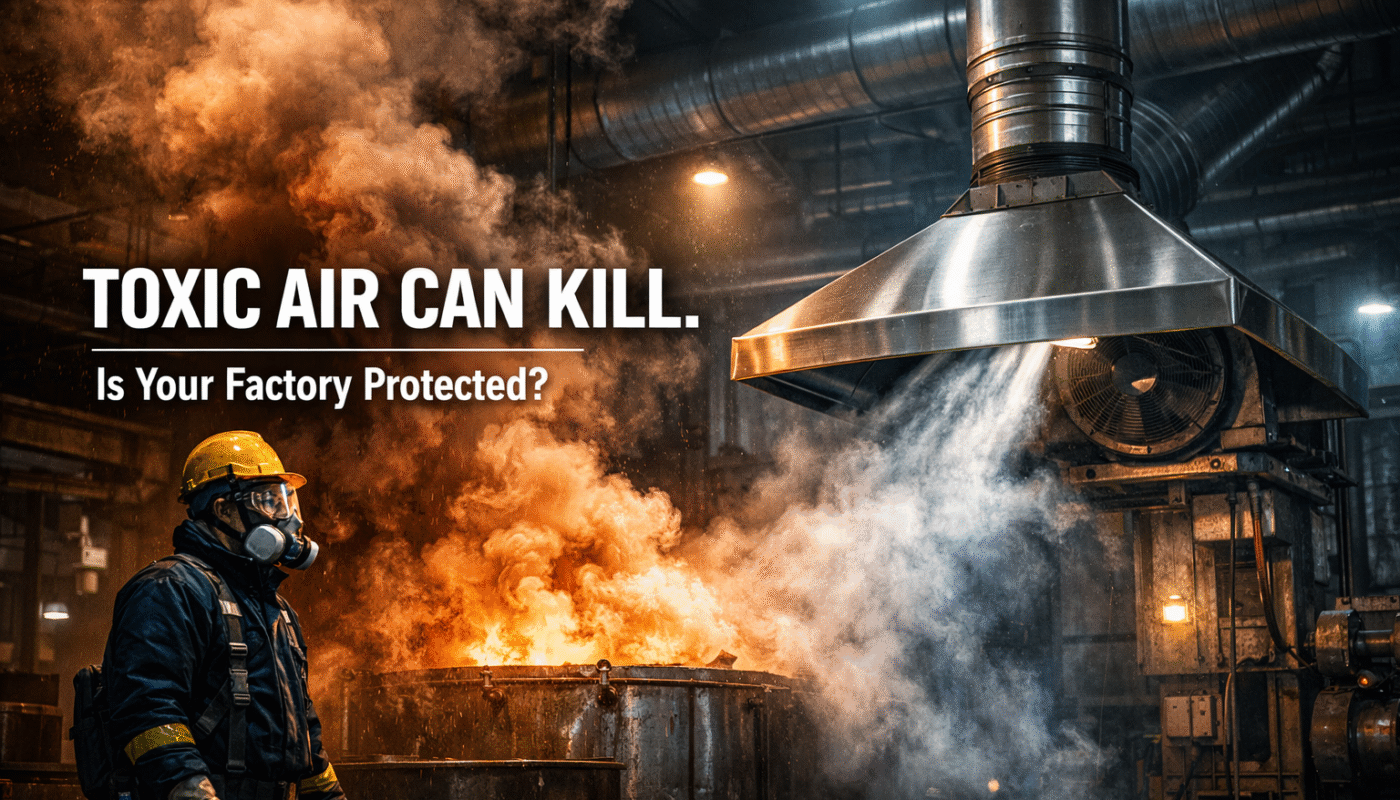
🎯 Final Thoughts: Air You Cannot See Can Kill
Ventilation for special operations is invisible — but its impact is massive.
You may not see toxic vapors.
You may not smell explosive gases.
You may not feel oxygen deficiency.
But they are there.
Investing in engineered ventilation is not an expense — it is an ethical responsibility.
Because in hazardous operations, air is not just air.
It is survival.
🔖 Conclusion
Ventilation for special operations is a cornerstone of industrial safety. From chemical plants to welding shops, from confined spaces to explosive environments — properly designed and maintained ventilation systems prevent disease, accidents, and disasters.
Whether you are an EHS manager, factory owner, consultant, or safety professional, one principle remains universal:
Control the hazard at source. Always.
If this article helped you, share it with your safety team and colleagues. Workplace air quality is everyone’s responsibility.
🔁 Readers also enjoyed these blog posts:
- Safety Management’s Role: The Unsung Hero Behind Every Successful Organization
- Safety Management and Its Responsibilities: Protecting People, Preventing Hazards, and Promoting a Culture of Care
- Benchmarking for Safety Performance: A Key to Continuous Improvement
“Start Your Website Journey Today – Exclusive Hostinger Discounts!”

Turn Any Idea into Viral,
Jaw-Dropping AI Videos in Seconds!