 by
by Introduction: Why Ventilation Is Not Just a “Nice to Have”
Walk into any building or factory, and you might not see the ventilation system—but you’ll definitely feel it. Fresh air, comfortable temperature, absence of foul smells, and reduced dust levels are all signs that ventilation is doing its job quietly in the background.
Ventilation is not just about comfort. In buildings, it ensures healthy indoor air quality. In factories, it becomes a critical safety control, protecting workers from heat stress, toxic fumes, dust, vapors, and airborne contaminants.
Whether you’re a safety professional, factory owner, building designer, or facility manager, understanding the types of ventilation systems helps you make smarter decisions—both for compliance and human wellbeing.
Let’s break it down in a clear, practical, and no-jargon way.
What Is Ventilation? (In Simple Terms)
Ventilation is the process of supplying fresh air to a space and removing stale or contaminated air from it.
Its main purposes are:
- To maintain oxygen levels
- To remove heat, moisture, odors, fumes, dust, and gases
- To control temperature and humidity
- To improve comfort, productivity, and safety
Broad Classification of Ventilation Systems
Ventilation systems are generally classified into two main categories:
- Natural Ventilation
- Mechanical (Artificial) Ventilation
Each of these has further sub-types, especially when applied to factories and industrial buildings.
1. Natural Ventilation
What Is Natural Ventilation?
Natural ventilation relies on natural forces such as:
- Wind pressure
- Temperature difference (stack effect)
No fans, no motors, no electricity—just smart design.
Common Methods of Natural Ventilation
a) Cross Ventilation
Fresh air enters from one side of the building and exits from the opposite side.
Best suited for:
- Residential buildings
- Offices
- Schools
- Light-duty workshops
Advantages:
- Zero energy cost
- Simple and effective
- Improves comfort
Limitations:
- Depends on wind direction
- Less effective in hot, humid, or polluted environments
b) Stack Ventilation (Chimney Effect)
Warm air rises and exits through roof vents or skylights, pulling fresh air in from below.
Common in:
- High-ceiling factories
- Warehouses
- Auditoriums
Key benefit:
Excellent for heat removal in hot industries.
c) Openings & Architectural Features
- Windows
- Louvers
- Ventilators
- Roof monitors
Smart placement of these features significantly improves airflow.
When Natural Ventilation Is NOT Enough
Natural ventilation struggles when:
- There are toxic gases or fumes
- Heat load is very high
- Dust generation is continuous
- Weather conditions are unfavorable
That’s where mechanical ventilation steps in.
2. Mechanical (Artificial) Ventilation
What Is Mechanical Ventilation?
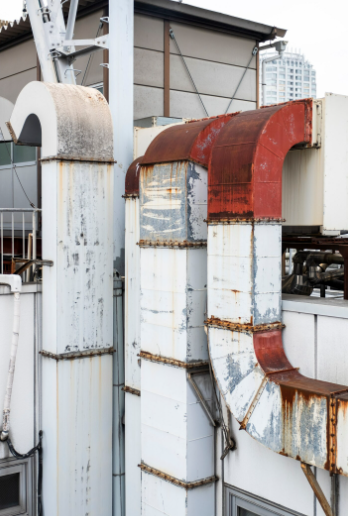
Mechanical ventilation uses fans, blowers, ducts, and air handling units to move air deliberately and consistently.
This is the backbone of industrial ventilation systems.
Types of Mechanical Ventilation Systems
3. Exhaust Ventilation System
What Is Exhaust Ventilation?
Exhaust ventilation removes contaminated air from a space and discharges it outside.
Fresh air enters naturally or through openings.
Common Exhaust Systems
a) General Exhaust Ventilation
- Large exhaust fans remove air from the entire area.
- Fresh air replaces it through doors, windows, or louvers.
Used in:
- Foundries
- Welding shops
- Paint shops
- Boiler rooms
Pros:
- Simple design
- Cost-effective
Cons:
- Less effective for high-toxicity contaminants
b) Local Exhaust Ventilation (LEV)
This is the gold standard for industrial safety.
It captures contaminants at the source, before they spread.
Components include:
- Hood
- Duct
- Fan
- Air cleaner
- Stack
Examples:
- Welding fume extraction arms
- Chemical lab fume hoods
- Grinding dust collectors
Advantages:
- Highly effective
- Reduces worker exposure
- Complies with safety regulations
4. Supply Ventilation System
What Is Supply Ventilation?
Supply ventilation pushes fresh air into the building, creating positive pressure.
Stale air escapes through openings or exhaust outlets.
Where Supply Ventilation Works Best
- Clean rooms
- Pharmaceutical plants
- Food processing units
- Hospitals
Key benefit:
Prevents entry of dust, insects, and contaminated outside air.
Drawbacks
- Requires proper exhaust path
- Higher energy consumption
5. Balanced Ventilation System
What Is Balanced Ventilation?
This system uses both supply and exhaust fans in equal measure.
Fresh air in = stale air out.
Why It’s Popular in Modern Buildings
- Better air control
- Improved comfort
- Energy efficiency (when paired with heat recovery)
Common in:
- Commercial buildings
- IT offices
- High-end factories
6. HVAC Ventilation System
What Is HVAC?
HVAC stands for:
- Heating
- Ventilation
- Air Conditioning
This system doesn’t just move air—it conditions it.
Features
- Temperature control
- Humidity control
- Filtration
- Air distribution
Widely used in:
- Malls
- Airports
- Corporate offices
- Pharmaceutical and electronic factories
Industrial HVAC vs Comfort HVAC
Industrial HVAC focuses more on:
- Heat load
- Process requirements
- Equipment protection
7. Spot Ventilation
What Is Spot Ventilation?
This is localized ventilation used for specific equipment or processes.
Examples:
- Exhaust above ovens
- Fume extraction above chemical tanks
- Ventilation near DG sets
Why it matters:
It prevents contaminant spread and reduces system load.
8. Dilution Ventilation
Concept Explained Simply
Instead of capturing contaminants, dilution ventilation reduces their concentration by adding fresh air.
Used when:
- Contaminants are low-toxicity
- Emissions are evenly distributed
Not recommended for:
- Highly toxic gases
- Dust-heavy operations
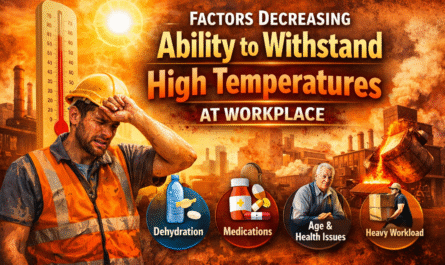
9. Industrial Ventilation for Heat Control
Heat Is a Serious Workplace Hazard
High temperature affects:
- Productivity
- Safety
- Health (heat stress)
Common Heat Control Ventilation Systems
- Roof exhaust fans
- Turbo ventilators
- Air circulators
- Evaporative cooling systems
Seen in:
- Steel plants
- Glass industries
- Forging units
10. Ventilation for Hazardous Industries
Certain industries need specialized ventilation, such as:
- Chemical plants
- Battery manufacturing
- Spray painting
- Mining operations
Key requirements:
- Explosion-proof fans
- Corrosion-resistant ducts
- Emergency exhaust systems
Key Factors in Selecting the Right Ventilation System
Before choosing a system, consider:
- Type of process
- Nature of contaminants
- Heat generation
- Number of occupants
- Regulatory requirements
- Energy efficiency
- Maintenance feasibility
There is no one-size-fits-all solution.
Ventilation Standards & Safety Compliance
In factories, ventilation is governed by:
- Factories Act
- State Factory Rules
- OSHA guidelines
- IS standards
Proper ventilation is not optional—it’s legally mandatory in many cases.
Common Ventilation Mistakes to Avoid
- Relying only on natural ventilation in hazardous areas
- Poor placement of exhaust fans
- Ignoring make-up air
- Lack of maintenance
- Undersized systems
Good design + regular upkeep = effective ventilation.
Future Trends in Ventilation Systems
- Energy-efficient ventilation
- Smart sensors for air quality
- Heat recovery ventilators (HRV)
- Green building integration
Ventilation is becoming smarter, not just stronger.
Conclusion: Ventilation Is an Investment, Not a Cost
Ventilation directly impacts:
- Worker health
- Productivity
- Equipment life
- Legal compliance
Whether it’s a simple building or a heavy industrial factory, choosing the right type of ventilation is one of the smartest decisions you can make.
Good air is invisible—but its impact is powerful.
🔁 Readers also enjoyed these blog posts:
- Safety Management’s Role: The Unsung Hero Behind Every Successful Organization
- Safety Management and Its Responsibilities: Protecting People, Preventing Hazards, and Promoting a Culture of Care
- Benchmarking for Safety Performance: A Key to Continuous Improvement
“Start Your Website Journey Today – Exclusive Hostinger Discounts!”

Turn Any Idea into Viral,
Jaw-Dropping AI Videos in Seconds!