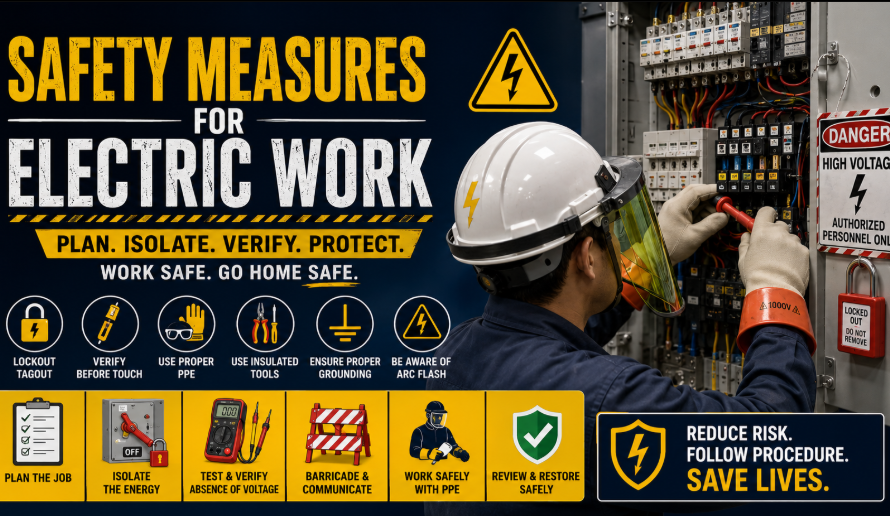
Safety Measures for Electric Work | Essential Electrical Safety Guide
 by
by Learn essential safety measures for electrical work, including isolation, LOTO, testing, PPE, tools, grounding, arc-flash prevention, and emergency response.
EHS content HUB
Learn essential safety measures for electrical work, including isolation, LOTO, testing, PPE, tools, grounding, arc-flash prevention, and emergency response.
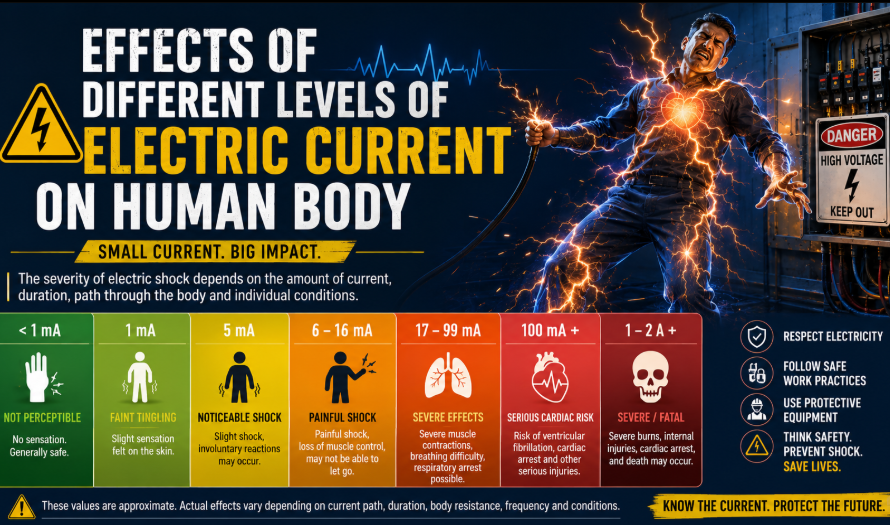
Discover how different levels of electric current affect the human body, from a mild tingling sensation to muscle paralysis, respiratory arrest, cardiac effects, severe burns, and fatal injury.
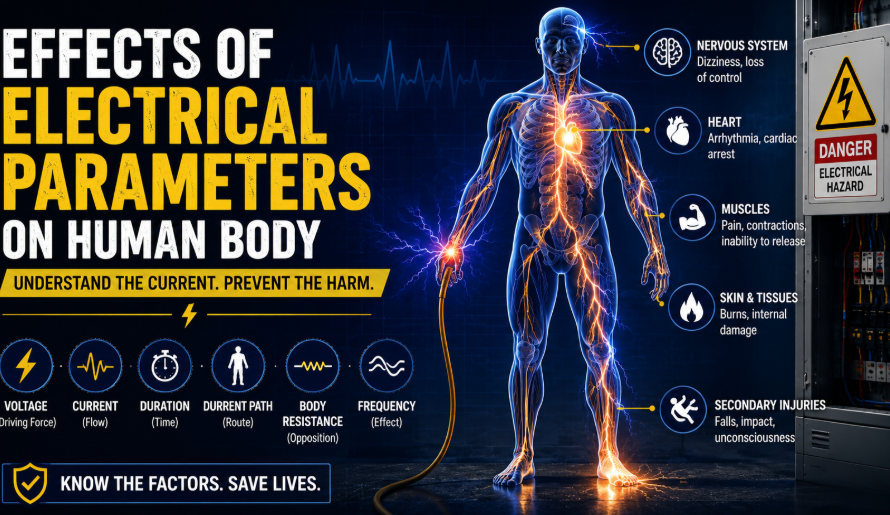
Learn how current, voltage, frequency, duration, resistance, and current path affect the human body during electrical exposure—and how to prevent electrical injuries.
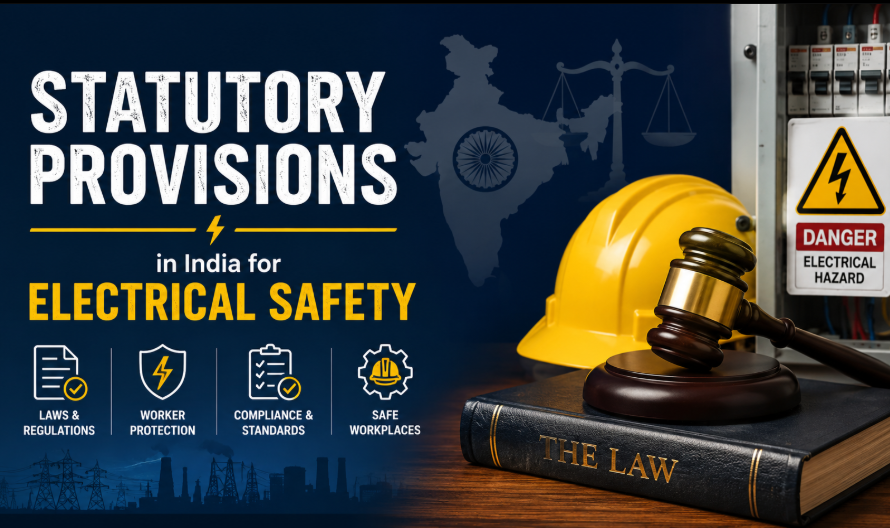
Learn the key statutory provisions for electrical safety in India, including the Electricity Act, CEA Safety Regulations 2023, inspections, earthing and accident reporting.
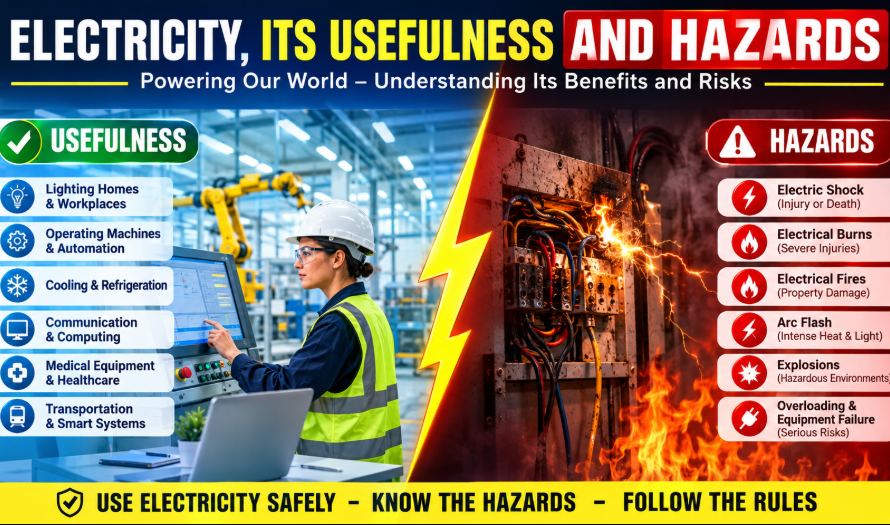
Electricity powers modern life, but it can also cause serious hazards. Learn about its usefulness, electrical risks, causes, prevention and EHS safety practices.
Is natural ventilation really better than mechanical ventilation? Explore the EHS benefits, limitations and practical differences between both systems.
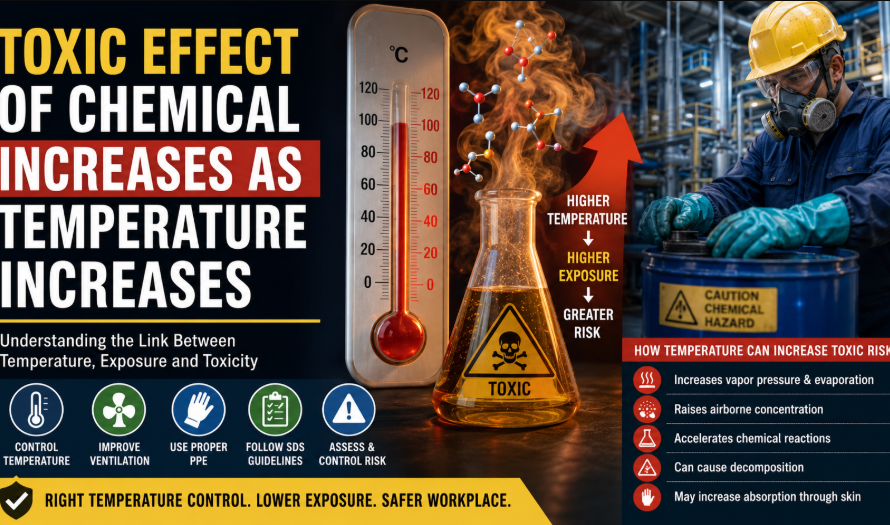
Does higher temperature increase chemical toxicity? Learn how temperature affects vaporization, exposure, absorption and toxic effects from an EHS perspective.
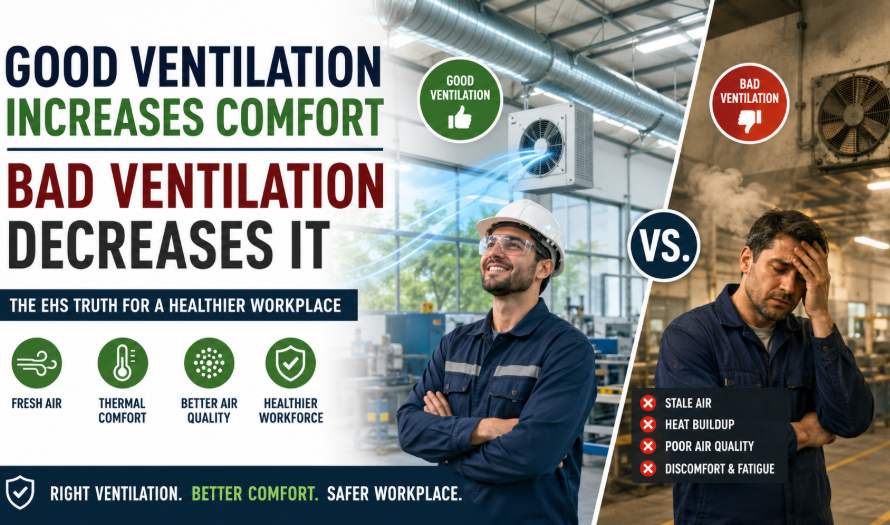
Good ventilation improves thermal comfort, indoor air quality and workplace conditions. Learn how poor ventilation can increase discomfort and health risks.
Is heat stress affected only by climate? Discover the scientific truth about climatic and non-climatic factors influencing heat stress, its health impacts, prevention tips, and common myths in this comprehensive guide.
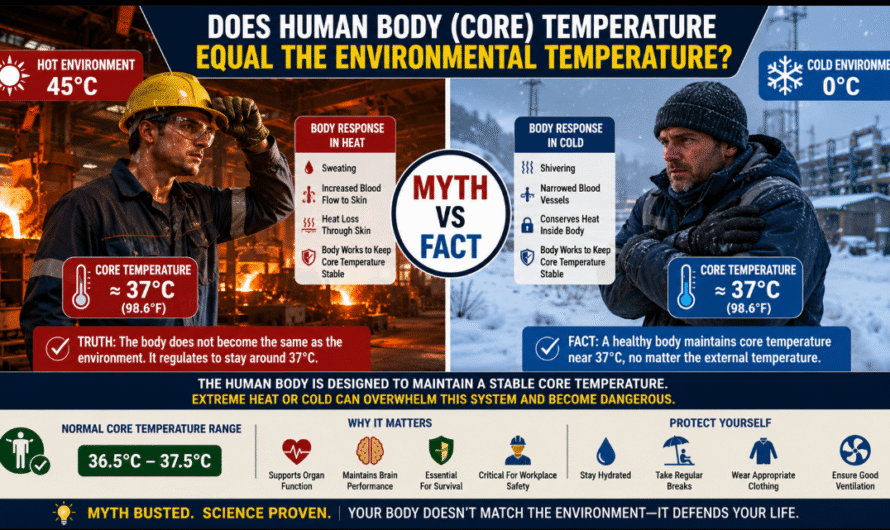
Does the human body’s core temperature vary with the environmental temperature? Discover the scientific truth, how the body regulates heat, common myths, workplace safety implications, and why maintaining core temperature is vital for survival.