 by
by Introduction: When Heat Becomes a Silent Health Threat
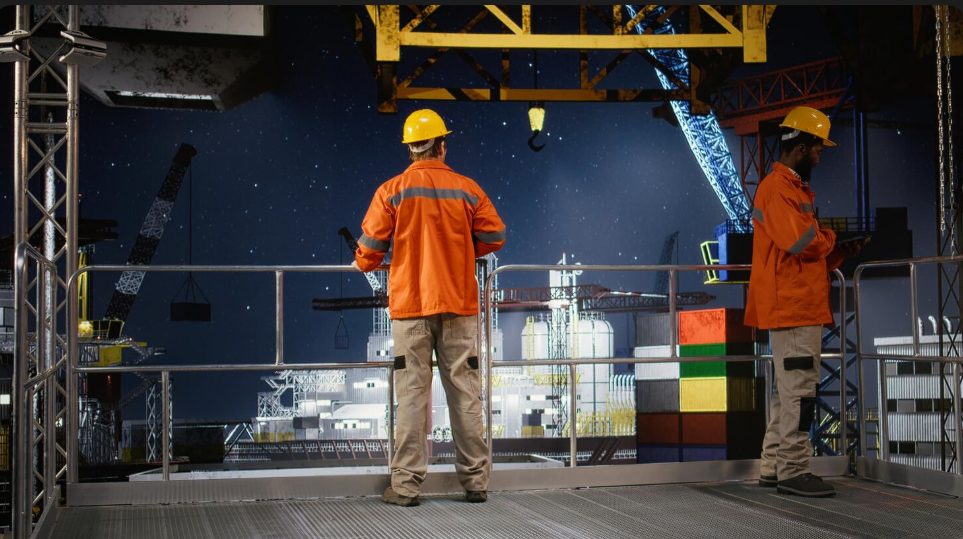
We often associate hot weather with summer vacations, sunshine, and outdoor fun. But for millions of people—especially industrial workers, construction laborers, farmers, traffic police, firefighters, and factory employees—heat is not comfort; it’s a constant occupational hazard.
A hot environment doesn’t just make us uncomfortable. Prolonged exposure can seriously disturb the body’s natural temperature regulation system, leading to heat-related health disorders. These disorders range from mild rashes to life-threatening emergencies like heat stroke and organ failure.
With rising global temperatures and frequent heatwaves, heat-related illnesses are increasing every year, making this topic more relevant than ever—especially for Google Discover audiences who engage with trending health and safety issues.
Let’s break down how hot environments affect the human body, the most common health disorders, and—most importantly—how to prevent them.
What Is a Hot Environment?
A hot environment is any workplace or living condition where heat exposure exceeds the body’s ability to cool itself effectively. This may be due to:
- High ambient temperature
- High humidity
- Direct sunlight
- Radiant heat from machines or furnaces
- Poor ventilation
- Heavy physical workload
Industries such as steel plants, foundries, glass factories, kitchens, mines, power plants, and construction sites often expose workers to extreme heat daily.
How the Human Body Responds to Heat
The human body maintains an average core temperature of 37°C (98.6°F). When exposed to heat:
- Blood vessels dilate to release heat
- Sweat glands activate for evaporative cooling
- Heart rate increases
However, when heat exposure is prolonged, these mechanisms fail—leading to heat stress and related disorders.
Major Health Disorders in Hot Environment
1. Heat Stress – The Root Cause
Heat stress occurs when the body absorbs more heat than it can release.
Common Symptoms
- Excessive sweating
- Fatigue and weakness
- Headache
- Dizziness
- Muscle cramps
- Nausea
Heat stress itself may not always be fatal, but it is the gateway to more serious conditions.
2. Heat Exhaustion – A Serious Warning Sign
Heat exhaustion is a more advanced form of heat stress and should never be ignored.
Signs & Symptoms
- Profuse sweating
- Pale, clammy skin
- Rapid heartbeat
- Low blood pressure
- Confusion
- Fainting
If untreated, heat exhaustion can quickly progress into heat stroke, a medical emergency.
3. Heat Stroke – A Life-Threatening Emergency
Heat stroke is the most severe heat-related disorder and can be fatal.
What Happens?
The body’s temperature control system completely fails.
Symptoms
- Body temperature above 40°C (104°F)
- Hot, dry skin (sweating stops)
- Slurred speech
- Seizures
- Loss of consciousness
- Organ failure
🚨 Heat stroke requires immediate medical attention. Delay can lead to permanent brain damage or death.
4. Dehydration – The Silent Health Killer
In hot environments, excessive sweating causes rapid loss of water and electrolytes.
Effects of Dehydration
- Dry mouth
- Reduced urine output
- Muscle cramps
- Kidney stress
- Reduced concentration
- Increased accident risk
Chronic dehydration can lead to kidney stones, urinary infections, and long-term kidney damage.
5. Heat Cramps – Painful Muscle Disorders
Heat cramps occur due to salt and electrolyte imbalance caused by heavy sweating.
Affected Muscles
- Legs
- Arms
- Abdomen
While not life-threatening, heat cramps reduce productivity and can be an early sign of heat exhaustion.
6. Heat Rash (Prickly Heat)
Heat rash occurs when sweat ducts get blocked, commonly affecting:
- Neck
- Chest
- Back
- Groin
Symptoms
- Red rashes
- Itching
- Burning sensation
Though mild, heat rash increases discomfort and can lead to secondary skin infections.
7. Cardiovascular Disorders
Hot environments force the heart to work harder to maintain blood flow and temperature regulation.
Health Risks
- Increased heart rate
- Low blood pressure
- Heart strain
- Increased risk of heart attack in vulnerable individuals
People with pre-existing heart conditions are at higher risk during heat exposure.
8. Respiratory Problems
Hot, humid air reduces oxygen efficiency and worsens respiratory conditions.
Common Issues
- Shortness of breath
- Aggravation of asthma
- Heat-induced hyperventilation
Poor air quality in hot industrial settings further increases respiratory risks.
9. Kidney Disorders
Repeated dehydration and heat stress can cause:
- Acute kidney injury
- Chronic kidney disease
- Heat nephropathy (common among outdoor workers)
Studies show higher kidney disease rates among workers exposed to extreme heat for long periods.
10. Mental Fatigue and Cognitive Decline
Heat affects not just the body—but also the brain.
Mental Effects
- Reduced concentration
- Poor decision-making
- Increased irritability
- Higher accident rates
This is especially dangerous in jobs involving machinery, driving, or high-risk operations.
High-Risk Groups in Hot Environments
Some people are more vulnerable to heat-related disorders:
- Industrial and construction workers
- Farmers and outdoor laborers
- Firefighters
- Traffic police
- Elderly individuals
- Pregnant women
- People with chronic illnesses
Occupational Heat Hazards in Industries
Industries with Maximum Heat Exposure
- Foundries and steel plants
- Glass manufacturing
- Cement factories
- Power plants
- Commercial kitchens
- Brick kilns
Without proper controls, heat exposure can lead to reduced productivity, accidents, absenteeism, and fatalities.
Prevention of Health Disorders in Hot Environment
Prevention is always better—and cheaper—than treatment.
1. Engineering Controls
- Proper ventilation
- Exhaust systems
- Insulation of hot surfaces
- Reflective shields
- Air conditioning or cooling fans
2. Administrative Controls
- Job rotation
- Scheduled rest breaks
- Heat exposure limits
- Shift timing adjustments
- Heat stress training
3. Personal Protective Measures
- Light-colored, breathable clothing
- Cooling vests
- Wide-brim hats for outdoor workers
- UV-protective gear
4. Hydration Management
- Regular water intake
- Electrolyte solutions
- Avoid caffeine and alcohol
- Hydration awareness programs
5. Acclimatization
Gradually increasing exposure helps the body adapt to heat over 7–14 days.
First Aid for Heat-Related Illness
Immediate Actions
- Move to a cool, shaded area
- Loosen tight clothing
- Give cool water (if conscious)
- Apply cold compresses
- Fan the person
🚑 Call emergency services immediately in case of heat stroke.
Role of Employers in Heat Safety
Employers must:
- Conduct heat risk assessments
- Provide drinking water
- Ensure shaded rest areas
- Train workers on heat illness symptoms
- Monitor vulnerable employees
Heat safety is not just good practice—it’s a moral and legal responsibility.
Heat Disorders and Climate Change
Climate change is intensifying heatwaves worldwide. As temperatures rise:
- Heat-related illnesses increase
- Workplace productivity drops
- Healthcare systems face higher burden
Addressing heat disorders is now a global public health priority.
Conclusion: Respect Heat Before It Harms You
A hot environment may seem manageable—until it’s not.
Heat-related health disorders often start subtly but can escalate rapidly into life-threatening conditions. Whether you’re an employer, worker, or individual exposed to heat daily, awareness, prevention, and early action are your strongest defenses.
As temperatures continue to rise, protecting ourselves from heat is no longer optional—it’s essential.
Stay hydrated. Stay informed. Stay safe. 🌡️💧
Frequently Asked Questions (FAQs)
1. What are health disorders caused by a hot environment?
Health disorders caused by a hot environment include heat stress, heat exhaustion, heat stroke, dehydration, heat cramps, heat rash, kidney problems, cardiovascular strain, and respiratory issues. These conditions occur when the body is unable to regulate its temperature due to prolonged exposure to high heat and humidity.
2. Who is most at risk of heat-related illnesses?
People most at risk include industrial workers, construction laborers, farmers, outdoor workers, firefighters, traffic police, elderly individuals, pregnant women, and people with heart disease, kidney problems, or respiratory conditions. High physical activity in hot conditions significantly increases the risk.
3. What is the difference between heat exhaustion and heat stroke?
Heat exhaustion is a serious condition caused by excessive heat exposure and dehydration, with symptoms like heavy sweating, weakness, dizziness, and nausea. Heat stroke is a life-threatening emergency where the body temperature rises above 40°C, sweating may stop, and the person may lose consciousness or suffer organ failure.
4. How does dehydration affect the body in hot environments?
In hot environments, excessive sweating causes loss of water and essential electrolytes. Dehydration can lead to fatigue, muscle cramps, dizziness, kidney damage, reduced concentration, and increased risk of workplace accidents if not corrected in time.
5. Can working in a hot environment cause long-term health problems?
Yes. Long-term exposure to hot environments can lead to chronic kidney disease, cardiovascular disorders, heat intolerance, recurring dehydration, and mental fatigue. Repeated heat stress over months or years can cause permanent damage, especially without proper hydration and rest.
6. What are early warning signs of heat-related illness?
Early warning signs include excessive sweating, headache, muscle cramps, fatigue, dizziness, nausea, rapid heartbeat, and reduced alertness. Recognizing these symptoms early helps prevent serious complications like heat stroke.
7. How can heat-related health disorders be prevented at the workplace?
Heat-related disorders can be prevented through proper ventilation, scheduled rest breaks, job rotation, adequate drinking water, electrolyte replacement, cooling systems, heat safety training, and acclimatization of workers to hot conditions.
8. What should be done immediately if someone shows signs of heat stroke?
The person should be moved to a cool or shaded area immediately. Tight clothing should be loosened, cold compresses applied, and the body cooled using fans or water. Emergency medical services must be contacted immediately, as heat stroke can be fatal.
9. Does climate change increase the risk of heat-related disorders?
Yes. Climate change is causing more frequent and intense heatwaves, increasing the risk of heat-related illnesses worldwide. Workers and vulnerable populations are especially affected due to prolonged exposure to extreme temperatures.
10. How much water should a person drink while working in a hot environment?
While exact needs vary, workers in hot environments should drink small amounts of water frequently—typically every 15–20 minutes—even if they are not thirsty. Electrolyte drinks are recommended during prolonged sweating to replace lost salts.
🔁 Readers also enjoyed these blog posts:
- Safety Management’s Role: The Unsung Hero Behind Every Successful Organization
- Safety Management and Its Responsibilities: Protecting People, Preventing Hazards, and Promoting a Culture of Care
- Benchmarking for Safety Performance: A Key to Continuous Improvement
“Start Your Website Journey Today – Exclusive Hostinger Discounts!”

Turn Any Idea into Viral,
Jaw-Dropping AI Videos in Seconds!