 by
by Introduction: When You Can’t See It, You Tend to Forget It
Ventilation systems are like the unsung heroes of any workplace. You don’t notice them when they’re working fine—but the moment they fail, everyone feels it. From factories and laboratories to commercial kitchens and offices, ventilation systems quietly control air quality, temperature, humidity, fumes, dust, and toxic gases.
Yet, despite their importance, testing and maintenance of ventilation systems often take a back seat. Many organizations assume, “It’s installed, so it must be working.” That assumption can be dangerous—and expensive.
In this article, we’ll break down why ventilation systems need regular testing and maintenance, how it should be done, what standards to follow, and common mistakes to avoid. Whether you’re a safety professional, factory manager, or business owner, this guide will help you understand ventilation not as equipment—but as a critical safety system.
What Is a Ventilation System, Really?
At its core, a ventilation system is designed to:
- Remove contaminated air
- Supply fresh air
- Control temperature and humidity
- Prevent buildup of hazardous substances
There are two main types:
1. Natural Ventilation
Uses windows, vents, louvers, and natural airflow. Simple—but unreliable in industrial settings.
2. Mechanical Ventilation
Uses fans, ducts, blowers, exhaust systems, and air-handling units. This includes:
- General (dilution) ventilation
- Local exhaust ventilation (LEV)
In factories dealing with dust, fumes, chemicals, or heat, mechanical ventilation is not optional—it’s essential.
Why Testing and Maintenance of Ventilation Systems Is Non-Negotiable
Let’s be blunt:
A poorly maintained ventilation system is as dangerous as no ventilation at all.
Key Reasons You Must Take It Seriously:
1. Protects Worker Health
Ineffective ventilation can lead to:
- Respiratory problems
- Headaches and dizziness
- Long-term occupational diseases
- Fatigue and reduced productivity
2. Controls Hazardous Substances
Dust, vapors, gases, welding fumes, solvent fumes—without proper exhaust, these linger in breathing zones.
3. Prevents Fire and Explosion Risks
Accumulated combustible dust or flammable vapors can ignite if ventilation fails.
4. Legal and Statutory Compliance
Most safety laws, including factory rules, mandate:
- Periodic testing
- Record maintenance
- Performance verification
Failure can result in penalties, shutdowns, or prosecution.
5. Improves Equipment Life
Clean, well-maintained systems last longer and consume less energy.
Signs Your Ventilation System Needs Immediate Attention
Sometimes, the system tells you it’s struggling—you just need to listen.
Common warning signs include:
- Strong odors lingering in work areas
- Excessive dust settling on surfaces
- Workers complaining of breathing issues
- Uneven airflow or hot spots
- Increased absenteeism
- Noisy fans or vibration
- Corrosion or visible damage to ducts
If any of these sound familiar, testing should not wait.
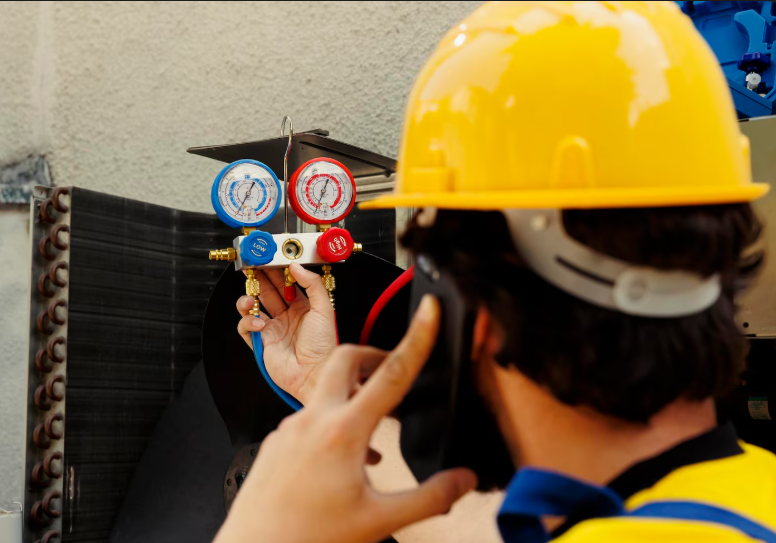
What Does “Testing” of Ventilation Systems Actually Mean?
Testing is not just switching the fan ON and checking airflow with your hand.
Proper Testing Involves:
✔ Airflow Measurement
- Velocity and volume at inlets and outlets
- Comparison with design specifications
✔ Hood Capture Efficiency (for LEV)
- Ensuring contaminants are captured at the source
- Smoke tests often used
✔ Pressure Measurements
- Static and differential pressure across filters and ducts
✔ Duct Integrity Check
- Leak detection
- Blockages or corrosion
✔ Exhaust Discharge Location Assessment
- Ensuring contaminated air is not re-entering the building
✔ Noise and Vibration Testing
- Excess noise often signals mechanical issues
Maintenance: The Backbone of Ventilation Performance
Testing tells you what’s wrong.
Maintenance ensures it stays right.
Routine Maintenance Activities Include:
1. Filter Cleaning or Replacement
Clogged filters reduce airflow and overload fans.
2. Fan Inspection
- Blade condition
- Motor health
- Belt tension and alignment
3. Duct Cleaning
Dust buildup reduces efficiency and increases fire risk.
4. Damper and Louver Checks
Ensure they open and close properly.
5. Electrical System Inspection
Loose connections, overheating motors, and faulty controls are common failures.
6. Calibration of Sensors
Especially in systems linked to gas detectors or automation.
Frequency of Testing and Maintenance: How Often Is Enough?
There’s no universal answer—but there are best practices.
General Guidelines:
| System Type | Testing Frequency | Maintenance Frequency |
|---|---|---|
| General Ventilation | Annually | Quarterly |
| Local Exhaust Ventilation | Every 6–12 months | Monthly |
| High-Hazard Areas | Quarterly | Monthly or more |
| Laboratories | Every 6 months | Monthly |
Always follow:
- Manufacturer recommendations
- Risk assessment findings
- Legal requirements
Documentation: The Most Ignored (Yet Crucial) Part
Many systems are tested—but not documented.
That’s a big mistake.
Proper Records Should Include:
- Test dates
- Parameters measured
- Results and deviations
- Corrective actions taken
- Technician or agency details
Documentation is vital for:
- Audits
- Legal defense
- Trend analysis
- Continuous improvement
If it’s not written down, it didn’t happen.
Common Mistakes Organizations Make
Let’s call these out clearly:
❌ Installing ventilation and forgetting it
❌ No baseline performance data
❌ Using untrained technicians
❌ Skipping testing to save costs
❌ Ignoring worker feedback
❌ No preventive maintenance schedule
Ironically, the cost of neglect is always higher than the cost of maintenance.
Role of Ventilation in a Strong Safety Management System
Ventilation isn’t standalone equipment—it’s an engineering control, one of the most effective layers in hazard control hierarchy.
When properly maintained, it:
- Reduces reliance on PPE
- Minimizes human error
- Controls risks at source
- Demonstrates management commitment
A workplace that invests in ventilation sends a strong message:
“We care about health, not just production.”
Ventilation Systems and Google Discover: Why This Topic Matters Today
Why is this article Discover-friendly?
Because:
- Indoor air quality is now a global concern
- Workers are more health-aware post-pandemic
- Regulatory enforcement is increasing
- Sustainability and energy efficiency are trending topics
Articles that educate, protect, and empower people naturally perform well on Google Discover—especially when written in a clear, human tone.
Best Practices for Long-Term Ventilation Reliability
If you want your ventilation system to work for years:
✔ Design it right from the start
✔ Involve safety professionals early
✔ Train maintenance staff
✔ Use checklists
✔ Schedule periodic third-party audits
✔ Upgrade outdated systems
✔ Listen to workers—they notice first
Final Thoughts: Air You Can Trust
Testing and maintenance of ventilation systems isn’t glamorous. It doesn’t make headlines. It doesn’t directly increase output.
But it protects lives.
Every clean breath a worker takes is a quiet success of a well-maintained ventilation system. And in safety, quiet success is the best kind.
If you’re responsible for a workplace, remember this:
Good ventilation doesn’t just move air—it moves your organization toward safety, compliance, and trust.
🔁 Readers also enjoyed these blog posts:
- Safety Management’s Role: The Unsung Hero Behind Every Successful Organization
- Safety Management and Its Responsibilities: Protecting People, Preventing Hazards, and Promoting a Culture of Care
- Benchmarking for Safety Performance: A Key to Continuous Improvement
“Start Your Website Journey Today – Exclusive Hostinger Discounts!”

Turn Any Idea into Viral,
Jaw-Dropping AI Videos in Seconds!