 by
by Mechanical Ventilation for Buildings: The Key to Healthier, Smarter Indoor Spaces
Step into any modern building—an office, hospital, mall, or even a new home—and one thing becomes immediately clear: fresh air doesn’t just happen by chance anymore. In today’s tightly sealed structures, relying on open windows alone simply doesn’t cut it. This is where mechanical ventilation for buildings steps in as a quiet hero, working behind the scenes to keep indoor environments healthy, comfortable, and compliant.
Mechanical ventilation isn’t just about air movement—it’s about air quality, energy efficiency, occupant comfort, and long-term building performance. Whether you’re a building owner, safety professional, architect, or simply curious, this guide will walk you through everything you need to know—without technical overload.
Let’s break it down in a way that actually makes sense.
What Is Mechanical Ventilation?
Mechanical ventilation is a system that actively supplies and/or removes air from a building using mechanical devices like fans, ducts, and controls. Unlike natural ventilation—which depends on windows, doors, or wind pressure—mechanical ventilation works consistently, predictably, and efficiently, regardless of outdoor conditions.
In simple terms:
- Fresh air comes in
- Stale, polluted air goes out
- And it happens continuously or on demand
Modern buildings depend on these systems because airtight construction, while energy-efficient, traps pollutants inside if ventilation isn’t properly managed.
Why Mechanical Ventilation Is No Longer Optional
In the past, leaky buildings unintentionally allowed air exchange. Today’s energy-efficient designs seal buildings tight—and that’s great for power bills, but not so great for breathing.
Here’s why mechanical ventilation has become essential:
1. Improved Indoor Air Quality (IAQ)
Indoor air can be 2–5 times more polluted than outdoor air. Mechanical ventilation removes:
- Carbon dioxide (CO₂)
- Volatile Organic Compounds (VOCs)
- Dust, smoke, and odors
- Moisture that leads to mold
2. Healthier Occupants
Good ventilation reduces headaches, fatigue, allergies, and respiratory problems—especially important in:
- Offices
- Schools
- Hospitals
- Residential apartments
3. Moisture and Mold Control
Poor ventilation traps humidity, which damages building materials and invites mold growth. Mechanical systems keep moisture levels balanced year-round.
4. Energy Efficiency
Modern ventilation systems work smartly, often recovering heat or cooling from outgoing air—saving energy while maintaining comfort.
5. Compliance with Building Codes
Most building regulations now mandate mechanical ventilation, especially for commercial and high-occupancy structures.
Main Types of Mechanical Ventilation Systems
Not all ventilation systems work the same way. Choosing the right type depends on building size, purpose, climate, and budget.
1. Exhaust Ventilation System
This system removes air from inside the building using exhaust fans, creating negative pressure that pulls fresh air in through vents or leaks.
Common Uses:
- Bathrooms
- Kitchens
- Small residential buildings
Pros:
- Simple design
- Low installation cost
Cons:
- Limited control over incoming air
- Can draw pollutants from walls or basements
2. Supply Ventilation System
Supply systems do the opposite—they push fresh air into the building, creating positive pressure and forcing stale air out.
Best For:
- Homes in hot or mixed climates
- Buildings needing filtered air
Pros:
- Better control over air quality
- Allows filtration and conditioning
Cons:
- Moisture risk in humid climates
- Slightly higher energy use
3. Balanced Ventilation System
Balanced systems both supply and exhaust air in equal amounts, ensuring consistent airflow and pressure control.
Ideal For:
- Offices
- Hospitals
- Commercial buildings
- High-end residences
Pros:
- Excellent indoor air quality
- Controlled airflow
- Works well with energy recovery
Cons:
- Higher initial cost
- Requires proper design
4. Energy Recovery Ventilation (ERV & HRV)
These advanced systems recover heat (HRV) or heat + moisture (ERV) from outgoing air and transfer it to incoming fresh air.
Why They’re Popular:
- Extremely energy efficient
- Ideal for green buildings
- Lower operating costs over time
Best Applications:
- Modern offices
- Residential apartments
- Cold or extreme climates
Key Components of a Mechanical Ventilation System
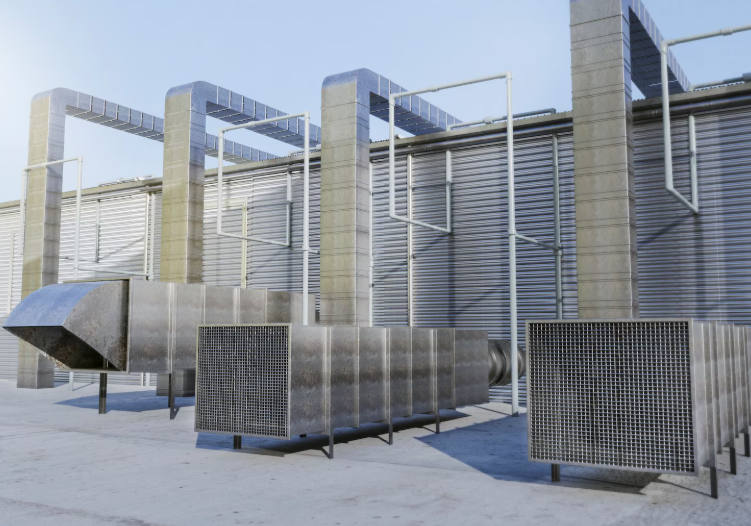
A mechanical ventilation system is more than just a fan. Here’s what makes it work smoothly:
🔹 Fans and Blowers
Move air in and out of the building. Efficiency and noise levels matter here.
🔹 Ductwork
Channels air throughout the building. Poorly designed ducts = poor ventilation.
🔹 Air Filters
Remove dust, pollen, bacteria, and pollutants. High-quality filters improve health significantly.
🔹 Dampers
Control airflow volume and direction. They help balance pressure and airflow.
🔹 Controls & Sensors
CO₂ sensors, humidity sensors, timers, and automation systems ensure ventilation happens only when needed—saving energy.
Mechanical Ventilation in Different Types of Buildings
Residential Buildings
In modern homes and apartments, mechanical ventilation ensures:
- Fresh air without opening windows
- Reduced humidity and condensation
- Better sleep and comfort
Systems like HRVs and ERVs are increasingly common in urban housing.
Commercial Buildings
Offices, malls, and IT parks rely on ventilation for:
- Productivity
- Odor control
- Compliance with occupational health norms
Poor ventilation in offices often leads to “sick building syndrome.”
Industrial Buildings
Factories generate heat, fumes, and dust. Mechanical ventilation helps:
- Remove contaminants
- Protect workers
- Maintain safe working conditions
Healthcare Facilities
Hospitals demand precise airflow control to prevent infection spread. Mechanical ventilation is critical for:
- Operation theaters
- Isolation rooms
- ICUs
Mechanical Ventilation vs Natural Ventilation
| Feature | Mechanical Ventilation | Natural Ventilation |
|---|---|---|
| Reliability | Very High | Weather-dependent |
| Control | Full control | Minimal control |
| Air Filtration | Yes | No |
| Energy Use | Optimized with recovery | Zero |
| Suitability | Modern buildings | Traditional buildings |
In reality, many buildings now use a hybrid approach, combining both for maximum efficiency.
Design Considerations for Effective Mechanical Ventilation
A poorly designed system can waste money and still fail. Here’s what professionals consider:
- Building occupancy and usage
- Local climate conditions
- Air change rates (ACH)
- Noise levels
- Energy efficiency
- Maintenance access
Good ventilation design is about balance, not brute force.
Maintenance: The Often-Ignored Factor
Even the best ventilation system fails without maintenance.
Regular Maintenance Includes:
- Cleaning or replacing filters
- Checking fans and motors
- Inspecting ducts for leaks
- Calibrating sensors
Well-maintained systems:
- Last longer
- Consume less energy
- Deliver consistent air quality
The Future of Mechanical Ventilation
Ventilation is getting smarter.
Emerging Trends:
- AI-controlled ventilation
- Demand-controlled ventilation (DCV)
- Smart sensors linked to building management systems
- Integration with renewable energy
Post-pandemic awareness has also pushed air quality to the top of building design priorities.
Final Thoughts: Why Mechanical Ventilation Truly Matters
Mechanical ventilation for buildings is no longer a luxury or an afterthought—it’s a core building system, just like electricity or plumbing.
It protects:
- People’s health
- Building integrity
- Energy efficiency
- Regulatory compliance
Whether you’re designing a new building or upgrading an existing one, investing in a well-designed mechanical ventilation system is an investment in long-term comfort, safety, and sustainability.
Fresh air isn’t just nice to have—it’s essential. And mechanical ventilation makes sure you get it, every single day.
🔁 Readers also enjoyed these blog posts:
- Safety Management’s Role: The Unsung Hero Behind Every Successful Organization
- Safety Management and Its Responsibilities: Protecting People, Preventing Hazards, and Promoting a Culture of Care
- Benchmarking for Safety Performance: A Key to Continuous Improvement
“Start Your Website Journey Today – Exclusive Hostinger Discounts!”

Turn Any Idea into Viral,
Jaw-Dropping AI Videos in Seconds!