 by
by Introduction
When it comes to maintaining a safe and productive workplace, one tool often goes unnoticed, yet it plays a critical role—the photo or lux meter. This small but powerful device helps measure the amount of light in a space, ensuring that your environment meets the recommended standards of illumination.
Whether you are running a factory, managing an office, or designing a retail space, understanding and using a lux meter can be a game-changer for safety, efficiency, and comfort. In this article, we’ll explore everything you need to know about photo meters: what they are, how they work, why they matter, and how to use them effectively.
🔦 What is a Photo (Lux) Meter?
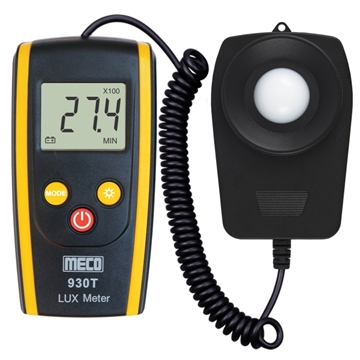
A photo meter, commonly called a lux meter, is a device that measures illuminance—the amount of light falling on a surface.
- Unit of Measurement: Lux (lx)
- Definition: 1 lux equals 1 lumen per square meter.
- Purpose: Determines whether lighting levels meet recommended standards for safety and productivity.
Lux meters are widely used in industrial safety inspections, workplace audits, photography, horticulture, and energy management.
⚖️ Why Measuring Light Matters
You might think, “Isn’t light just… light?” The truth is, the right amount of lighting can prevent accidents, improve efficiency, and enhance well-being.
Key Benefits:
- Prevents Workplace Accidents
Poorly lit areas increase the risk of slips, trips, and falls. Using a lux meter ensures every corner of your workplace has sufficient illumination. - Enhances Productivity
Workers in well-lit environments are faster, more accurate, and less fatigued. For detailed tasks like assembly or inspection, proper lighting is critical. - Reduces Eye Strain
Dim or uneven lighting can lead to headaches, eye fatigue, and long-term vision problems. Lux meters help maintain safe lighting levels. - Compliance with Safety Standards
Regulatory bodies such as OSHA, IES, and Factory Acts in India specify minimum lighting standards. Regular lux measurements help stay compliant.
📊 Understanding Lux Levels
Different tasks require different lux levels. Using a lux meter allows you to adjust lighting accordingly.
| Task / Area | Recommended Illumination (Lux) |
|---|---|
| Corridors, staircases | 100 – 150 lux |
| Storage rooms | 100 lux |
| General office work | 300 – 500 lux |
| Computer workstations | 300 lux (with glare control) |
| Inspection / quality control | 500 – 1000 lux |
| Fine assembly (electronics, watchmaking) | 1000 – 2000 lux |
| Operating rooms | 1000 – 2000 lux |
🔍 How Does a Lux Meter Work?
A lux meter consists of three main components:
- Light Sensor (Photodiode or Photocell)
- Detects light intensity and converts it into an electrical signal.
- Processor / Microcontroller
- Converts the electrical signal into lux units.
- Display
- Shows the measured lux value digitally or on an analog dial.
Some advanced lux meters also have data logging capabilities, allowing you to track lighting trends over time.
🛠️ Types of Photo (Lux) Meters
1. Analog Lux Meters
- Traditional, uses a needle to indicate lux.
- Durable and simple, but less precise.
2. Digital Lux Meters
- Offers digital readouts and higher accuracy.
- Can measure a wider range of lux levels.
3. Smartphone Lux Apps
- Uses your phone’s camera sensor.
- Convenient but less accurate than professional meters.
4. Integrated Systems
- Part of advanced building management systems.
- Measures light continuously and adjusts lighting automatically.
✅ How to Use a Lux Meter
Using a lux meter effectively is simple but requires attention to detail:
- Calibrate the Device
- Ensure the meter is calibrated according to the manufacturer’s instructions.
- Measure at Work Surface Level
- For desks, measure at 0.75 – 0.85 meters above the floor.
- For factory machines, measure at the operator’s working height.
- Take Multiple Readings
- Measure in different areas to account for shadows or uneven lighting.
- Record the maximum, minimum, and average lux levels.
- Compare Against Standards
- Check measured values against recommended standards for the specific task or environment.
- Adjust Lighting if Needed
- Add task lighting for low areas.
- Reduce glare in over-lit zones.
🌍 Applications of Photo Meters
1. Workplace Safety
Lux meters are indispensable for safety audits. They help ensure corridors, staircases, machine areas, and hazardous zones are properly lit.
2. Industrial and Manufacturing
- Assembly lines, machine shops, and inspection zones require precise lighting.
- A lux meter confirms workers have enough light for detailed work.
3. Office Environments
- Evaluates brightness at desks, meeting rooms, and common areas.
- Prevents eye strain and enhances productivity.
4. Photography and Cinematography
- Measures light intensity for proper exposure.
5. Horticulture
- Helps maintain optimal light for plant growth in greenhouses and indoor farms.
💡 Tips for Accurate Measurements
- Avoid holding the sensor too close to your body; it can cast shadows.
- Measure under normal working conditions (lights on, windows uncovered).
- Repeat measurements at different times of day to account for natural light changes.
- Clean the sensor regularly to avoid dust interference.
⚠️ Common Mistakes
- Ignoring Shadows
- One lux reading may not reveal dark corners.
- Measuring from the Ceiling
- Always measure at work surface level for accurate results.
- Over-reliance on Natural Light
- Clouds, weather, and time of day change light levels. Use lux meters to supplement natural light with artificial lighting.
- Skipping Regular Checks
- Lighting can degrade over time; scheduled measurements keep the workplace safe.
🔋 Choosing the Right Lux Meter
When selecting a lux meter, consider:
- Accuracy Range – Ensure it covers your workplace requirements.
- Display Type – Digital meters are easier to read.
- Data Logging – Helpful for audits and reporting.
- Durability – Industrial environments require robust devices.
- Calibration Options – Ensures readings remain reliable over time.
📌 Best Practices for Workplace Lighting
Using a lux meter is just part of the solution. Combine it with these strategies:
- Uniform Lighting – Avoid dark spots and overly bright areas.
- Task Lighting – Provide additional light where detailed work is performed.
- Energy Efficiency – Use LEDs or other efficient lighting solutions.
- Maintenance – Replace burnt-out bulbs and clean fixtures regularly.
- Employee Feedback – Involve workers in assessing comfort and visibility.
🌟 The Human Impact of Proper Illumination
Proper lighting affects more than productivity—it affects well-being and morale:
- Reduced Stress – Comfortable lighting reduces tension and headaches.
- Enhanced Focus – Workers perform tasks with fewer errors.
- Better Safety Culture – Well-lit workplaces are perceived as safer, encouraging employees to follow protocols.
✍️ Key Takeaways
- A photo (lux) meter is essential for measuring workplace illumination.
- Correct lighting prevents accidents, reduces eye strain, and improves productivity.
- Lux meters ensure compliance with safety standards and legal requirements.
- Regular measurements, proper calibration, and good lighting design are crucial for effective results.
🚀 Conclusion
Lighting is often taken for granted, but it plays a critical role in safety, health, and productivity. Using a photo or lux meter allows you to make informed decisions and create environments where employees can work efficiently and safely.
Whether it’s a factory, office, hospital, or retail space, measuring and maintaining the right lighting is an investment in safety and success.
So, don’t overlook this small device—it could make a huge difference in your workplace. Conduct a lighting audit today and ensure your environment meets the recommended standards.
✅ Pro Tip: For maximum effectiveness, combine lux meter readings with ergonomic assessments and safety audits. The result is a well-lit, productive, and hazard-free workplace!
🔁 Readers also enjoyed these blog posts:
- Safety Management’s Role: The Unsung Hero Behind Every Successful Organization
- Safety Management and Its Responsibilities: Protecting People, Preventing Hazards, and Promoting a Culture of Care
- Benchmarking for Safety Performance: A Key to Continuous Improvement
“Start Your Website Journey Today – Exclusive Hostinger Discounts!”

Turn Any Idea into Viral,
Jaw-Dropping AI Videos in Seconds!