 by
by Introduction
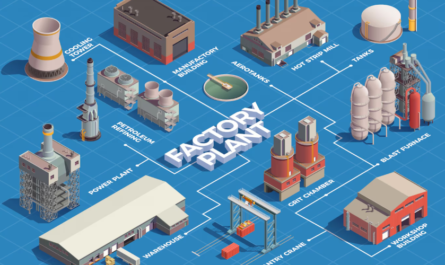
Lighting is one of the most critical yet often overlooked aspects of workplace safety and productivity. In a factory setting, where machinery, chemicals, and moving equipment are constantly in play, proper lighting can make the difference between a safe, efficient operation and a hazardous, error-prone environment.
Choosing the right lighting source is not just about brightening up space—it impacts safety, energy consumption, worker comfort, and even overall productivity. In this article, we will explore the different sources of lighting commonly used in factories, their merits and demerits, and how to make informed choices to ensure a safe and productive work environment.
⚡ Why Factory Lighting Matters
Before diving into types of lighting, let’s quickly understand why lighting is essential in factories:
- Safety First
Poor lighting contributes to slips, trips, and machinery-related accidents. Workers may misjudge distances or fail to spot hazards. - Productivity & Accuracy
Adequate lighting reduces eye strain, prevents fatigue, and enables workers to perform tasks more accurately, especially in assembly lines or inspection areas. - Compliance with Standards
National and international safety regulations, such as the Factories Act (India), OSHA (USA), and Illuminating Engineering Society (IES) standards, require minimum illumination levels depending on the task. - Employee Comfort & Morale
Well-lit environments create positive working conditions, which reduce absenteeism and enhance morale.
🌟 Common Sources of Factory Lighting
Factories use a variety of lighting systems depending on the type of work, area size, and energy efficiency requirements. Let’s go through the most commonly used sources of lighting, along with their advantages and disadvantages.
1. Incandescent Lamps
Overview
Incandescent lamps are the traditional type of lighting, using a filament heated to produce light. While they are gradually being replaced in modern factories, they are still found in older facilities.
Merits
- Simple and inexpensive: Low initial cost, easy to install.
- Warm light: Provides a comfortable visual environment.
- Instant illumination: Lights up immediately without warm-up time.
Demerits
- High energy consumption: Only about 10% of energy is converted to light; the rest is heat.
- Short lifespan: Typically 1,000–2,000 hours.
- Excess heat generation: Can increase the temperature in already hot factories.
- Poor color rendering: Colors may appear less accurate compared to modern options.
Best Use: Small, low-intensity tasks or temporary lighting.
2. Fluorescent Lamps (Tube Lights)
Overview
Fluorescent lamps use a combination of gas and phosphor coating to produce light. These have been a staple in industrial lighting for decades.
Merits
- Energy-efficient: Consumes 60–70% less energy than incandescent lamps.
- Longer life: Lasts 7,000–15,000 hours.
- Bright and diffuse lighting: Reduces shadows, ideal for large factory floors.
- Cost-effective: Low operating cost compared to incandescent bulbs.
Demerits
- Contains mercury: Special disposal is needed to prevent environmental contamination.
- Flickering issues: Can cause eye strain or headaches if ballast is faulty.
- Cold start: Requires time to reach full brightness in some models.
- Lower durability: Sensitive to vibration and impact, not ideal for rough industrial areas.
Best Use: General factory floor lighting, warehouses, and workshops.
3. High-Intensity Discharge (HID) Lamps
HID lamps include metal halide, high-pressure sodium, and mercury vapor lamps, commonly used in large factories, warehouses, and outdoor industrial areas.
Merits
- Very bright: Ideal for high-ceilinged areas.
- High efficiency: Produces more lumens per watt than incandescent or fluorescent lamps.
- Long lifespan: Typically 10,000–24,000 hours.
- Wide coverage: Good for lighting large spaces without installing many fixtures.
Demerits
- Slow start-up: Requires a few minutes to reach full brightness.
- High initial cost: Expensive to install.
- Color rendering: Some types (like sodium lamps) have poor color rendering.
- Maintenance complexity: Requires special ballast and more maintenance than simpler lamps.
Best Use: High-bay areas, warehouses, and outdoor industrial lighting.
4. Light-Emitting Diodes (LEDs)
Overview
LEDs have revolutionized industrial lighting due to their efficiency, durability, and versatility.
Merits
- Energy-efficient: Uses 50–80% less energy than incandescent lamps.
- Long lifespan: Can last 25,000–50,000 hours, reducing maintenance costs.
- Instant-on: No warm-up time, works well in cold conditions.
- Durable and shock-resistant: Ideal for factories with vibrations or high impact risks.
- Color options: High color rendering index (CRI) improves visibility and reduces eye strain.
Demerits
- High initial cost: More expensive to purchase upfront, though ROI is fast due to energy savings.
- Heat management: Poorly designed LEDs can overheat, reducing lifespan.
- Light distribution: May require additional diffusers to avoid glare in certain settings.
Best Use: Everywhere—from high-bay lighting to task-specific workstation lighting.
5. Compact Fluorescent Lamps (CFLs)
Overview
CFLs are smaller versions of traditional fluorescent lamps, designed for lower wattage applications.
Merits
- Energy-efficient: Uses 70–80% less energy than incandescent lamps.
- Moderate cost: Cheaper than LEDs.
- Better color rendering than HID lamps: Comfortable for workers’ eyes.
Demerits
- Contains mercury: Needs careful disposal.
- Slow start-up: Especially in cold conditions.
- Shorter lifespan than LEDs: Typically 8,000–10,000 hours.
- Fragility: Easily breaks if not handled carefully.
Best Use: Small task lighting and office areas within factories.
6. Halogen Lamps
Overview
Halogen lamps are an upgraded version of incandescent bulbs, using halogen gas to increase efficiency and lifespan.
Merits
- Compact and bright: Provides intense, focused light.
- Better efficiency than incandescent lamps: Slightly less energy consumption.
- Excellent color rendering: Useful for inspection areas.
Demerits
- High heat output: Can be a burn risk.
- Shorter lifespan: Around 2,000–4,000 hours.
- Energy usage: Still higher than LED or fluorescent options.
Best Use: Task lighting or inspection areas requiring high precision.
🔍 Comparing the Lighting Sources
| Light Source | Energy Efficiency | Lifespan | Maintenance | Color Rendering | Heat Output | Ideal Use |
|---|---|---|---|---|---|---|
| Incandescent | Low | Short | Low | Poor | High | Small tasks / temporary |
| Fluorescent | Medium | Medium | Medium | Moderate | Moderate | General factory areas |
| HID | High | Long | High | Poor (some types) | Medium | High-bay, warehouse, outdoor |
| LED | Very High | Very Long | Low | Excellent | Low | Everywhere, especially precision areas |
| CFL | Medium | Medium | Medium | Moderate | Low | Task lighting, offices |
| Halogen | Low-Medium | Short | Medium | Excellent | High | Task or inspection lighting |
⚖️ How to Choose the Right Lighting for Your Factory
Selecting the right lighting source is not just about cost—it’s about safety, productivity, and longevity. Here are some key considerations:
- Type of Work:
- High-precision tasks: LEDs or halogens.
- General production: Fluorescent or LED.
- Large, high-ceiling areas: HID or high-power LEDs.
- Energy Efficiency:
- LEDs win in most scenarios, reducing electricity bills and carbon footprint.
- Maintenance:
- Facilities with hard-to-reach ceilings benefit from long-life LEDs or HID lamps.
- Worker Safety & Comfort:
- Avoid flickering lights (common with old fluorescents).
- Ensure uniform distribution to prevent shadows.
- Budget:
- Consider total cost of ownership—initial cost plus energy and maintenance over time.
🌟 Best Practices for Factory Lighting
- Conduct regular lighting audits to ensure recommended lux levels.
- Combine ambient, task, and emergency lighting for a complete solution.
- Use diffusers or shields to reduce glare.
- Incorporate natural lighting wherever possible to improve worker well-being.
- Ensure emergency and exit lighting meets safety standards.
✨ Conclusion
Lighting in factories is far more than a convenience—it’s a cornerstone of safety, efficiency, and productivity. Choosing the right sources, understanding their merits and demerits, and implementing them strategically can reduce accidents, lower costs, and improve employee satisfaction.
While older options like incandescent and fluorescent lamps are still used, modern factories are increasingly shifting towards LEDs, combining energy efficiency, long life, and excellent visibility. Each lighting source has a place depending on the factory layout, tasks, and safety requirements.
Remember, a well-lit factory is a safe, productive, and happy factory. Investing in proper lighting today saves lives, money, and headaches tomorrow.
🔁 Readers also enjoyed these blog posts:
- Safety Management’s Role: The Unsung Hero Behind Every Successful Organization
- Safety Management and Its Responsibilities: Protecting People, Preventing Hazards, and Promoting a Culture of Care
- Benchmarking for Safety Performance: A Key to Continuous Improvement
“Start Your Website Journey Today – Exclusive Hostinger Discounts!”

Turn Any Idea into Viral,
Jaw-Dropping AI Videos in Seconds!