 by
by Introduction
When we talk about workplace safety, we often think about fire extinguishers, PPE, or safety signs. But one of the most overlooked yet critical safety components is proper lighting—especially portable emergency lights and local lighting.
Whether it’s a sudden power failure in a factory, a blackout in a hospital, or dim corners in a workshop, having the right lighting can prevent accidents, save lives, and keep operations running smoothly.
In this comprehensive guide, we’ll explore everything you need to know about portable emergency lights and local lighting, why they matter, the standards for their use, and best practices to ensure safety and efficiency.
🔦 What Are Portable Emergency Lights?
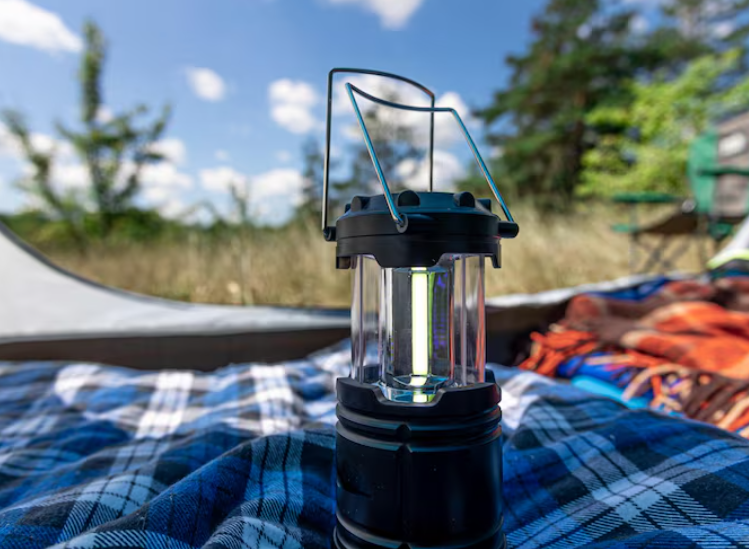
Portable emergency lights are movable, battery-operated lighting devices used during power outages, emergencies, or low-light situations. Unlike fixed emergency lights, they are not permanently installed and can be positioned wherever needed.
These lights are critical in workplaces where sudden darkness can create hazards, such as:
- Factories and manufacturing plants
- Warehouses
- Hospitals and clinics
- Construction sites
- Commercial buildings and offices
Key Features of Portable Emergency Lights
- Battery-Operated: Ensures the light works even when mains power fails.
- Mobility: Can be carried and placed wherever immediate illumination is needed.
- Automatic Activation: Many models switch on automatically during power cuts.
- Adjustable Brightness: Some units allow the intensity to be adjusted depending on the area.
- Rechargeable: Modern units come with rechargeable batteries, reducing the need for constant replacement.
⚠️ Importance of Portable Emergency Lighting
Portable emergency lights are not just convenient—they are life-saving tools. Let’s see why:
- Prevents Accidents
- Slips, trips, and falls are common during power outages. Portable lights illuminate pathways, stairs, and work areas.
- Ensures Continuity of Operations
- In critical facilities like hospitals, laboratories, and control rooms, these lights allow essential operations to continue safely.
- Improves Evacuation Efficiency
- During emergencies such as fire or chemical spills, portable emergency lights guide employees to exits quickly and safely.
- Regulatory Compliance
- Safety regulations often mandate emergency lighting, especially in workplaces handling hazardous materials or machinery.
💡 Types of Portable Emergency Lights
Portable emergency lights come in various forms, each suited for specific purposes.
- Handheld Emergency Lights
- Similar to powerful flashlights.
- Ideal for temporary inspections, checking machinery, or moving through dark areas.
- Rechargeable Lanterns
- Provide 360-degree illumination.
- Perfect for workshops, warehouses, and outdoor operations.
- LED Portable Emergency Lights
- Energy-efficient, long-lasting, and bright.
- Often include adjustable brightness settings and flashing modes for signaling.
- Combination Lights with Alarms
- Some units combine illumination with audible alarms to alert employees during emergencies.
📌 What is Local Light?
Local lighting refers to task-specific lighting that illuminates a particular area or work surface. Unlike general lighting, which lights up an entire room, local light focuses on where the task is performed, improving accuracy, efficiency, and safety.
Examples of local lighting include:
- Desk lamps in offices
- Spotlights on machinery in factories
- Inspection lights in quality control areas
- Reading lamps in libraries or hospitals
Benefits of Local Lighting
- Reduces Eye Strain
- Focused lighting prevents workers from squinting or overstraining their eyes.
- Enhances Precision
- Critical in tasks like soldering, welding, assembly, or inspection.
- Energy Efficiency
- By targeting only the necessary area, local lighting reduces unnecessary energy consumption.
- Improves Safety
- Minimizes shadows and dark spots that could hide hazards or obstacles.
⚖️ Portable Emergency Light vs Local Light: Understanding the Difference
| Feature | Portable Emergency Light | Local Light |
|---|---|---|
| Purpose | Emergency illumination during power failures | Task-specific or focused lighting for daily work |
| Power Source | Battery-operated (usually rechargeable) | Usually mains electricity, sometimes battery |
| Mobility | Highly portable | Fixed or semi-fixed, limited mobility |
| Usage Duration | Temporary during emergency | Continuous during work |
| Examples | Flashlights, lanterns, LED portable lights | Desk lamps, machine-mounted lamps, spotlights |
Both are essential, but they serve different functions. One ensures safety in emergencies, the other enhances productivity and precision during routine work.
📊 Recommended Standards for Emergency & Local Lighting
1. Portable Emergency Light
Safety guidelines prescribe minimum illumination levels for emergency lights:
- Corridors and staircases: 50–100 lux
- Exits and evacuation paths: 50–100 lux, uniformly distributed
- Critical control rooms / laboratories: 100–200 lux
- Outdoor emergency areas: 30–50 lux
Additional recommendations:
- Emergency lights should operate for at least 1–3 hours on battery backup.
- They should be tested monthly to ensure reliability.
- Rechargeable units should have automatic charging when mains power is restored.
2. Local Light
Recommended lighting levels for task-specific areas depend on the complexity of the work:
| Task Type | Recommended Illumination (Lux) |
|---|---|
| General workshops | 200–300 lux |
| Assembly lines / machine operations | 300–500 lux |
| Inspection / precision tasks | 500–1000 lux |
| Electronics / fine work | 1000–2000 lux |
Tip: Ensure glare control and uniform light distribution to avoid shadows and discomfort.
🔧 Best Practices for Using Portable Emergency & Local Lights
Portable Emergency Lights
- Strategic Placement
- Keep portable lights at easily accessible locations.
- Avoid storing them in blocked or hidden areas.
- Regular Testing & Maintenance
- Monthly checks of battery levels and light intensity.
- Replace batteries or bulbs as needed.
- Employee Training
- Ensure workers know where lights are stored and how to operate them.
- Signage and Visibility
- Use glow-in-the-dark signs to indicate locations of emergency lights.
Local Lights
- Adjustable & Flexible Positioning
- Ensure the light can be moved or angled according to task requirements.
- Correct Brightness Level
- Avoid overly bright lights that cause glare.
- Avoid dim lights that cause eye strain.
- Energy Efficiency
- Use LED or compact fluorescent lights for better energy savings.
- Routine Cleaning
- Dust and debris reduce light output.
🚨 Common Mistakes to Avoid
- Relying solely on fixed emergency lights: In case of blockage or in large areas, they may not provide sufficient illumination.
- Poor battery maintenance: Dead batteries render portable emergency lights useless.
- Neglecting local lighting: Even small tasks require proper focus lighting.
- Ignoring glare and shadows: Can cause accidents or reduce work accuracy.
- Inadequate training: Workers should know how to locate and use emergency lights efficiently.
🌍 Safety Regulations & Standards
In India, the Factories Act, 1948, along with state-level factory rules, specifies minimum lighting requirements:
- Emergency lighting must be provided in case of power failure, especially in hazardous areas, staircases, and exit routes.
- Local lighting should be sufficient for workers to perform their tasks safely and efficiently.
International Standards:
- NFPA 101 (Life Safety Code): Specifies emergency lighting requirements.
- OSHA Guidelines: Sets minimum illumination levels for work areas and emergency exits.
- IES Lighting Handbook: Provides detailed recommendations for both general and task lighting.
💡 Technological Innovations
Modern lighting solutions have made portable and local lights more effective:
- LED Technology: Long-lasting, bright, and energy-efficient.
- Motion-Activated Emergency Lights: Turn on automatically when movement is detected.
- Rechargeable & Solar-Powered Units: Reduce dependency on mains electricity.
- Smart Local Lighting: Adjustable color temperature and brightness for eye comfort and productivity.
✅ Key Takeaways
- Portable emergency lights and local lights are different but equally essential for workplace safety.
- Emergency lights save lives during power failures, while local lights enhance accuracy, comfort, and productivity.
- Follow recommended illumination levels to prevent accidents, reduce fatigue, and ensure compliance.
- Regular maintenance, testing, and employee training are critical for effectiveness.
- Modern solutions like LEDs, rechargeable batteries, and smart lighting make workplaces safer and more energy-efficient.
✍️ Final Thoughts
Lighting is often an unsung hero in workplace safety. While we focus on machinery, fire safety, and PPE, neglecting illumination can compromise all of these efforts.
Investing in quality portable emergency lights and proper local lighting is not just a regulatory requirement—it’s a commitment to employee safety, productivity, and well-being.
So, take a moment today to audit your workplace:
- Are emergency lights accessible and functional?
- Are local lights sufficient for task-specific work?
- Are lighting systems well-maintained and energy-efficient?
Remember, in safety, even small improvements can save lives. Portable emergency lights and local lighting are simple yet powerful tools in creating a secure and efficient workplace environment.
🔁 Readers also enjoyed these blog posts:
- Safety Management’s Role: The Unsung Hero Behind Every Successful Organization
- Safety Management and Its Responsibilities: Protecting People, Preventing Hazards, and Promoting a Culture of Care
- Benchmarking for Safety Performance: A Key to Continuous Improvement
“Start Your Website Journey Today – Exclusive Hostinger Discounts!”

Turn Any Idea into Viral,
Jaw-Dropping AI Videos in Seconds!