 by
by Rising temperatures are no longer just a weather issue or a seasonal inconvenience. They have quietly turned into one of the most serious safety challenges of our time. From factory floors and construction sites to homes, schools, and city streets, increased temperature is affecting how safely we live and work. What makes this issue more dangerous is that heat-related risks often go unnoticed—until something goes wrong.
In this article, we’ll explore safety problems due to increased temperature, why they are becoming more common, how they impact health, productivity, infrastructure, and the environment, and most importantly, what practical steps can be taken to reduce these risks. This isn’t a technical lecture—it’s a real-world conversation about a problem that touches all of us.
Understanding the Rise in Temperature
Over the past few decades, global temperatures have steadily increased due to climate change, urbanization, deforestation, and industrial activity. Heatwaves are more frequent, summers are longer, and even traditionally cooler regions are experiencing extreme heat.
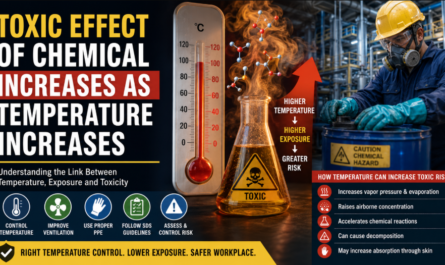
But increased temperature is not just an environmental statistic—it directly translates into unsafe conditions. High heat affects the human body, weakens materials, overloads electrical systems, and increases the likelihood of accidents. In safety management, temperature is now considered a critical risk factor, not a background condition.
Heat Stress: The Most Immediate Safety Threat
One of the most serious safety problems caused by increased temperature is heat stress. When the body cannot cool itself effectively, internal temperature rises, leading to dangerous health conditions.
Common Heat-Related Illnesses
- Heat Cramps: Painful muscle spasms due to loss of salt and fluids.
- Heat Exhaustion: Symptoms include heavy sweating, dizziness, nausea, and weakness.
- Heat Stroke: A life-threatening emergency where body temperature exceeds 40°C, causing confusion, unconsciousness, and even death.
Workers in construction, manufacturing, agriculture, traffic control, and firefighting are especially vulnerable. However, office workers, delivery staff, students, and elderly people are not immune either.
The scary part? Heat stress can build up slowly. People often ignore early symptoms, thinking they are just tired or dehydrated—until it becomes a medical emergency.
Workplace Safety Problems Due to High Temperature
Increased temperature significantly alters workplace safety conditions, especially in industries where physical labor or machinery is involved.
Reduced Concentration and Increased Errors
Heat affects the brain. As temperatures rise, concentration drops, reaction time slows, and decision-making becomes impaired. This leads to:
- More human errors
- Increased chances of accidents
- Poor judgment in critical tasks
In safety-sensitive environments like chemical plants, power stations, or construction sites, a small mistake can lead to major incidents.
Fatigue and Productivity Loss
High temperatures cause faster fatigue. Workers tire quickly, take more breaks, and struggle to maintain productivity. Fatigue also increases the risk of slips, trips, and falls—one of the most common workplace accidents.
Personal Protective Equipment (PPE) Challenges
PPE such as helmets, gloves, masks, and coveralls are essential for safety—but in high temperatures, they can become unbearable. Workers may:
- Remove PPE to feel cooler
- Wear it incorrectly
- Avoid using it altogether
This creates a dangerous trade-off between heat comfort and safety compliance.
Fire and Explosion Risks Increase with Temperature
Higher temperatures significantly increase fire and explosion hazards, particularly in industrial and urban environments.
Increased Flammability
- Dry conditions make materials more combustible
- Chemicals may evaporate faster, increasing vapor concentration
- Dust explosions become more likely in hot, dry air
Electrical Overheating
Electrical systems are not designed to operate beyond certain temperature limits. Increased heat can cause:
- Overloaded circuits
- Insulation breakdown
- Short circuits and fires
In homes, offices, and factories, the combination of high temperature and increased use of air conditioners and cooling equipment often leads to electrical fires.
Safety Issues in Construction and Outdoor Work
Construction sites are among the most heat-affected workplaces. Workers are exposed directly to sunlight, hot surfaces, and heavy physical activity.
Common Heat-Related Construction Hazards
- Burns from hot metal surfaces
- Dehydration due to excessive sweating
- Heat-induced dizziness leading to falls from height
- Reduced grip strength, increasing tool-handling accidents
Road workers and traffic police face similar risks, often standing for hours on heat-absorbing asphalt that radiates extreme temperatures.
Impact on Vulnerable Groups
Not everyone experiences heat the same way. Increased temperature creates serious safety problems for vulnerable populations.
Elderly People
Older adults have a reduced ability to regulate body temperature. Heat increases the risk of:
- Heart problems
- Dehydration
- Heat stroke
Children
Children heat up faster than adults and may not recognize early warning signs. Schools without proper ventilation or cooling become unsafe during extreme heat.
People with Medical Conditions
Those with diabetes, heart disease, respiratory conditions, or those taking certain medications are at higher risk during high temperatures.
Urban Heat and Public Safety
Cities are becoming hotter due to the urban heat island effect. Concrete, asphalt, and buildings absorb heat during the day and release it slowly at night.
Safety Problems in Cities
- Increased heat-related deaths during heatwaves
- Public transport systems overheating
- Road surfaces softening, increasing accident risk
- Power outages due to overloaded grids
When electricity fails during extreme heat, the safety risk multiplies—no fans, no lifts, no medical equipment, and no communication systems.
Environmental Safety Concerns
Increased temperature also creates indirect safety risks through environmental changes.
Water Scarcity
Higher temperatures increase evaporation, reducing water availability. Lack of safe drinking water leads to dehydration, hygiene issues, and conflict.
Wildlife and Pest Risks
Heat changes animal behavior. Increased encounters with snakes, insects, and pests create additional safety hazards, especially in rural and semi-urban areas.
Psychological and Behavioral Safety Issues
Heat doesn’t just affect the body—it affects behavior.
Studies show that higher temperatures are linked to:
- Increased irritability and aggression
- Higher rates of workplace conflict
- Reduced tolerance and patience
In high-risk environments, emotional instability can escalate safety incidents, arguments, and even violence.
Safety Problems in Industrial Processes
Many industrial processes depend on controlled temperatures. Increased ambient heat can:
- Affect chemical reaction rates
- Reduce equipment efficiency
- Cause machinery overheating
- Increase maintenance failures
When safety margins shrink due to temperature rise, the risk of leaks, spills, and catastrophic failures increases.
Practical Safety Measures to Control Heat Risks
While we can’t control the weather, we can control how we respond to increased temperature.
Engineering Controls
- Improve ventilation and airflow
- Install reflective roofing and insulation
- Use heat-resistant materials
- Automate high-heat processes
Administrative Controls
- Adjust work schedules to cooler hours
- Increase rest breaks
- Implement heat stress management plans
- Train workers to recognize heat illness symptoms
Personal Protective Measures
- Lightweight, breathable PPE
- Hydration stations with electrolytes
- Cooling vests or towels
- Encouraging a “buddy system” to monitor symptoms
Role of Management and Policy
Safety problems due to increased temperature cannot be solved by individuals alone. Management commitment is critical.
- Heat risk assessments should be mandatory
- Temperature thresholds must trigger safety actions
- Emergency response plans should include heat-related scenarios
- Government regulations must reflect changing climate realities
When leadership takes heat safety seriously, accidents drop—and trust rises.
Why Increased Temperature Safety Matters More Than Ever
Heat-related safety problems are not a future threat—they are already here. Ignoring them can result in:
- Serious injuries
- Loss of life
- Legal liabilities
- Reduced productivity
- Long-term health damage
On the other hand, proactive heat safety planning saves lives, improves morale, and builds resilient systems.
Conclusion: Turning Awareness into Action
Increased temperature is silently reshaping our safety landscape. What once felt manageable is now a serious risk factor across workplaces, communities, and industries. The good news is that most heat-related safety problems are preventable.
By recognizing the dangers, educating people, redesigning systems, and prioritizing health over short-term productivity, we can adapt to rising temperatures without compromising safety.
Heat may be unavoidable—but unsafe outcomes are not.
If we treat temperature as a core safety issue rather than an environmental side note, we take a powerful step toward protecting lives in a warming world.
🔁 Readers also enjoyed these blog posts:
- Safety Management’s Role: The Unsung Hero Behind Every Successful Organization
- Safety Management and Its Responsibilities: Protecting People, Preventing Hazards, and Promoting a Culture of Care
- Benchmarking for Safety Performance: A Key to Continuous Improvement
“Start Your Website Journey Today – Exclusive Hostinger Discounts!”

Turn Any Idea into Viral,
Jaw-Dropping AI Videos in Seconds!