 by
by 🧠 Introduction: Why Ventilation and Heat Control Matter More Than You Think
Take a moment and think about the places where you spend most of your day—your home, office, factory, classroom, or even a shopping mall. You might notice the furniture, lighting, or décor first, but there’s something far more critical quietly influencing your comfort, health, and productivity: air quality and temperature control.
Ventilation and heat control are not just technical building concepts or industrial requirements. They are fundamental systems that affect human health, work efficiency, safety, and overall well-being. Poor ventilation can make even the most modern building feel suffocating, while improper heat control can turn productive environments into uncomfortable and even dangerous spaces.
In this article, we’ll break down—in simple, human language—the purpose and effects of ventilation and heat control, why they are essential across industries, and how they directly impact health, safety, and performance.
🌬️ What Is Ventilation?
Ventilation is the process of supplying fresh air and removing stale, polluted, or hot air from an enclosed space. It helps maintain a healthy indoor environment by controlling:
- Oxygen levels
- Carbon dioxide concentration
- Heat and humidity
- Airborne contaminants like dust, fumes, smoke, and microorganisms
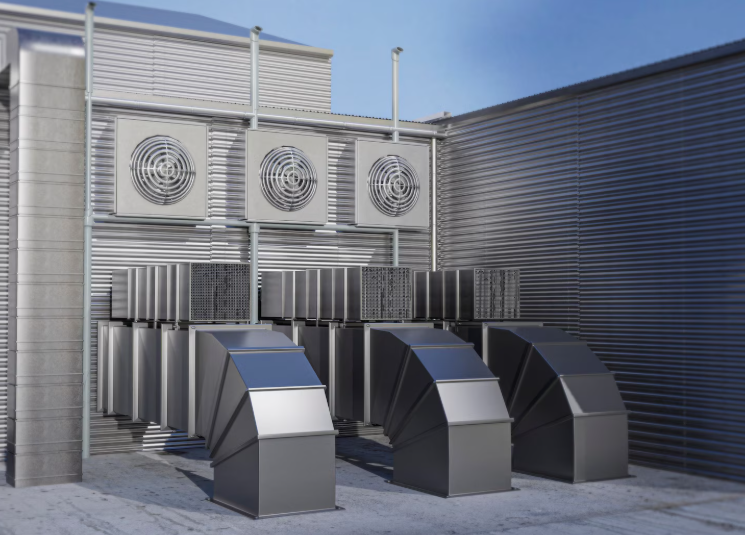
Ventilation can occur naturally (through windows, doors, vents) or mechanically (using fans, exhaust systems, HVAC units).
🔥 What Is Heat Control?
Heat control refers to the management of temperature and heat flow within a space. It ensures that indoor environments remain within safe and comfortable temperature limits.
Heat control systems aim to:
- Prevent excessive heat buildup
- Maintain thermal comfort
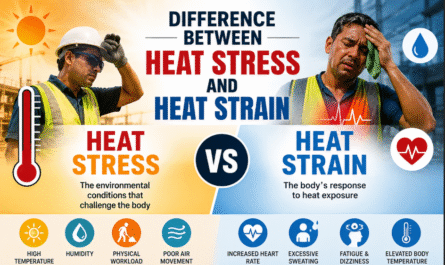
- Protect workers from heat stress
- Improve equipment performance and lifespan
In industrial settings, heat control is often a critical safety requirement, not just a comfort feature.
🎯 Purpose of Ventilation
Let’s explore the key objectives of ventilation and why it plays such a vital role in any enclosed space.
1️⃣ Supplying Fresh Oxygen
Humans need oxygen to function. In closed or crowded spaces, oxygen levels can drop quickly while carbon dioxide levels rise.
Proper ventilation:
- Replenishes oxygen supply
- Prevents drowsiness and fatigue
- Keeps occupants alert and focused
Without enough fresh air, people may experience headaches, dizziness, and reduced concentration.
2️⃣ Removing Airborne Contaminants
Indoor air often contains pollutants such as:
- Dust and fibers
- Chemical vapors
- Smoke and fumes
- Bacteria and viruses
Ventilation systems dilute and remove these contaminants, reducing the risk of respiratory issues, allergies, and long-term health problems.
3️⃣ Controlling Odors and Stale Air
Stale air isn’t just unpleasant—it’s a sign of poor air circulation. Ventilation helps:
- Eliminate unpleasant odors
- Maintain freshness
- Improve overall comfort
This is especially important in kitchens, washrooms, factories, and public buildings.
4️⃣ Regulating Temperature and Humidity
Ventilation helps manage indoor heat by:
- Removing excess hot air
- Reducing humidity
- Supporting cooling systems
High humidity can lead to mold growth, equipment corrosion, and discomfort—proper ventilation keeps these issues in check.
🎯 Purpose of Heat Control
Heat control complements ventilation by ensuring that indoor temperatures remain safe and comfortable.
1️⃣ Ensuring Thermal Comfort
Thermal comfort isn’t a luxury—it directly affects how people feel and perform.
Effective heat control:
- Prevents overheating
- Reduces sweating and discomfort
- Keeps occupants mentally alert
Comfortable temperatures boost morale and productivity, especially in work environments.
2️⃣ Preventing Heat Stress and Heat-Related Illness
In hot environments, especially factories and workshops, uncontrolled heat can cause:
- Heat exhaustion
- Heat cramps
- Heat stroke
Heat control systems help protect workers by maintaining safe temperature levels and supporting body cooling mechanisms.
3️⃣ Protecting Machinery and Equipment
Excessive heat can damage machines, electrical panels, and sensitive instruments.
Heat control helps:
- Prevent overheating of equipment
- Reduce breakdowns and downtime
- Extend machinery lifespan
This directly translates into cost savings and operational efficiency.
4️⃣ Improving Fire Safety
High temperatures and heat buildup increase fire risks.
Proper heat control:
- Reduces ignition chances
- Controls heat accumulation
- Supports fire prevention strategies
This is particularly important in industrial and chemical environments.
⚙️ Types of Ventilation Systems
Understanding the types of ventilation helps in choosing the right solution.
🔹 Natural Ventilation
Uses natural forces like wind and temperature differences.
Examples:
- Windows
- Louvers
- Roof vents
✔ Low cost
✔ Energy-efficient
❌ Weather-dependent
❌ Limited control
🔹 Mechanical Ventilation
Uses powered systems such as fans and blowers.
Examples:
- Exhaust fans
- Supply fans
- HVAC systems
✔ Controlled airflow
✔ Effective in large spaces
❌ Higher energy cost
❌ Requires maintenance
🔹 Local Exhaust Ventilation (LEV)
Targets contaminants at the source.
Common in:
- Welding shops
- Chemical labs
- Foundries
✔ Highly effective
✔ Improves worker safety
❌ Requires proper design
🔥 Common Heat Control Methods
🔸 Insulation
Prevents heat transfer through walls, roofs, and ducts.
Benefits:
- Reduces heat gain
- Improves energy efficiency
🔸 Air Conditioning and Cooling Systems
Used to control temperature and humidity.
Examples:
- Split ACs
- Central HVAC systems
- Evaporative coolers
🔸 Heat Shields and Barriers
Used in industrial areas near furnaces or boilers to protect workers from radiant heat.
🔸 Process Modification
Changing work methods to reduce heat generation—an often overlooked but highly effective approach.
📊 Effects of Proper Ventilation and Heat Control
✅ Improved Health and Well-Being
- Fewer respiratory problems
- Reduced heat-related illnesses
- Better mental clarity
Healthy environments lead to healthier people.
✅ Increased Productivity
Comfortable workers:
- Make fewer mistakes
- Work more efficiently
- Take fewer sick days
Studies consistently show that good air quality boosts performance.
✅ Enhanced Safety
Proper ventilation removes hazardous fumes, while heat control prevents thermal injuries—together they create safer workplaces.
✅ Energy Efficiency and Cost Savings
Modern ventilation and heat control systems:
- Optimize energy use
- Reduce utility costs
- Support sustainable practices
⚠️ Effects of Poor Ventilation and Heat Control
Ignoring these systems can lead to serious consequences:
- Sick Building Syndrome (SBS)
- Heat exhaustion and fatigue
- Increased accident rates
- Equipment failures
- Legal and regulatory violations
In short—poor air and heat management costs far more than it saves.
🏭 Importance in Industrial and Commercial Settings
In factories, ventilation and heat control are often governed by safety laws and standards.
They help:
- Comply with occupational safety regulations
- Protect workers in hazardous processes
- Maintain consistent production quality
For industries, these systems are not optional—they are essential.
🌍 Environmental and Sustainability Benefits
Modern systems focus on:
- Energy recovery ventilation
- Smart temperature control
- Reduced carbon footprint
Efficient ventilation and heat control contribute to greener, more sustainable buildings.
📝 Conclusion: Breathing Life Into Buildings
Ventilation and heat control may work quietly in the background, but their impact is loud and clear. They influence how we feel, how we work, and how safely we live.
Whether it’s a home, office, factory, or public building, proper ventilation and heat control are foundational to health, safety, productivity, and sustainability.
If there’s one takeaway from this article, it’s this:
👉 Clean air and balanced temperatures aren’t optional comforts—they’re basic human necessities.
🔁 Readers also enjoyed these blog posts:
- Safety Management’s Role: The Unsung Hero Behind Every Successful Organization
- Safety Management and Its Responsibilities: Protecting People, Preventing Hazards, and Promoting a Culture of Care
- Benchmarking for Safety Performance: A Key to Continuous Improvement
“Start Your Website Journey Today – Exclusive Hostinger Discounts!”

Turn Any Idea into Viral,
Jaw-Dropping AI Videos in Seconds!