 by
by Introduction
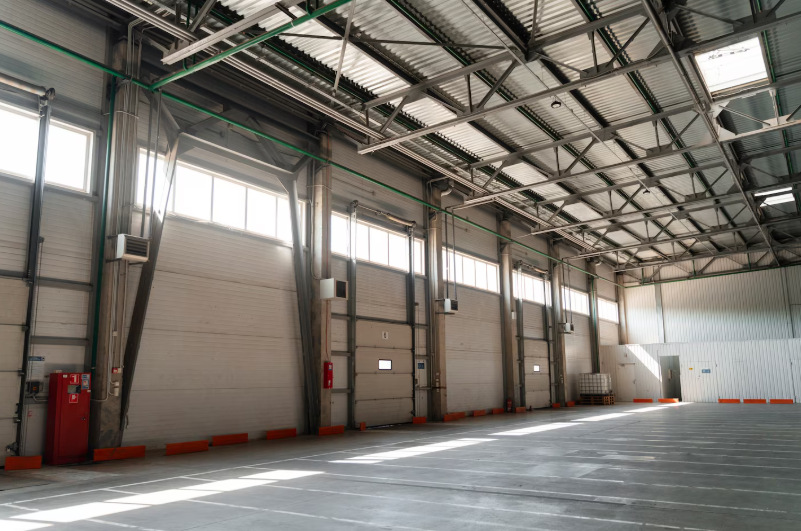
When we think of modern factories, our minds often go to machinery, production lines, and workers wearing personal protective equipment. Rarely do we pause to consider the role of natural light in shaping a safe, productive, and energy-efficient workplace. Yet, daylighting, or the strategic use of natural light in buildings, is one of the most underrated design factors in industrial construction.
Proper daylighting isn’t just about aesthetics. It influences employee well-being, energy consumption, accident prevention, and overall efficiency. In this article, we’ll explore the essential design factors for daylighting of factory buildings, why it matters, and how to implement it effectively.
🌞 What is Daylighting?
Daylighting is the practice of maximizing natural sunlight in building interiors through windows, skylights, light shelves, and other architectural features. Unlike artificial lighting, daylighting is dynamic, changing with time, season, and weather, which makes it both a challenge and an opportunity for designers.
The goal of daylighting is not just to illuminate, but to create uniform, comfortable, and safe lighting conditions that support work processes without causing glare or excessive heat gain.
⚠️ Why Daylighting is Critical in Factory Buildings
Factories are often large, open spaces with multiple work zones. Poorly planned lighting can lead to eye strain, accidents, and reduced productivity. Let’s see why daylighting is important:
- Enhances Safety
- Properly lit areas reduce slips, trips, and falls.
- Workers can better see machinery, tools, and hazards, preventing mishaps.
- Boosts Productivity and Morale
- Natural light has been proven to improve alertness and reduce fatigue.
- Workers in naturally lit environments are often more satisfied and motivated.
- Energy Efficiency
- Reduces dependency on artificial lighting during daytime hours.
- Lowers electricity bills and carbon footprint.
- Improves Health and Comfort
- Exposure to daylight regulates circadian rhythms, improving sleep patterns and mental health.
- Reduces eye strain and headaches caused by poor artificial lighting.
🏭 Key Design Factors for Daylighting Factory Buildings
Successful daylighting is a combination of architecture, engineering, and human factors. Here are the most important design considerations:
1. Orientation of the Building
The orientation of a factory significantly influences daylight penetration:
- North-facing façades: Provide consistent, soft light throughout the day without harsh glare. Ideal for areas requiring uniform lighting.
- South-facing façades: Receive high-intensity sunlight. Suitable for spaces where brightness is essential, but requires glare control.
- East-facing façades: Morning light, intense but short duration.
- West-facing façades: Afternoon light, which can be intense and cause heat gain.
Tip: Use architectural shading devices like overhangs or louvers to control sunlight from the east and west.
2. Window-to-Floor Ratio (WFR)
The Window-to-Floor Ratio determines how much natural light enters the space:
- Low WFR (<10%): Insufficient daylight; increases reliance on artificial lighting.
- Optimal WFR (20–30%): Balances daylight with thermal comfort.
- High WFR (>40%): Risk of glare, heat gain, and energy inefficiency.
Best Practice: Combine vertical windows with skylights for deep penetration of daylight without creating hotspots.
3. Placement and Size of Windows
Window placement impacts light distribution:
- High-level windows: Illuminate deeper parts of the factory and reduce glare.
- Clerestory windows: Ideal for large assembly halls; they allow light to penetrate without direct exposure to workers’ eyes.
- Side windows: Useful for perimeter zones but may require light shelves or diffusers for even distribution.
4. Skylights and Roof Design
Skylights are invaluable in large, single-story industrial buildings:
- Sawtooth roofs: Incorporate vertical or slanted skylights facing north for soft, uniform daylight.
- Prismatic skylights: Diffuse light, reducing shadows and glare.
- Glazing materials: Use low-iron glass or polycarbonate panels to maximize light transmission.
Note: Skylights must be designed to minimize heat gain, prevent leaks, and ensure structural stability.
5. Use of Light Shelves and Reflective Surfaces
Light shelves are horizontal surfaces placed above eye level that reflect daylight deeper into the factory:
- Exterior light shelves reflect sunlight onto the ceiling, diffusing light evenly.
- Interior light shelves bounce light onto walls and ceilings, reducing glare.
- Reflective paints and surfaces enhance light distribution in darker zones.
6. Glare Control
Excessive glare can cause discomfort, reduce concentration, and increase the risk of accidents. Key strategies:
- Shading devices: Louvers, blinds, or perforated screens.
- Fritted or diffused glass: Reduces intensity without blocking light.
- Angled skylights: Prevent direct sunlight from entering worker zones.
7. Uniformity of Light Distribution
Uniformity is crucial in factories to avoid shadows that hide hazards:
- Light uniformity ratio = minimum illumination ÷ average illumination
- Recommended ratio for factory floors: 0.5–0.7
- Avoid deep shadows under machines or racks by using diffusers or multiple light sources.
8. Task-Based Daylighting
Not all areas require the same intensity:
- Assembly lines and inspection areas: High intensity (500–1000 lux).
- Storage zones and corridors: Moderate intensity (150–300 lux).
- Offices and meeting rooms: Balanced, glare-free light (300–500 lux).
Combining daylighting with supplementary artificial lighting ensures consistent illumination when natural light varies.
9. Thermal Comfort and Energy Efficiency
Daylighting affects building temperature:
- Excessive solar gain increases cooling load.
- Use low-emissivity (Low-E) glass, shading devices, and skylight orientation to control heat.
- Consider light tubes or fiber-optic daylighting systems to channel sunlight without heat.
Tip: Integrate daylighting with HVAC design to maintain thermal comfort for workers.
10. Maintenance and Durability
Daylighting effectiveness can decline without proper maintenance:
- Clean skylights and windows regularly.
- Replace damaged glazing promptly.
- Check reflective surfaces and coatings for wear or dirt accumulation.
Maintenance is especially important in industrial environments where dust, grease, or chemical residues can reduce light transmission.
🌍 Regulatory and Industry Guidelines
Several standards guide daylighting in factories:
- IES Lighting Handbook: Recommends daylighting combined with artificial lighting for optimal visual comfort.
- Factories Act, 1948 (India): Requires sufficient lighting in workspaces, including daylight where possible.
- LEED Certification (Green Buildings): Encourages use of daylighting to reduce energy consumption.
- OSHA & ANSI Guidelines: Emphasize adequate illumination for safety and efficiency.
These regulations highlight that daylighting is not just a design choice—it’s a safety and compliance requirement.
🔧 Practical Tips for Effective Daylighting in Factories
- Perform a Daylight Analysis
- Use simulation software to predict daylight levels throughout the year.
- Adjust window placement, size, and shading accordingly.
- Combine Daylight with Artificial Lighting
- Install dimmable lights that respond to natural light intensity.
- Ensures consistent lighting, reduces energy waste, and maintains safety.
- Use Color and Surface Treatments
- Light-colored ceilings and walls reflect daylight deeper.
- Avoid dark machinery or partitions that absorb light unnecessarily.
- Educate Workers
- Make employees aware of glare-prone zones.
- Encourage use of personal glare shields or protective eyewear when needed.
- Monitor Performance
- Periodically measure lux levels and uniformity ratios.
- Adjust fixtures, shading, or cleaning schedules based on results.
🌟 Benefits of Proper Daylighting
Investing in daylighting pays off in multiple ways:
| Benefit | Description |
|---|---|
| Safety | Reduces accidents due to poor visibility and shadows. |
| Productivity | Workers are more alert, focused, and motivated. |
| Health | Reduces eye strain, fatigue, and improves mental well-being. |
| Energy Efficiency | Decreases reliance on artificial lighting, lowering electricity bills. |
| Sustainability | Supports green building standards and reduces carbon footprint. |
✍️ Conclusion
Daylighting is more than an architectural trend—it’s a critical factor in factory safety, productivity, and employee well-being. By carefully considering orientation, window placement, skylights, glare control, and light uniformity, factory designers and managers can create environments that are not only efficient but also healthier and more pleasant to work in.
For modern factories, daylighting should be integrated with artificial lighting, HVAC systems, and maintenance protocols to achieve optimal performance. After all, a well-lit factory is not just safer—it’s smarter, greener, and more productive.
So, if you are planning a new industrial building or retrofitting an existing one, investing in daylighting design is an investment in safety, efficiency, and human capital.
✅ Pro Tip: Conduct a daylight audit to identify areas with poor natural light. Combine solutions like skylights, clerestory windows, and reflective surfaces to enhance illumination without increasing energy costs.
🔁 Readers also enjoyed these blog posts:
- Safety Management’s Role: The Unsung Hero Behind Every Successful Organization
- Safety Management and Its Responsibilities: Protecting People, Preventing Hazards, and Promoting a Culture of Care
- Benchmarking for Safety Performance: A Key to Continuous Improvement
“Start Your Website Journey Today – Exclusive Hostinger Discounts!”

Turn Any Idea into Viral,
Jaw-Dropping AI Videos in Seconds!